Introduction
Cultural diversity is a fundamental aspect of society that enriches our lives with different perspectives, traditions and values. Integrating this diversity into daily learning is essential to foster intercultural understanding, empathy and collaboration in an increasingly globalized world. In this article, we will explore how we can effectively integrate cultural diversity into our daily lives, both in educational settings and in everyday contexts. We will discover the importance of this approach, the benefits it brings and the challenges we must overcome. In addition, we will provide practical advice, case studies and predictions on future trends in this field.
History and background
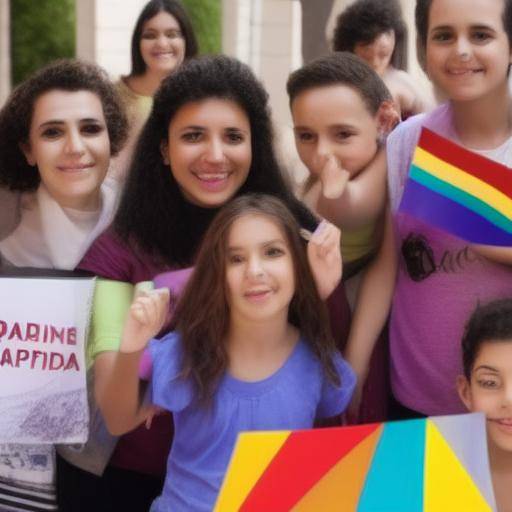
Cultural diversity has been a defining attribute of humanity since time immemorial. From ancient civilizations to the modern era, interactions between different cultures have shaped history, art, science and society in general. The evolution of cultural diversity has been driven by migration, trade, colonization and globalization, creating a multicolored tapestry of cultural identities.
In-depth analysis
The integration of cultural diversity in daily learning presents a number of significant benefits. However, it also poses challenges that need to be effectively addressed for positive results. Benefits include greater intercultural understanding, enriching education and enhancing creativity and innovation. However, challenges can be manifested in the form of language barriers, prejudices and lack of cultural sensitivity.
Comprehensive review
Exploring the practical application of the integration of cultural diversity in daily learning gives us a clearer perspective of its importance. Successful case studies and best practices allow us to understand how this integration can strengthen social cohesion, promote mutual respect and empower individuals. However, it is essential to address obstacles, such as resistance to change and lack of resources.
Comparative analysis
By comparing the integration of cultural diversity with daily learning, we can identify similarities and differences that help us to see the full picture. It is crucial to understand how these concepts intertwine and complement each other to enrich educational experience and everyday life.
Applicable practical advice and advice
To achieve a successful integration of cultural diversity into daily learning, it is important to follow proven and effective practices. Establishing an inclusive environment, fostering intercultural dialogue and using diverse educational resources are just some of the strategies that can make the difference.
Industry recommendations and expert views
The educational community and experts in cultural diversity play a crucial role in promoting best practices. His ideas and predictions on future trends in integrating cultural diversity into daily learning provide a valuable insight into the evolving landscape of intercultural education.
Case studies and applications in real life
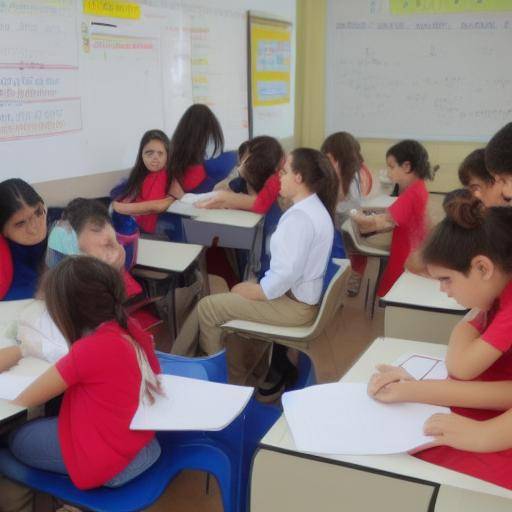
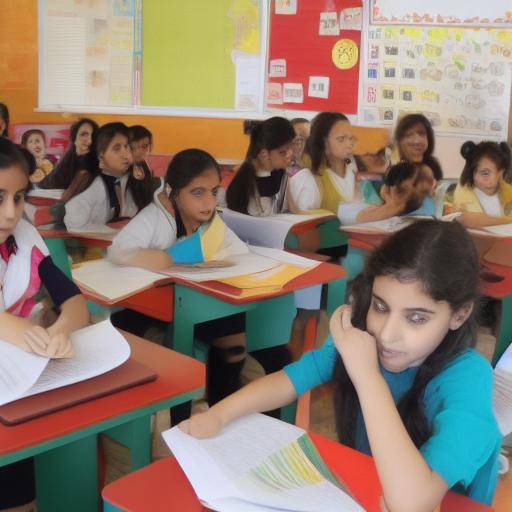
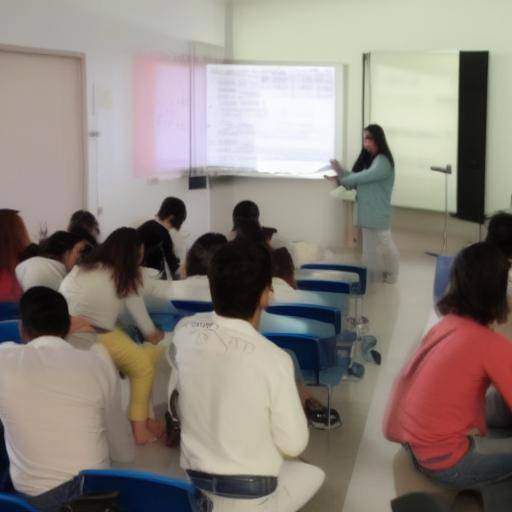
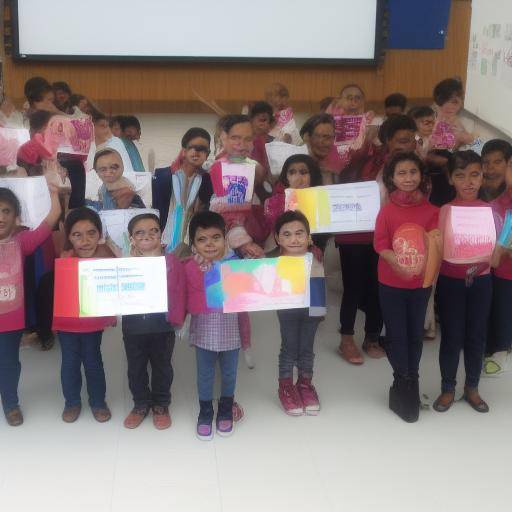
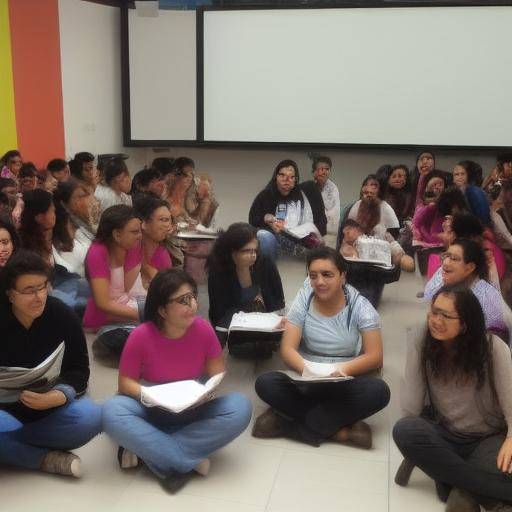
Case studies are a vital tool to understand the real impact of integrating cultural diversity into the classroom and beyond. These inspiring examples show us how cultural diversity can enrich learning and contribute to a more inclusive environment.
Future trends and predictions
The world is constantly changing, and it is crucial to foresee future trends in integrating cultural diversity into daily learning. Technology, global mobility and demographic changes are shaping the educational landscape significantly.
Conclusions
Successful integration of cultural diversity in daily learning is a valuable goal that requires commitment, collaboration and respect. By adopting an inclusive approach, we can enrich our lives and our society. By fostering intercultural understanding, promoting empathy and cultivating a sense of unity in diversity, we create a brighter and more equitable future for generations to come.
Frequently asked questions
1. Why is it important to integrate cultural diversity into everyday learning?
The integration of cultural diversity in daily learning is crucial to foster intercultural understanding, promote equity and create an inclusive environment that reflects the diversity of our society.
2. What challenges are presented when integrating cultural diversity into the classroom?
Some challenges include language barriers, lack of diverse educational resources and resistance to change. Overcoming these challenges requires firm commitment and effective strategies.
3. How can I integrate cultural diversity into my daily life outside the educational environment?
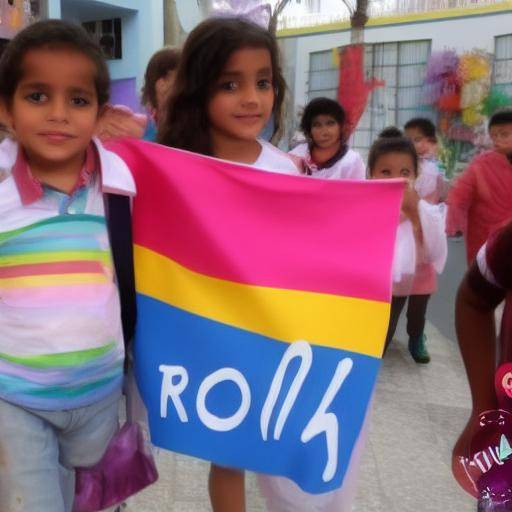
It can integrate cultural diversity by participating in intercultural community events, exploring different forms of art and culture, and seeking opportunities to learn about traditions and customs of other cultures.
4. What role do educators play in integrating cultural diversity into everyday learning?
Educators play a key role in creating an inclusive educational environment and in incorporating educational resources that reflect cultural diversity. Promoting intercultural dialogue and promoting understanding are key aspects of its work.
5. What is the impact of the integration of cultural diversity in daily learning in the development of students?
Successful integration of cultural diversity in daily learning can boost the development of intercultural skills, promote tolerance and respect, and prepare students to live and work in a globalized world.
6. What are future trends in integrating cultural diversity into daily learning?
Future trends include a greater focus on intercultural education, the development of diverse digital educational resources and the encouragement of educational programmes that promote intercultural awareness.
In short, the integration of cultural diversity in daily learning is an enriching process that nourishes the mind and soul. By embracing the wealth of cultural differences, we create a better, more inclusive and connected world.