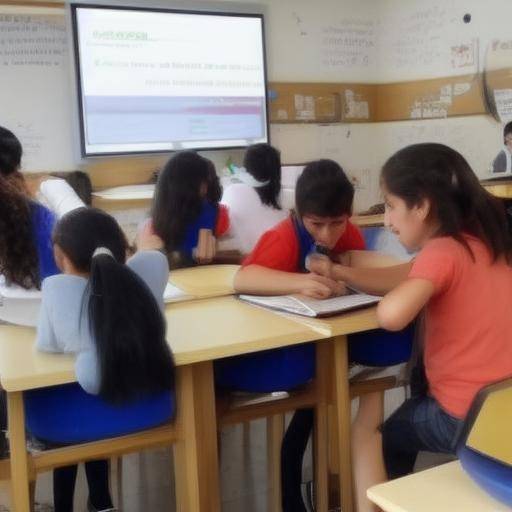
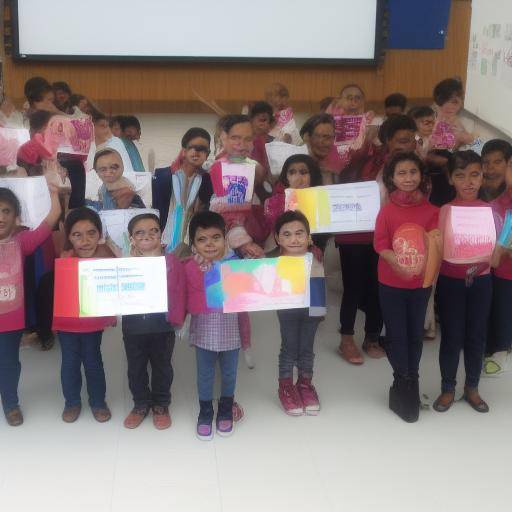
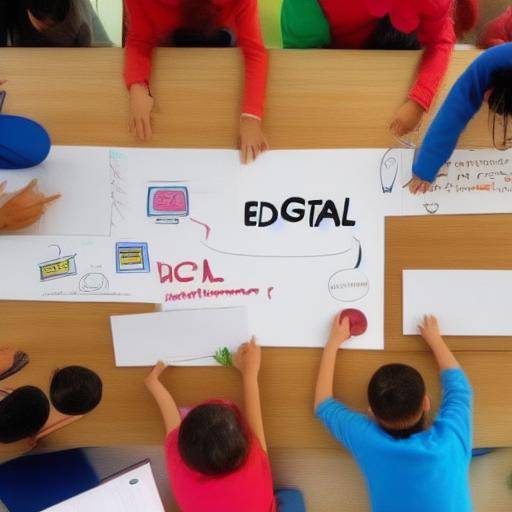
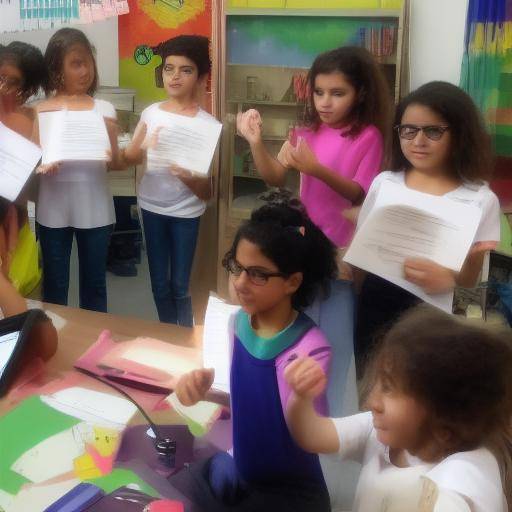
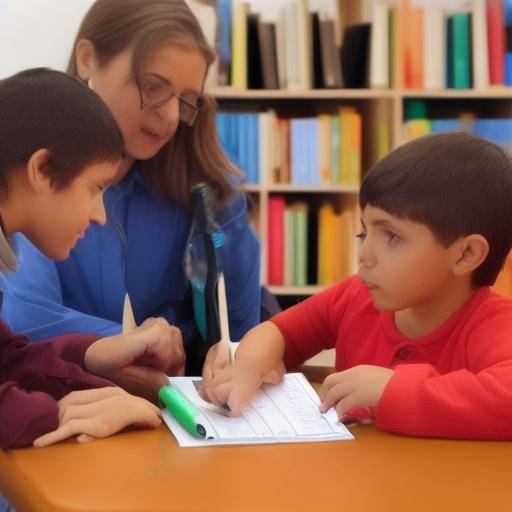
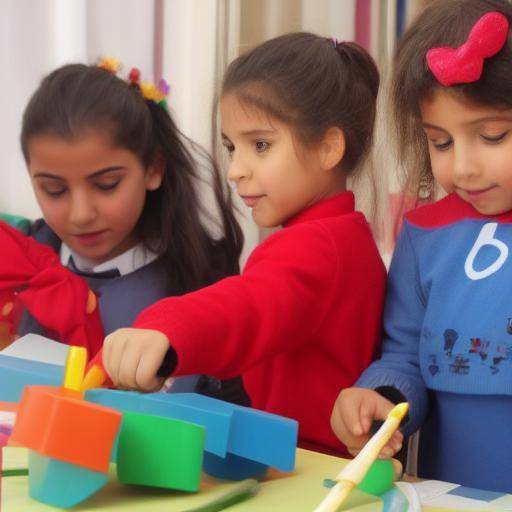
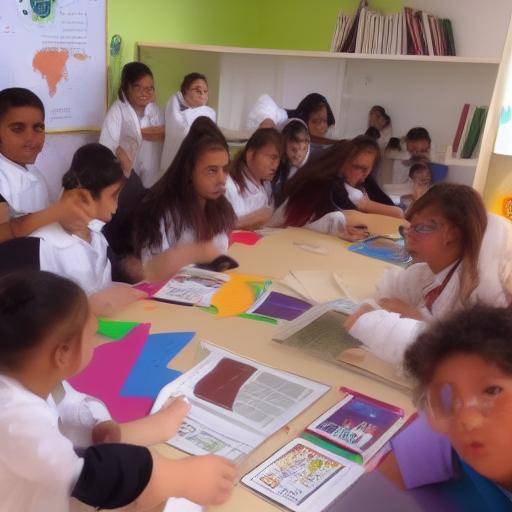
The educational world is constantly evolving, and the integration of collaborative activities into the curriculum is essential to foster the integral development of students. In this article, we will explore the importance of integrating collaborative activities into the curriculum, the benefits it provides to students and the process to implement them effectively. In addition, we will address current trends, provide practical advice and implementation strategies, and provide relevant information on the subject.
Introduction
The integration of collaborative activities into the curriculum is a crucial aspect for the academic and social development of students. These activities encourage active participation, teamwork, critical thinking and troubleshooting, key skills for success in the twenty-first century. By effectively integrating them, educators can enrich the learning experience of students, preparing them to meet the challenges of the real world.
History and Background
Collaborative activities in the educational field have their roots in the theories of social and constructivist learning. During the 20th century, prominent theorists such as Lev Vygotsky and John Dewey presented the importance of learning through social interaction and peer collaboration. These ideas laid the foundation for the integration of collaborative activities into the curriculum.
Over the decades, the focus on collaborative activities has evolved, ranging from projects in small groups to large-scale interdisciplinary initiatives. The implementation of these activities has been driven by empirical evidence that supports their benefits in the cognitive, socio-emotional and academic development of students.
Deep analysis
Benefits of Integrating collaborative activities
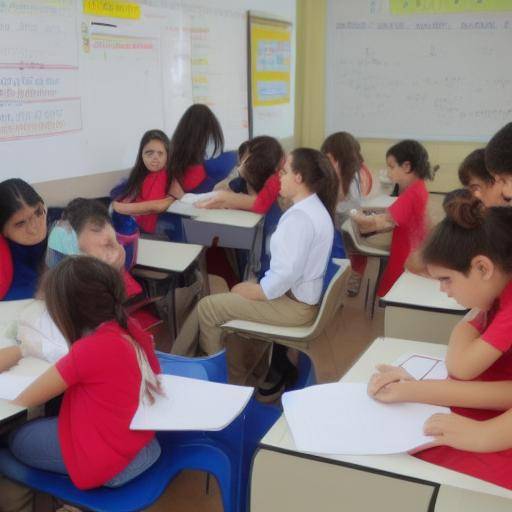
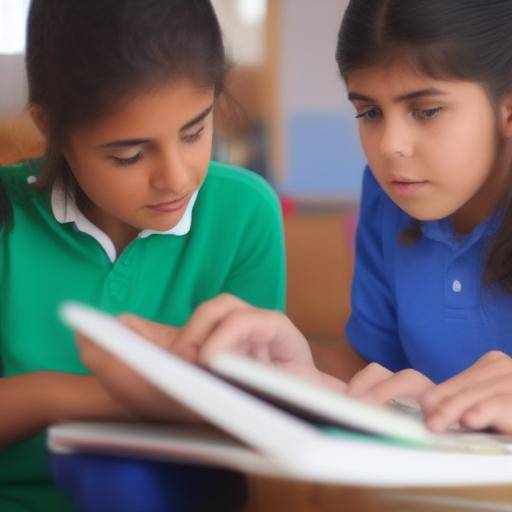
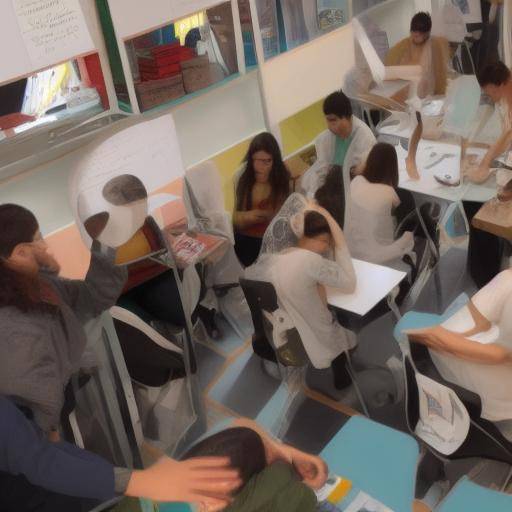
The integration of collaborative activities into the curriculum offers a wide range of benefits. These activities promote the development of social skills, such as effective communication and conflict resolution. They also allow students to share knowledge, learn from different perspectives and strengthen their self-esteem by assessing their contributions to teamwork.
Current Challenges and Trends
Although collaborative activities are widely recognized for their advantages, they face challenges in their implementation. The evaluation of individual performance, the management of diversity of skills and equity in participation are aspects that educators must address when integrating these activities. Currently, technological platforms and innovative methodologies offer opportunities to overcome these challenges and enrich collaborative activities in the curriculum.
Comprehensive review
Applications and Best Practices
Effective implementation of collaborative activities requires careful and strategic planning. Examples of successful practices include the use of online tools for collaboration, the allocation of clear roles and responsibilities in teams and the integration of training evaluation to support continuous learning.
Industry Perspectives and Expert Reviews
Educational experts emphasize the importance of integrating collaborative activities into the curriculum to prepare students for an increasingly interconnected and team-oriented labour market. They also emphasize the need to train educators in effective strategies to facilitate these activities.
Case Studies and Practical Applications
Through case studies, we can see how various educational institutions have successfully integrated collaborative activities into their curriculum, positively impacting both on academic performance and on student skills development. These cases provide a detailed picture of applied strategies, results achieved and lessons learned.
Future Trends and Predictions
The future of the integration of collaborative activities into the curriculum is marked by technological advances and changes in social dynamics. Digital tools are expected to continue to play a key role in fostering collaboration among students, regardless of their geographical location. Further integration of interdisciplinary approaches that promote the resolution of complex problems through teamwork is also envisaged.
Conclusions and FAQs
Conclusions
The integration of collaborative activities into the curriculum is a fundamental pillar for the integral development of students. In fostering collaboration, future professionals are prepared to face the challenges of the working and social world with trust and solid skills.
Frequently asked questions
1. How can I design collaborative activities that adapt to the individual needs of my students?
The key is in differentiation. In designing activities, consider the different skills, learning styles and competition levels of your students, and offer opportunities for your active participation.
2. What technology tools are useful to facilitate collaboration among students?
Learning management platforms, online collaborative work applications and communication tools are valuable to support student collaboration, regardless of their location.
3. How can I evaluate the performance of students in collaborative activities in a fair and equitable manner?
Training evaluation and clear criteria for teamwork assessment are strategies to ensure fair and fair evaluation.
4. What are the most common challenges in integrating collaborative activities into the curriculum?
Challenges often include conflict management in teams, ensuring equitable participation, and assessing individual performance in group activities.
5. How can I encourage the motivation and commitment of students in collaborative activities?
Providing meaningful contexts, promoting autonomy and accountability in teamwork, and recognizing individual and collective achievements are effective strategies to promote motivation and commitment.
6. What is the long-term impact of the integration of collaborative activities into the curriculum?
In the long term, students who have participated in collaborative activities are expected to demonstrate leadership skills, effective communication, problem solving and adaptability in their professional and personal lives.
Conclusion
The integration of collaborative activities into the curriculum is essential to prepare students for the challenges of the twenty-first century. It provides a solid basis for the development of social, cognitive and emotional skills, resulting in individuals prepared to contribute significantly to society. By strategically implementing these activities, educators can make a difference in the educational experience of their students, providing them with the tools necessary to stand out in an increasingly collaborative and globalized world.