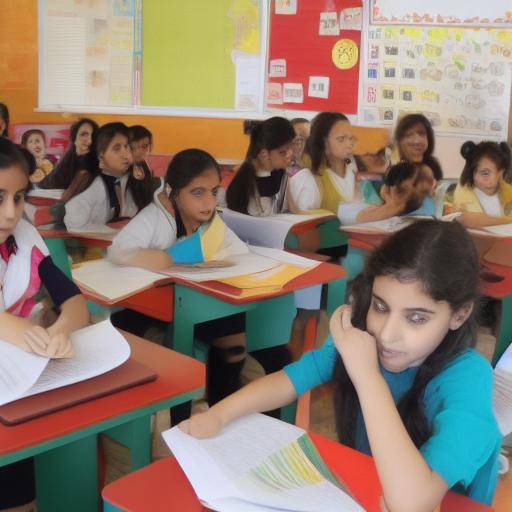
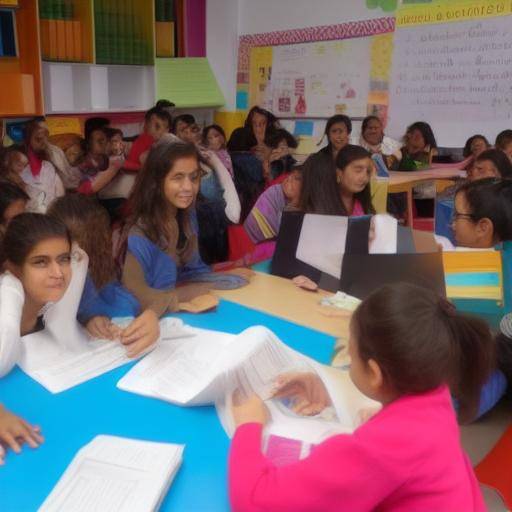
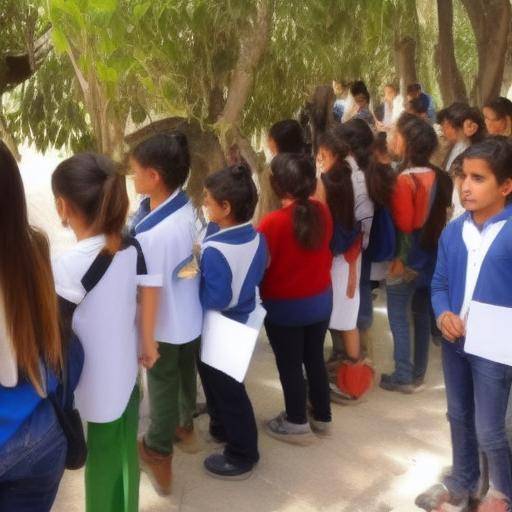
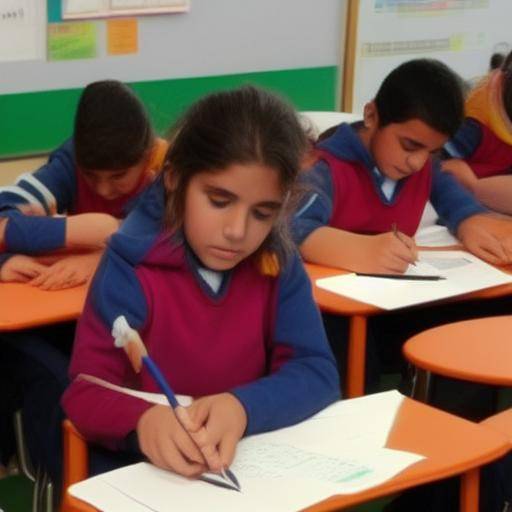
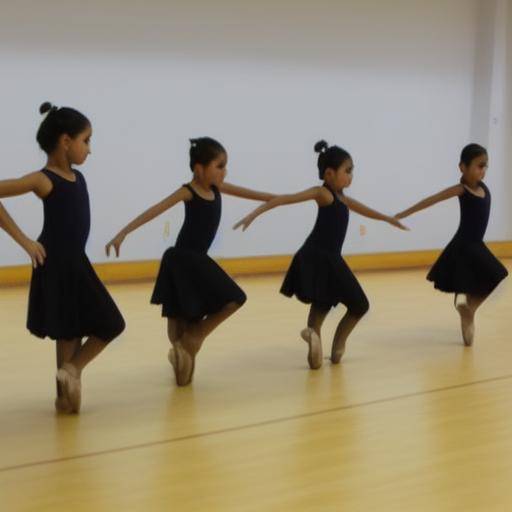
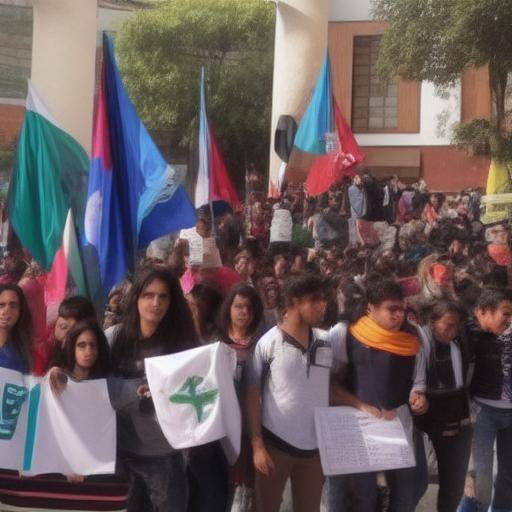
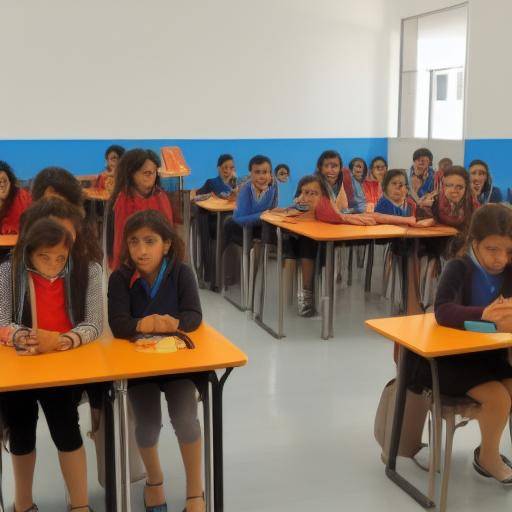
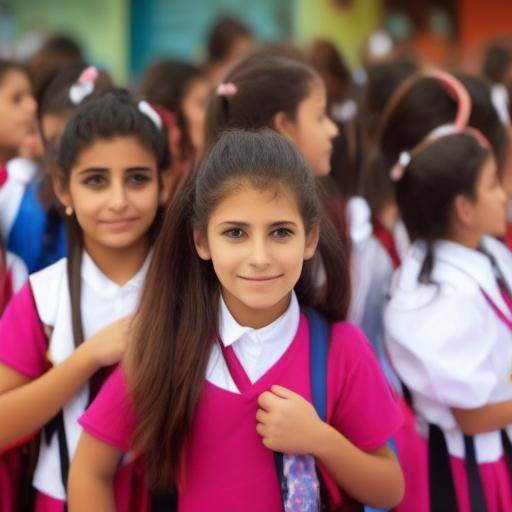
In today ' s society, education has the important mission of preparing future generations to face a diverse and globalized world. The integration of culture into the school curriculum is a fundamental aspect for the development of inclusive education, which recognizes and values cultural diversity, promotes respect and intercultural understanding, and fosters the development of skills for peaceful coexistence.
In this article, we will explore in depth the integration of culture into the school curriculum, its importance, benefits, challenges, current trends, best practices, comparisons with other educational approaches, practical advice, expert opinions, case studies and future predictions.
Introduction
In the twenty-first century, the integration of culture into the educational curriculum is a topic of great relevance. Globalization, migratory movements and intercultural interconnection make it crucial for educational systems to incorporate strategies to promote respect for and appreciation of cultural diversity.
How to effectively address this integration? What are the challenges and benefits of this integration? In this article, these and other relevant issues will be addressed.
History and Background
The integration of culture into the school curriculum is rooted in the need to recognize cultural diversity and promote equity in education. Historically, various pedagogical flows have advocated the inclusion of culture as a fundamental part of educational development.
Origin and Evolution
Throughout history, education has been influenced by different philosophical trends and social movements that have advocated the inclusion of culture in the educational process. From popular education movements to intercultural approaches, ideas and practices have been developed to recognize and value cultural diversity.
During the most recent years, there has been a significant impetus for the integration of culture into the school curriculum, in response to the growing diversity of student populations and the need to promote intercultural inclusion and respect.
Significant developments
In different parts of the world, educational programmes and policies have been implemented to promote the integration of culture into the school curriculum. These developments have included the creation of specific subjects focused on cultural diversity, the adaptation of educational materials to reflect cultural plurality, and teacher training in intercultural approaches.
Deep analysis
The integration of culture into the school curriculum points to a number of benefits, although it also presents significant challenges that require attention.
Benefits
- Promotion of DiversityThe inclusion of culture in the school curriculum promotes respect for and appreciation of cultural diversity among students, which helps to build more inclusive and equitable societies.
- Development of Intercultural Abilities: By interacting with different cultural expressions, students develop skills for intercultural communication, teamwork and conflict resolution, skills that are essential in a globalized world.
- Identity construction: The integration of culture allows students to assert their cultural identity, which contributes to their emotional well-being and the strengthening of their self-esteem.
Challenges
- Resistance to Change: In some contexts, the integration of culture into the school curriculum can find resistance due to entrenched prejudices and traditional educational paradigms.
- Teacher training: Teachers can face challenges in the effective implementation of intercultural approaches due to the need to develop specific competencies in this area.
- Equity and Access: Ensuring that all students have access to education that values and recognizes their cultural diversity can be a challenge in environments with limited resources.
Comprehensive review
Exploring practical applications, case studies and best practices in integrating culture into the school curriculum is critical to understanding its impact.
Applications and Case Studies
Success Experiences
Numerous examples can be found worldwide of educational institutions that have successfully implemented cultural integration programmes in the school curriculum. These cases highlight the importance of teacher training, the commitment of the educational community and the design of inclusive teaching materials.
Challenges in Different Contexts
Analyzing cases where the integration of culture into the school curriculum has faced specific challenges, such as lack of resources, cultural resistance or political opposition, provides a more comprehensive understanding of obstacles and possible solutions.
Best Practices and Future Perspectives
Expert consultation and review of current research can provide an overview of best practices in the implementation of intercultural approaches, as well as a vision for the future on possible progress and challenges in this area.
Comparative analysis
To compare the integration of culture in the school curriculum with other educational approaches allows to identify similarities, differences and possible synergies that enrich the discussion.
Traditional Educational Approaches
Contrarying conventional education with approaches focused on the integration of culture highlights the importance of cultural diversity and its implications for educational quality.
International Educational Models
Examineing educational models from various parts of the world allows identifying innovative practices and adapting them to local contexts, thus enriching strategies for integrating culture into the school curriculum.
Practical Tips and Accessible Recommendations
Providing practical advice and actionable recommendations gives educators, educational policymakers and community members concrete tools for the successful implementation of intercultural approaches.
Strategies for Successful Integration
Providing proven strategies for the successful inclusion of culture in the school curriculum is essential to empower education professionals and decision makers.
Educational resources and Educational materials
Recommending resources and educational materials that reflect cultural diversity and promote intercultural respect enhances the accessibility and effectiveness of the implementation of intercultural approaches.
Perspectives and Views of Industry Experts
The collection and presentation of experts ' perspectives and ideas provides a valuable insight into the current and future state of integrating culture into the school curriculum.
Interviews and Expert Reviews
Interviewing leading academics, education professionals and educational leaders offers an authoritative perspective on integrating culture into the school curriculum.
Analysis of Industry Trends and Prognostics
Exploring current and future trends in integrating culture into the school curriculum provides key information on the expected development in this field.
Case Studies and Practical Applications
The inclusion of case studies shows how the integration of culture into the school curriculum results in tangible and tangible results in education.
Impact on the classroom
Analyzing specific cases in real educational environments demonstrates the effectiveness and challenges of integrating culture into the school curriculum.
Lessons Learned and Continuous Improvements
Analyzing the results obtained and lessons learned from actual cases provides valuable information for the continuous improvement of the implementation of intercultural approaches.
Future Trends and Predictions
Exploring emerging trends and future predictions related to the integration of culture into the school curriculum provides a insightful insight into the way forward in intercultural education.
Innovative Developments
Exploring emerging trends, such as the integration of technology to expand access to cultural resources and international collaboration in intercultural educational programmes, provides a vision of possible future developments.
Challenges and Opportunities
Analyzing potential challenges, such as managing cultural conflicts in diverse educational settings and adapting intercultural approaches to online education, provides a holistic understanding of opportunities and challenges to come.
Conclusions and FAQs (FAQs)
Conclusions
The integration of culture into the school curriculum is a fundamental aspect of 21st century education. By recognizing and assessing cultural diversity, an enriching educational environment is fostered that prepares students to be citizens of the world.
It is crucial that the integration of culture into the school curriculum become a priority in global educational systems. Only through an active commitment to cultural diversity, intercultural respect and the promotion of educational equity can a more inclusive and equitable society be built.
FAQS
1. Why is it important to integrate culture into the school curriculum?
The integration of culture into the school curriculum is crucial to foster intercultural respect, promote diversity and prepare students for a globalized world.
2. How can the integration of culture into the school curriculum benefit students?
The integration of culture into the school curriculum helps to develop intercultural skills, strengthens the cultural identity of students and promotes greater understanding and respect for diversity.
3. What are the common challenges in integrating culture into the school curriculum?
Challenges may include resistance to change, lack of resources, insufficient teacher training and the need to adapt educational materials to reflect cultural diversity.
4. What steps can schools take to successfully integrate culture into the school curriculum?
Teaching training, the design of inclusive educational materials, community collaboration and the creation of spaces for cultural expression are key steps for successful integration.
5. What is the role of parents and the community in integrating culture into the school curriculum?
Parents and the community can play a crucial role in supporting and enriching the educational experience of students, sharing their cultural traditions and promoting the appreciation of diversity.
6. What are future trends in integrating culture into the school curriculum?
Future trends can include greater integration of technology, collaborative international educational approaches and a greater focus on promoting educational equity through cultural diversity.
With the integration of culture into the school curriculum, education becomes a facilitator of intercultural respect, the assessment of diversity and the development of global citizens. This approach not only enriches the educational experience, but also contributes to the construction of more inclusive and equitable societies.