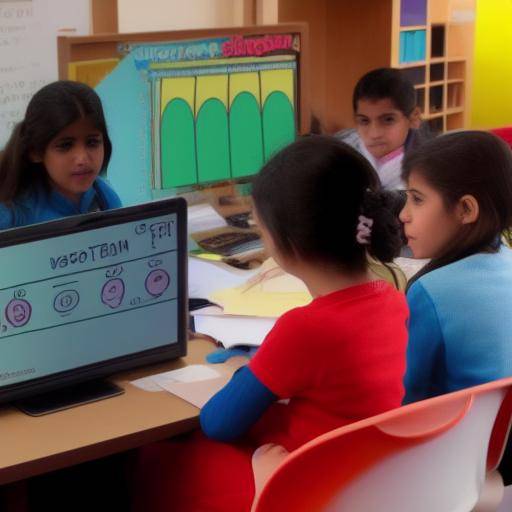
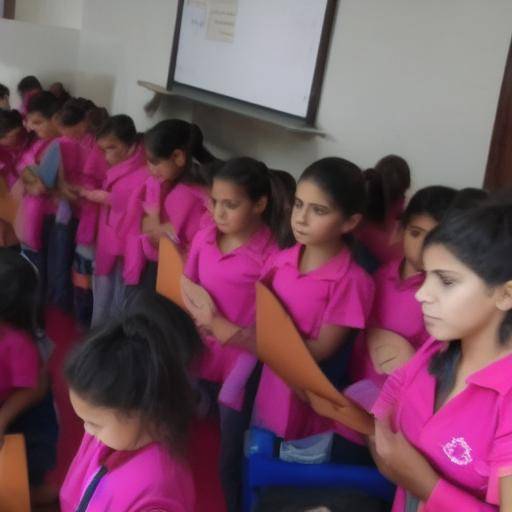
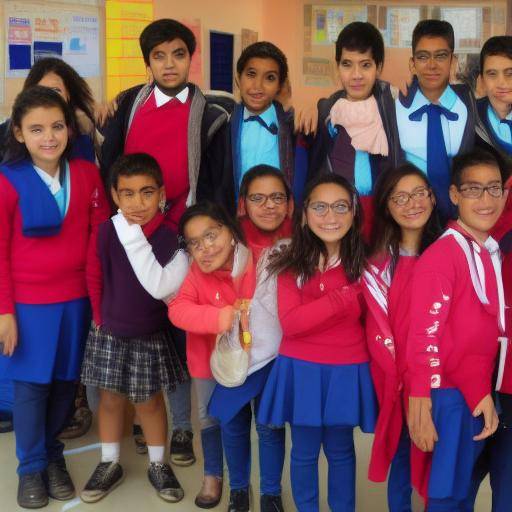
The teaching of the social sciences is crucial for the integral development of students, as it provides them with the necessary tools to understand the society in which they live. However, the integration of respect in this educational process is essential to foster values of tolerance, diversity and equity. In this article, we will explore how to integrate respect in the teaching of social sciences, its importance, challenges, and offer practical advice for educators and professionals in the educational field.
Integrating Respect in the Teaching of Social Sciences: A Fundamental Commitment
The integration of respect in the teaching of social sciences is a fundamental commitment that seeks to promote empathy, understanding and acceptance of cultural, social, economic and political diversity. In addressing issues such as history, geography, economy and politics, it is essential that educators foster an environment of mutual respect and openness to different views and realities.
The teaching of social sciences provides a unique platform to involve students in meaningful discussions on current and past issues that directly impact their lives. However, to ensure that this educational process is effective, it is essential to integrate respect as a central component in the curriculum and classroom interactions.
History and Background: The Evolution of the Teaching of Social Sciences and Respect
The teaching of social sciences has its roots in the need to understand the social, political and cultural processes that have shaped and continue to shape our society. Throughout history, the teaching of these disciplines has evolved to include a deeper approach to understanding diversity, respect for human rights and the promotion of social justice.
In the 1960s, social science education experienced a significant change with the inclusion of critical and reflective perspectives on issues such as discrimination, colonialism and inequality. This broader approach allowed students to analyze and question power structures and social norms, fostering critical reflection and sensitivity towards differences.
Depth Analysis: Current Benefits, Challenges and Trends
The integration of respect in the teaching of social sciences offers a number of significant benefits for students, including the development of intercultural skills, the reduction of intolerance and the promotion of equity. However, this approach also presents challenges, such as the need to address sensitive issues in a responsible and respectful manner, as well as the continued training of educators to foster an inclusive classroom environment.
At present, trends in the teaching of social sciences aim at greater integration of global perspectives and a teaching that reflects the diversity of society. Educators are adopting innovative strategies to address complex issues such as migration, environmental justice and international conflicts, providing students with a deeper understanding of global interconnections.
Comprehensive Review: Applications, Case Studies and Best Practices
The integration of respect in the teaching of social sciences is manifested through various practical applications and best practices that can enrich the educational experience. Case studies show how educators have addressed issues such as discrimination, human rights and cultural diversity effectively, fostering respect and mutual understanding among students.
Best practices include the promotion of respectful debates, the incorporation of diverse educational materials and ethics in social research. Educators can employ strategies such as project-based learning and participation in community activities to provide students with tangible opportunities to apply concepts of respect and understanding in real-world contexts.
Comparative Analysis: Integrating, Respecting and Teaching of Social Sciences
The integration of respect in the teaching of social sciences involves the intersection of various elements, including the promotion of intercultural dialogue, the promotion of empathy and critical reflection on ethical and social issues. This comparison highlights the importance of addressing respect as an essential component for achieving learning objectives in social sciences, as it provides students with the tools to understand and address contemporary challenges in an inclusive and reflective manner.
Practical Tips and Accessible Advice
In order to effectively integrate respect into the teaching of social sciences, educators can adopt a series of practical councils that promote a culture of respect and understanding in the classroom. Some strategies include the selection of diverse educational materials, the incorporation of global perspectives and the promotion of constructive discussions that promote mutual respect.
Industry Perspectives and Expert Reviews
The perspectives of industry and the opinions of experts highlight the importance of integrating respect into the teaching of social sciences as a means of cultivating global citizens with a strong sense of social responsibility. Experts emphasize the need to train educators to effectively address sensitive issues and promote open and respectful dialogue in the classroom.
Case Studies and Practical Applications
Case studies and practical applications demonstrate how the integration of respect in the teaching of social sciences has had a significant impact on the promotion of intercultural understanding, the reduction of discrimination and the formation of citizens committed to equity and social justice.
Future Trends and Predictions
The future landscape of social science education points to greater integration of global perspectives, a focus on intercultural education and a greater awareness of emerging social and political challenges. Educators are expected to play a key role in promoting respect and understanding in an increasingly diverse and globalized environment.
Conclusion
The integration of respect in the teaching of social sciences is essential to foster a more inclusive, equitable and compassionate society. By joining the concepts of "integrate", "respect" and "social science teaching", the door opens to new educational perspectives that prepare students to face the challenges of the contemporary world with mutual understanding and respect.
Frequently asked questions
Why is it important to integrate respect into social science teaching?
The integration of respect in the teaching of social sciences is important because it promotes the development of intercultural skills, promotes mutual understanding and reduces discrimination, laying the foundation for a more inclusive and equitable society.
How can educators foster respect in the classroom?
Educators can promote respect in the classroom by promoting respectful debates, including diverse educational materials and celebrating cultural diversity.
What are the challenges of integrating respect into social science teaching?
Some challenges include addressing sensitive issues responsibly, training educators to promote an inclusive environment and developing effective strategies to promote mutual respect among students.
What are some best practices to integrate respect into social science teaching?
Some best practices include the selection of diverse educational materials, the incorporation of global perspectives and the promotion of constructive discussions that promote mutual respect.
How can the integration of respect in the teaching of social sciences affect the development of students?
The integration of respect in the teaching of social sciences can positively influence the development of students by promoting empathy, intercultural understanding and the ability to critically analyze relevant social and political issues.
What role do educators play in promoting respect in social science teaching?
Educators play a key role in serving as models to follow, fostering an inclusive classroom environment and providing students with the tools necessary to understand and respect diversity.
In conclusion, the integration of respect in the teaching of social sciences is essential to promote the integral development of students and to prepare them to participate actively and responsibly in a diverse society. By adopting innovative approaches, fostering respectful discussions and celebrating diversity, educators can contribute significantly to the formation of citizens committed to equity, social justice and mutual respect.