Introduction
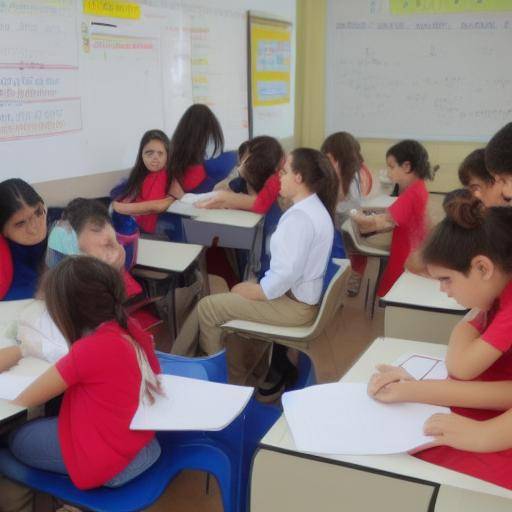
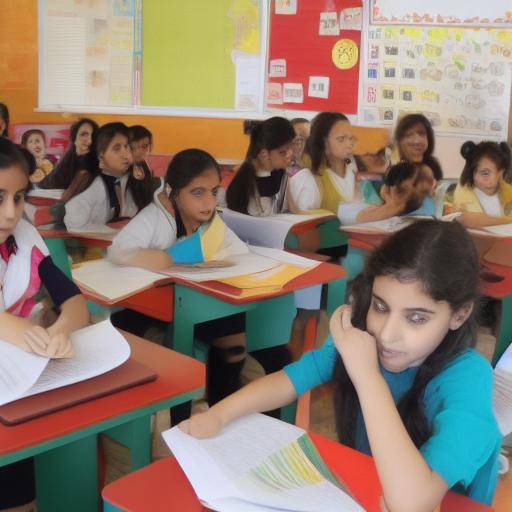
The integration of cultural diversity in mathematical education is a crucial aspect of promoting equity and inclusion in the educational field. As classrooms become increasingly diverse, it is essential to adapt educational approaches to reflect and celebrate this diversity. In this article, we will explore how the integration of cultural diversity in mathematical education can enrich educational experience, foster intercultural understanding and promote a more holistic approach to learning mathematics.
History and Background
Mathematical education has experienced significant evolution throughout history, from its roots in ancient civilizations to its current influence in modern society. The presence of mathematical concepts in various cultures can be traced, highlighting the wealth and diversity of approaches in different historical and geographical contexts.
Cultural diversity in mathematical education has gained greater relevance with the recognition of the mathematical contributions of non-Western cultures, thus challenging the traditional notion that mathematics is a purely Western discipline. This recognition has led to a paradigm shift in the teaching of mathematics, seeking to integrate diverse cultural perspectives to enrich learning and promote educational equity.
Deep analysis
The integration of cultural diversity in mathematical education entails a number of significant benefits, such as the promotion of a global mentality, the promotion of self-esteem in ethnic minority pupils and the creation of more significant connections between mathematical concepts and the daily lives of students.
However, there are also challenges in the effective implementation of inclusive approaches to mathematical education, ranging from lack of resources to institutional resistance. It is crucial to address these challenges to ensure that the integration of cultural diversity in mathematical education is successful and sustainable.
Comprehensive review
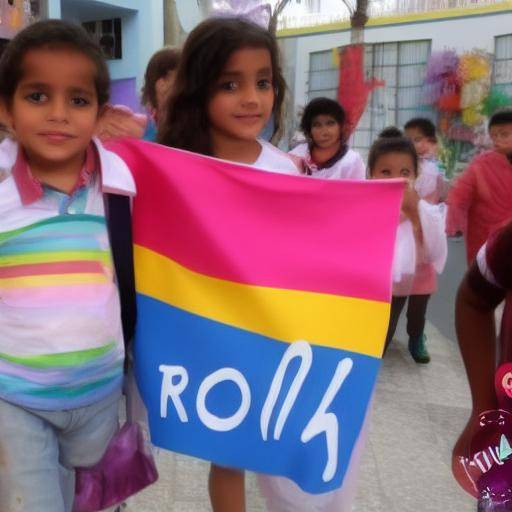
The integration of cultural diversity in mathematical education can be manifested through practices such as the inclusion of mathematical examples from different cultures, the celebration of traditional mathematical festivities of different communities and the exploration of mathematical contributions of historical figures from different backgrounds. These practices provide students with the opportunity to appreciate the universality of mathematics and its relevance in different cultural contexts.
Despite the obvious benefits, it is essential to adopt a balanced approach in analysing the implications of integrating cultural diversity into mathematical education. Understanding potential constraints and challenges allows us to develop effective strategies that overcome barriers and maximize the benefits of an inclusive educational approach.
Comparative analysis
The integration of cultural diversity in mathematical education shares similarities with other inclusive approaches to education, such as gender mainstreaming, disability and sexual orientation. Through comparison with these areas, effective strategies can be identified that promote equity and inclusion not only in mathematical education, but in the education system as a whole.
At the same time, it is important to recognize the unique particularities and challenges that arise when integrating cultural diversity into mathematical education, which allows us to develop specific approaches that address the diverse needs and perspectives of students.
Practical Tips and Accessible Recommendations
Integrating cultural diversity in mathematical education requires continued commitment and the implementation of specific practices that encourage inclusion and mutual respect. Some practical councils include teacher training in intercultural approaches, the development of educational materials that represent cultural diversity, the inclusion of mathematical examples relevant to different cultures, and the creation of learning environments that value and respect the diverse perspectives of students.
Industry Perspectives and Expert Reviews
Experts on mathematical education and cultural diversity offer an invaluable insight into the integration of these aspects into the educational curriculum. Their perspectives range from identifying specific challenges to the recommendation of effective strategies to promote inclusion and equity in mathematics teaching. In addition, recognizing trends and emerging perspectives in industry allows us to anticipate and adapt to future changes in mathematical education.
Case Studies and Practical Applications
Case studies offer concrete examples of how the integration of cultural diversity in mathematical education has had a positive impact on specific educational environments. By observing the practical applications of these approaches, we can learn from real experiences and draw valuable lessons that can be applied in various educational contexts.
Future Trends and Predictions
The future of integrating cultural diversity into mathematical education is marked by the continuing evolution of inclusive educational approaches, the development of innovative resources and tools, and the growing awareness of the importance of equity and diversity in the educational field. In anticipating emerging trends, we can prepare ourselves to effectively embrace the challenges and opportunities that arise in the future of mathematical education.
Conclusion
In short, the integration of cultural diversity in mathematical education is essential to promote more just and equitable education. Through the exploration of history, benefits, challenges, effective practices, and future visions of this integration, we can pave the way for inclusive and enriching mathematical education for all students, regardless of their cultural background.
FAQs
Why is it important to integrate cultural diversity into mathematical education?
The integration of cultural diversity in mathematical education is crucial because it allows students to be reflected in educational content, fosters intercultural understanding and promotes equity in learning mathematics.
What are the most common challenges in integrating cultural diversity into mathematical education?
Some common challenges include lack of adequate resources, institutional resistance, and the need for teacher training in intercultural approaches.
What effective practices can be implemented to integrate cultural diversity into mathematical education?
Effective practices include the incorporation of mathematical examples relevant to different cultures, the creation of educational materials representing cultural diversity, and the training of teachers in intercultural approaches.
How will the integration of cultural diversity in mathematical education influence the future of mathematics teaching?
The integration of cultural diversity in mathematical education is expected to lead to more inclusive, equity-centred educational approaches, and to enrich educational experience for all students.
What role do parents and the community play in integrating cultural diversity into mathematical education?
Parents and the community play a key role in supporting inclusive approaches in mathematical education, promoting intercultural understanding and contributing to a more diverse and enriching educational environment.
How can educators address the integration of cultural diversity in mathematical education within the classroom effectively?
Educators can address the integration of cultural diversity in mathematical education within the classroom effectively through the inclusion of mathematical examples relevant to different cultures, the promotion of appreciation and mutual respect, and the creation of a learning environment in which all perspectives are welcomed and appreciated.
Conclusion
The integration of cultural diversity in mathematical education is a key aspect for the development of an inclusive and equitable educational approach. By exploring the history, benefits, challenges, effective practices and future visions of this integration, we can advance towards a future in which all students feel valued and represented in learning mathematics.