Introduction
Initial education is a fundamental pillar in the development of children, as it lays the foundation for their future learning and skills. In a constantly changing world, it is crucial that initial education integrate adaptability, preparing children to face the challenges of the twenty-first century. In this article, we will explore the importance of integrating adaptability in initial education, its impact on the development of children, best practices to achieve it and future trends in this area.
History and Background
Initial education has evolved significantly throughout history, from traditional approaches to methodologies more focused on comprehensive child development. In past decades, the educational model used to be more oriented to the transmission of static knowledge. However, with the advancement of psychology and pedagogy, the importance of fostering adaptability and the ability to learn from the first years of life has been recognized.
The concept of adaptability in initial education has gained relevance in recent decades, as it has become aware of the need to prepare children to face a world characterized by accelerated changes and growing uncertainty. The integration of adaptability in initial education seeks to promote resilience, creativity, the ability to solve problems and the ability to face new and challenging situations.
Deep analysis
Benefits of Integrating Adaptability in Initial Education
The inclusion of adaptability in initial education offers many benefits for the integral development of children. It favors building an open mindset against change, promotes autonomy and decision-making, and enhances socio-emotional skills such as empathy and adaptation to different environments. These capacities are fundamental in the formation of competent individuals and prepared to meet the challenges of the current world.
Current Challenges and Trends in Adaptability Integration
Despite the obvious benefits, the integration of adaptability in initial education presents challenges, such as the updating of educational programmes, teacher training and the evaluation of results. However, efforts in this direction are becoming increasingly visible, with trends leading to active methodologies, interdisciplinary approaches and promoting the resolution of real problems from early ages.
Comprehensive review
Best Practices and Future Outlook
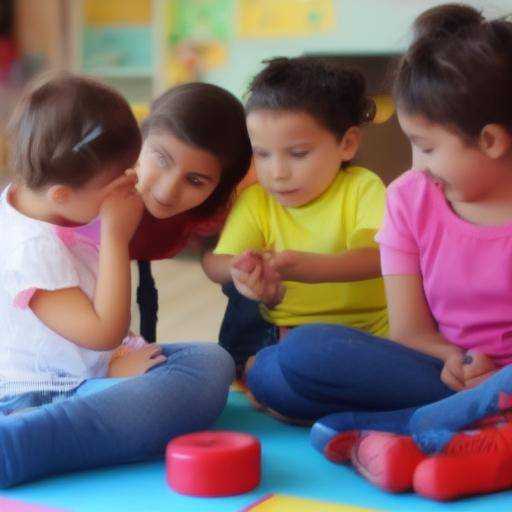
Best practices for integrating adaptability in initial education include encouraging curiosity, playing as a learning tool, building resilience, and promoting a safe and stimulating environment. In addition, there is a future in which initial education will focus on the development of soft skills, experimentation and active learning, preparing children to be adaptive in a changing environment.
Comparative analysis
The integration of adaptability in initial education is closely related to concepts such as cognitive flexibility, emotional intelligence and digital literacy. While each approach highlights particular aspects, it is clear that they share the premise of preparing children to successfully unfold in a dynamic and diverse world.
Practical Tips and Accessible Recommendations
Tips for Parents and Educators:
- Promote creative game and troubleshooting.
- Provide diverse experiences that expose children to the variability of the environment.
- Respond to children's emotions empathetically and encourage emotional self-regulation.
Industry Perspectives and Expert Reviews
Experts in the field of education emphasize that adaptability is an increasingly valued competition in the labour market, which underlines the importance of integrating it adaptability into initial education. They also highlight the need to promote educational environments that encourage exploration, error as a learning opportunity and peer collaboration as key elements for developing adaptive capacity in children from early age.
Case Studies and Practical Applications
Case Study: Innovative Primary School "Cre-Ser"
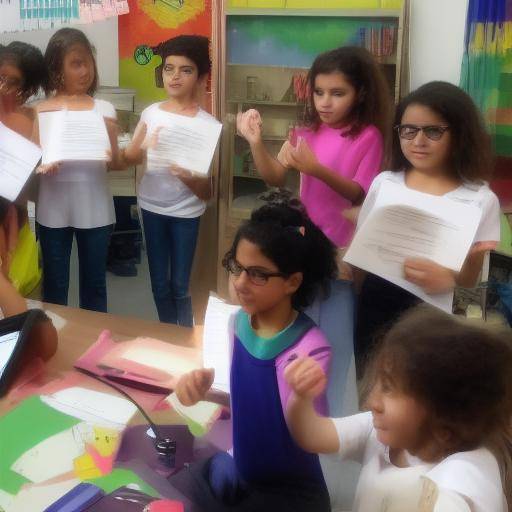
The "Cre-Ser" primary school has implemented an educational approach that emphasizes the development of adaptive skills from initial education. Through interdisciplinary projects, problem-based activities and technology integration, students not only acquire academic knowledge, but also develop the capacity to face challenges in a creative and flexible way.
Transverse Applications in Different Contexts
The integration of adaptability in initial education is not limited to the school environment. Cultural, community and family institutions also play a key role in building adaptive skills in children. For example, the promotion of reading, museum visits, participation in sports activities and the promotion of open dialogue in the family environment contribute significantly to the development of adaptability.
Future Trends and Predictions
Future trends in initial education point to a more holistic approach that promotes adaptability, critical thinking, creativity and collaboration skills, aligned with the demands of the knowledge society. In addition, greater emphasis is expected on the customization of learning, the integration of technology in a meaningful way, and greater appreciation of diversity and inclusion as key elements for developing adaptive capacity in children.
Conclusions
In short, the integration of adaptability in initial education is essential to preparing children for the changing world in which we live. Through innovative pedagogical practices, the promotion of stimulating educational environments, and the promotion of socio-emotional skills, it is possible to cultivate adaptability from an early age, providing children with the tools necessary to address future challenges with confidence and resilience.
Frequently asked questions
**1. How can adaptability be fostered at home?**Promoting independence, facilitating problem solving and supporting decision-making are key strategies to promote adaptability in the family environment.
**2. What is the role of the game in the development of adaptability?**The game promotes exploration, imagination and experimentation, essential elements to develop adaptability in children.
**3. How can educators evaluate adaptability in children?**Observation in diverse contexts, attention to social interaction and identification of problem solving are relevant indicators to assess adaptability in children.
**4. What is the relationship between adaptability and resilience?**Adaptability and resilience are closely related, as both skills enable individuals to face challenges, overcome adversities and adapt to new situations effectively.
**5. What is the importance of adaptability in the current working context?**In a working environment characterized by constant change, adaptability is a fundamental skill that allows professionals to face challenges, learn new skills and stay competitive in the labour market.
**6. How does adaptability influence the emotional well-being of children?**Adaptability contributes to emotional well-being by allowing children to handle stressful situations, making changes more easily and maintaining a positive attitude towards adversities.
In conclusion, the integration of adaptability in initial education is a key pillar in preparing future generations to address the challenges of a changing world. From home to the educational environment and society as a whole, promoting adaptability from an early age is crucial for the integral development of children and their ability to confront the future with confidence. While it presents challenges, the integration of adaptability in initial education offers countless long-term benefits, both individually and socially, preparing children to be agents of change and adaptation in a constantly evolving world.