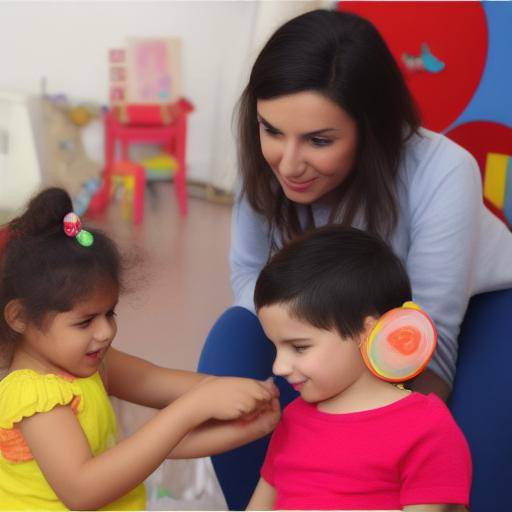
The upbringing of children is one of the most important responsibilities for parents and caregivers. The impact of upbringing on the integral development of children is significant, influencing their physical, emotional, social, and cognitive well-being. In this article, we will explore effective parenting strategies that promote the integral development of children, providing practical advice, in-depth analysis and valuable expert perspectives.
Introduction
Effective upbringing is essential to cultivate a safe and stimulating environment that fosters healthy development in children. From the way we approach discipline to the importance of establishing routines, parenting plays a crucial role in the emotional, cognitive and social development of children. In this article, we will explore breeding strategies that promote comprehensive development, providing a holistic approach from the perspective of experts in child development, psychology and education.
History and background
The upbringing has experienced significant evolution throughout history, influenced by cultural, social and psychological changes. From traditional practices to contemporary theories, the approach to integral development has evolved over time. In understanding the history and background of upbringing, we can appreciate the importance of current strategies in the broader context of child development.
In-depth analysis
We will explore the complexities of upbringing in modern society, addressing both the inherent challenges and opportunities to promote comprehensive development in children. From the impact of technology to the influence of socio-economic environments, we will analyze the factors that influence child-rearing and development.
Comprehensive review
We will undertake a detailed review of the practical applications of parenting strategies, highlighting best practices supported by scientific evidence and expertise in the field of child development. By comparing different approaches, we will identify the most effective strategies to promote comprehensive development in children.
Comparative analysis
We will compare and contrast parenting, child development and parenting councils to identify interconnections and synergies between these fundamental concepts. In highlighting similarities and differences, we will offer an integral vision of how these aspects are interwoven to shape the path of child development.
Practical advice and useful advice
We will provide a variety of practical advice and concrete actions that parents and caregivers can implement to foster comprehensive development in children. From setting healthy boundaries to fostering self-esteem, we will provide evidence-backed practical resources to support readers in their parenting journey.
Industry perceptions and expert opinions
We will gather ideas and opinions of experts in the field of child upbringing and development, exploring the implications and emerging trends that will shape the future of effective upbringing. By sharing authorised perspectives, we will provide readers with an informed view of current trends and challenges in the area of child upbringing and development.
Case studies and practical applications
We will analyze detailed case studies that exemplify the successful implementation of breeding strategies to promote comprehensive development in different contexts. By detailing practical applications and their results, readers will gain a deeper understanding of how these strategies can positively influence child development.
Future trends and predictions
We will explore emerging trends related to parenting, child development and parenting councils, offering predictions based on current data and expert opinions. In anticipating future challenges and opportunities, we will provide readers with an informed view of the path ahead in the field of child upbringing and development.
Conclusions
We will strengthen the key points highlighted in the article, summarizing the importance of effective upbringing for the integral development of children. We will inspire readers to implement informed parenting strategies and foster an environment that nourishes the holistic growth of children.
Frequently asked questions
What are some effective strategies to promote comprehensive development in children through parenting?
The importance of establishing consistent routines, fostering open communication, and providing a safe and affectionate environment cannot be underestimated. These strategies contribute directly to the physical, emotional, social and cognitive development of children, establishing solid foundations for healthy growth.
How can parents effectively address discipline while fostering comprehensive development in their children?
Positive discipline, which focuses on teaching children about the consequences of their actions rather than punitive punishment, is key. Creating an environment that fosters self-control, mutual respect and critical thinking helps children develop vital social and emotional skills.
How does participation in recreational and educational activities benefit the integral development of children?
Participation in activities that stimulate creativity, problem solving, and social interaction promotes the integral development of children. These activities provide opportunities to develop cognitive, emotional and motor skills, enriching their development at multiple levels.
How does nutrition affect the upbringing and comprehensive development of children?
Nutrition plays a key role in the integral development of children, as a balanced diet provides the nutrients essential to physical growth and brain development. Parents should encourage healthy eating habits to promote optimal comprehensive development.
What is the impact of the family environment on the integral development of children?
The family environment serves as the main context in which children develop relationships, learn values and establish behavior patterns. An affectionate, safe and stable family environment is essential for the healthy emotional and social development of children.
What role does emotional education play in the upbringing and integral development of children?
Emotional education teaches children to understand and regulate their emotions, promoting empathy, resilience and interpersonal skills. Integrating emotional education in parenting strengthens the emotional intelligence of children, which is crucial for healthy integral development.
Conclusion
Effective parenting plays a crucial role in the integral development of children, shaping their physical, emotional, social and cognitive well-being. By implementing evidence-supported and informed parenting strategies, parents and caregivers can create enriching environments that promote healthy and sustainable development in children.