Introduction
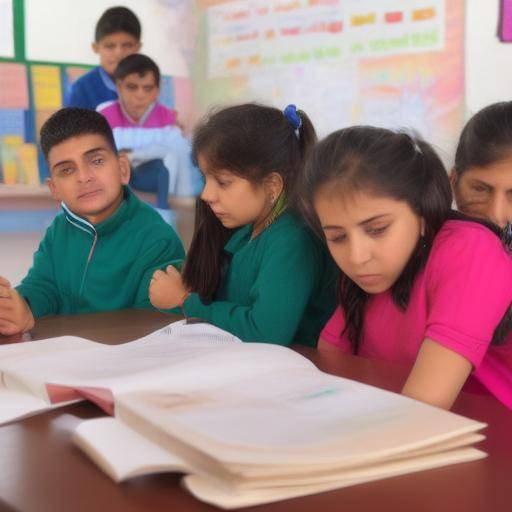
At present, the creation of an environment of respect in the school environment is crucial for the well-being and comprehensive development of students. In this article, we will explore effective strategies to promote respect, improve interpersonal relationships and promote a healthy environment in schools. From its historical relevance to future trends, this content offers an integral vision for parents, educators and the educational community in general.
History and Background
The concept of respect and the importance of a favourable environment in schools have deep roots in the history of education. Since ancient times, the principles of mutual respect and harmonious coexistence have been valued in learning environments. Over time, education has evolved to address not only academic knowledge, but also the integral formation of individuals.
Understanding the historical evolution of respect in schools allows us to appreciate the value of cultivating positive relationships between students, teachers and administrative staff. Over the years, there have been significant milestones in promoting respect for and creating school environments that foster tolerance, inclusion and constructive dialogue.
Analysis in Deep
The school environment has a significant impact on the socio-emotional and academic development of students. Research shows that an environment that promotes respect and positive relationships contributes to the integral well-being of students, reducing stress levels and improving academic performance.
It is essential to address the challenges that may hinder the creation of an environment of respect in schools. Factors such as school harassment, discrimination and lack of effective communication can have a negative impact on school coexistence. In analysing these challenges, we can implement concrete strategies to effectively address them.
Comprehensive review
The implementation of educational programmes aimed at strengthening respect and relations at school has proved to be effective in many cases. By providing emotional education, promoting peaceful conflict resolution and providing tools for assertive communication, educational institutions can generate a positive impact on school coexistence.
It is also important to consider different approaches and successful practices applied in different educational communities. Through mentoring programmes, extracurricular activities focused on personal development and the promotion of student leadership, interpersonal linkages can be strengthened and mutual respect encouraged.
Comparative analysis
By comparing the creation of an environment of respect in different school contexts, it is possible to identify similarities and differences in the strategies implemented. While some institutions prioritize the establishment of clear codes of conduct and conflict mediation, others emphasize the integration of mindfulness practices and the promotion of empathy as fundamental pillars of the school environment.
Practical Tips and Accessible Advice
- Promote the active participation of the school community in the definition of norms of coexistence.
- Implement educational programmes that address diversity and promote inclusion.
- Train educational staff in conflict mediation techniques and emotional management.
- Promote spaces for dialogue and reflection on the importance of mutual respect.
Industry Perspectives and Expert Reviews
"Respect is the fundamental basis on which a comprehensive education is built. Promoting an environment of respect in schools not only benefits academic learning, but also provides the basis for the formation of citizens committed to society." - Dr. María Sánchez, Expert in Educational Development.
Practices and Case Studies
The Case of the SchoolExample: Transforming School Culture through the Promotion of Respect
The La Esperanza College, which has implemented a comprehensive programme to promote respect in the school context, has seen significant results in reducing incidents of intimidation and increasing collaboration among students. This approach is based on the celebration of diversity and the promotion of empathy as fundamental pillars of school coexistence.
Future Trends and Predictions
As education evolves, a future is seen in which the promotion of respect and positive relations in schools becomes even more relevant. With the advancement of educational technologies, new possibilities are opened to promote emotional education and the peaceful resolution of conflicts through interactive virtual platforms.
Conclusion
The promotion of respect and the creation of a favourable environment in schools are essential to the comprehensive development of students. By promoting practices that cultivate mutual respect, they lay the foundation for the formation of committed, tolerant and empathic individuals. This approach not only has a positive impact on school coexistence, but also contributes to the construction of a more just and equitable society.
FAQs
- How can I encourage respect among students in the classroom? Promote open dialogue on the importance of mutual respect, establish clear rules of coexistence and provide opportunities for students to share their experiences and perspectives.
- What measures can I take to address school harassment and promote positive relationships among students? Implement awareness programmes on bullying, provide safe spaces for reporting bullying situations and encourage active participation of students in promoting healthy living together.
- What is the role of parents in promoting respect in the school environment? Parents can work with the school to strengthen values of respect at home, support school initiatives to prevent bullying and promote empathy and tolerance among their children.
- How to train educational staff in promoting respect and positive relationships at school? Provide training programs in emotional intelligence, conflict mediation techniques and strategies to promote classroom empathy.
- What are the long-term benefits of promoting respect in schools? By fostering respect and positive relationships at school, it contributes to the formation of individuals who will stand out as empathic leaders and collaborators in society.
- How can students get involved in promoting respect at school? Students can play an active role in promoting respect by leading initiatives to encourage inclusion, participate in peer mentoring programmes and advocate for discrimination-free school environments.
Conclusion
In a constantly changing world, the promotion of respect and positive relations in schools is becoming increasingly important. In addressing this crucial aspect of school coexistence, educators and the educational community in general contribute to the formation of empathic, tolerant and committed citizens in building an inclusive and equitable environment.