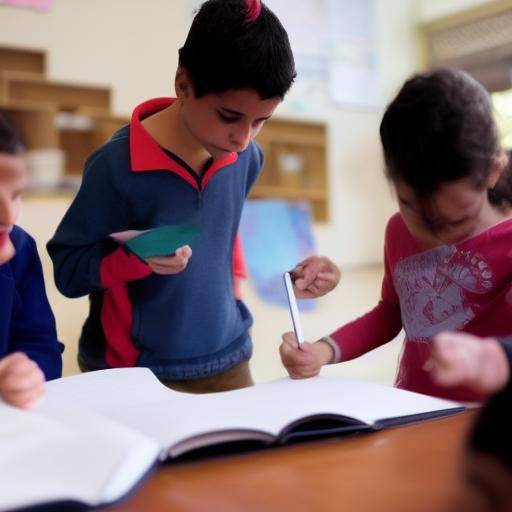
Active learning in the classroom is essential for the integral development of students. Implementing effective strategies can make the difference in the educational performance and commitment of students. In this article, we will thoroughly explore the various strategies to promote active learning in the classroom, its importance and practical applications.
Introduction
The current educational environment demands an evolution in teaching methodologies. Strategies for active learning in the classroom seek to promote participation, reflection, collaboration and the application of knowledge in a meaningful way. In this thorough exploration, we will discover in detail how these strategies can transform educational dynamics and enhance the learning process.
History and Background
The concept of active learning has deep roots in the history of education. From the first theories of progressive education to implementation in modern environments, the approach has evolved significantly. We will explore the historical milestones, key figures and relevant developments that have influenced the configuration of active learning in the classroom.
Detailed Analysis
In this section, we will offer an in-depth analysis of strategies for active learning in the classroom. We will discuss the benefits, challenges and current trends surrounding these strategies, supporting us in data, case studies and concrete examples to illustrate their impact on the education process.
Comprehensive review
We will explore applications, case studies and best practices related to strategies for active learning in the classroom. We will also present expert opinions and a detailed analysis of the advantages and disadvantages associated with these strategies.
Comparative analysis
We will compare and contrast strategies, active learning and classroom dynamics to better understand their similarities, differences and possible synergies. Through specific examples and scenarios, we will reveal the interrelationship between these key elements in the educational field.
Practical Tips and Accessible Recommendations
In order to provide concrete guidance, we will present practical advice and actionable recommendations to implement these strategies effectively. We will use lists and detailed explanations to ensure their understanding and applicability in a real educational environment.
Perspectives of Industry and Opinion of Experts
We will meet and present the perspectives of industry experts, analyzing future implications and offering a vision of emerging trends in active education in the classroom. Interviews, quotations and trend analysis will enrich this section.
Case Studies and Applications in Real Life
Detailed case studies will reveal practical applications of strategies for active learning in the classroom. We will analyze the results and lessons learned, providing examples of various industries and educational contexts.
Future Trends and Predictions
With an approach to emerging trends related to educational strategies, we will explore future predictions based on current data and expert opinions, examining the challenges and opportunities that will arise for the future.
Conclusion
In this section, we will summarize the key points of the article and strengthen the value of the information provided. In addition, we will present a closing statement that encourages readers to deepen the issue and explore additional actions to improve active learning in the classroom.
Frequently asked questions
What are some effective strategies to promote active learning in the classroom?
- Detailed answers and examples-
How can resistance to change be overcome by implementing these strategies in the classroom?
- Detailed answers and practical advice-
What is the role of the teacher in promoting active learning in the classroom?
- Deep answer and concrete examples
What benefits does active learning offer compared to more traditional approaches?
- exhaustive review of benefits and comparisons
What are some technological tools that can enhance strategies for active learning in the classroom?
-Review of tools and their impact on active learning-
How to ensure the active participation of all students in a different classroom?
-Inclusive strategies and personalized advice for diversity in the classroom
With the implementation of effective strategies for active learning in the classroom, more dynamic, participatory and meaningful education can be promoted. This article has provided a detailed overview of key strategies, their historical relevance, their current and potential impact, as well as practical recommendations for their implementation. By consolidating these practices in the educational environment, an enriching and transformative learning process can be encouraged for students.