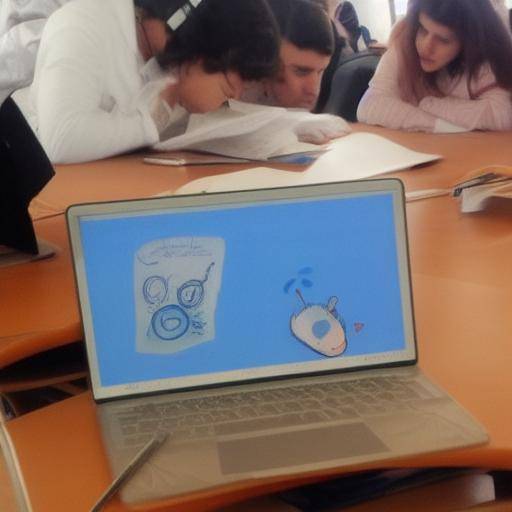
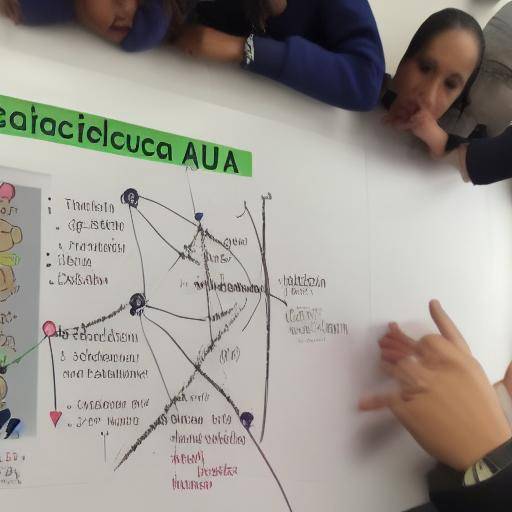
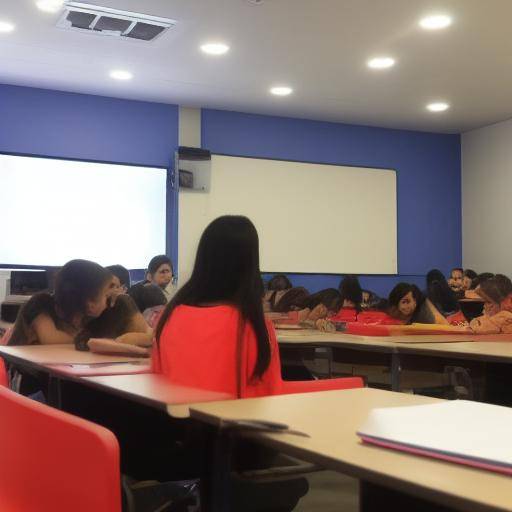
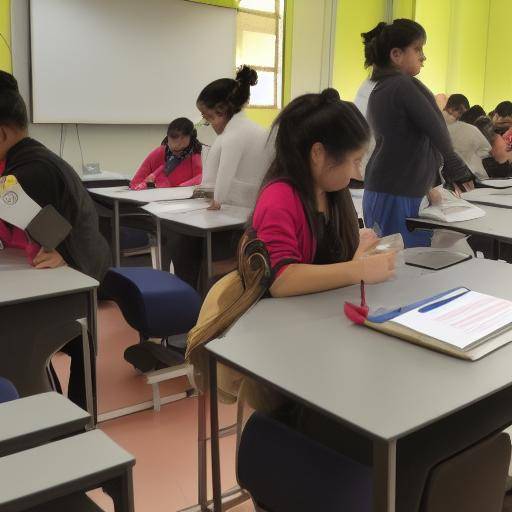
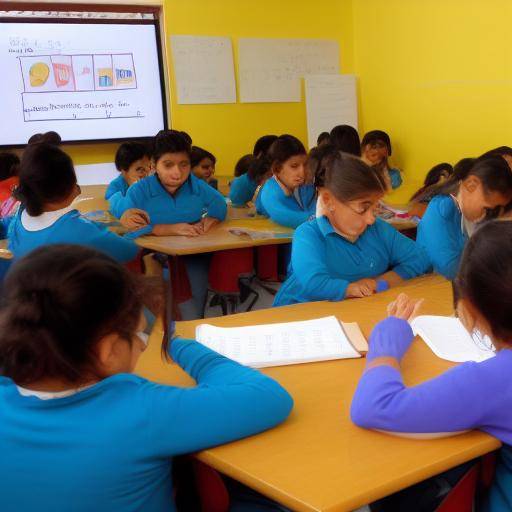
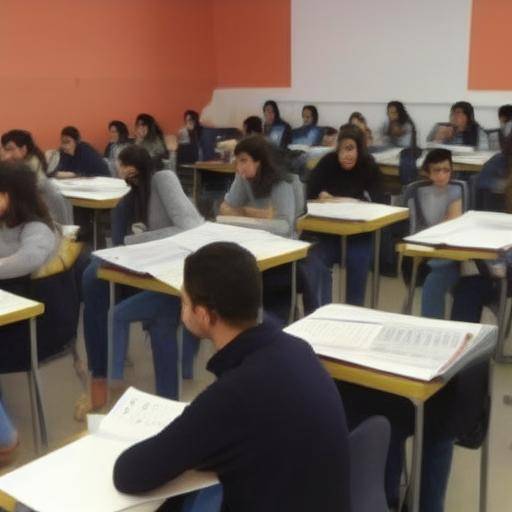
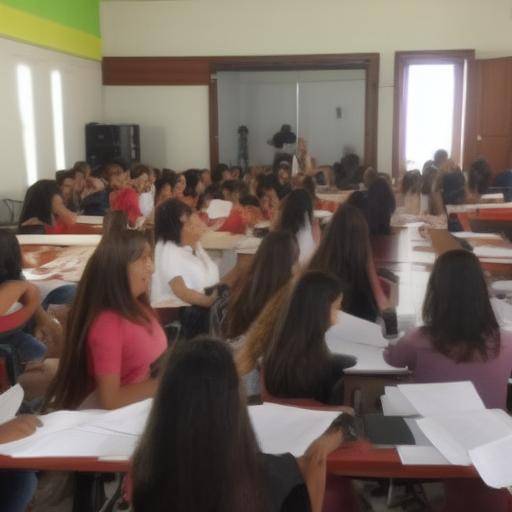
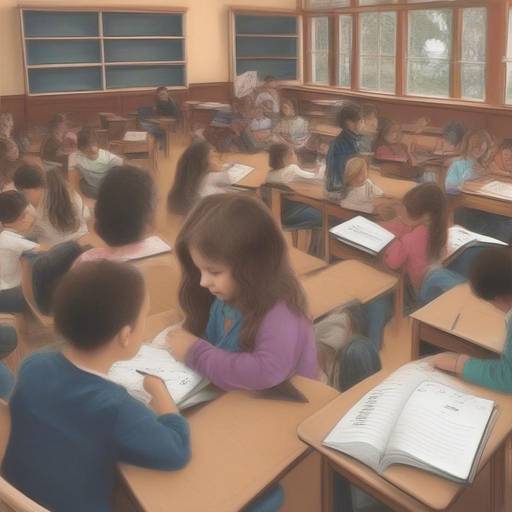
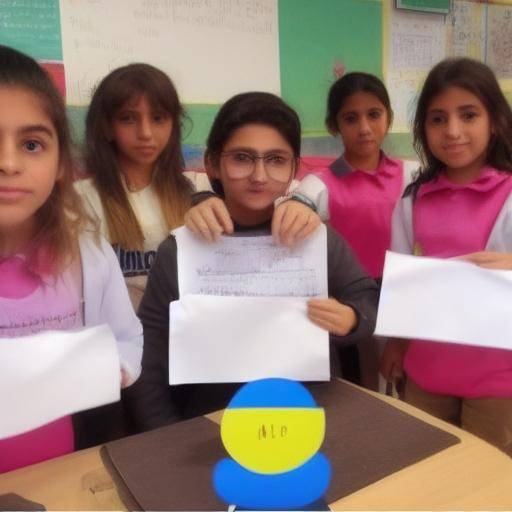
Collaboration in the classroom is a key part in the integral development of students. The ability to work as a team, share ideas and solve problems together are essential skills both in academic and professional life. In this article, we will explore the importance of organizing collaborative activities in the classroom, its benefits, challenges, practical applications and the impact on student learning.
Introduction
Education dynamics have evolved considerably over the years, and one of the most prominent trends is the promotion of student collaboration. However, effectively organizing collaborative activities in the classroom requires careful planning. In this article, we will review the fundamental aspects that educators should consider in order to effectively implement and organize these activities.
History and Background
The concept of collaborative activities in the classroom has deep historical roots. From the old educational philosophies to the first modern methodologies, the collaboration between students has been a pillar in the learning process. Efforts to promote active participation, exchange of ideas and collective resolution of problems go back to different pedagogical currents throughout history.
In-depth Analysis
Collaborative activities in the classroom encourage student interaction, promoting an inclusive environment where each individual provides their skills and knowledge to achieve common goals. This approach not only improves social and communication skills, but also strengthens critical thinking and creativity. However, addressing challenges such as equitable distribution of tasks, time management and conflict resolution requires deep reflection on the part of educators.
Comprehensive Examination
Exploring the practical applications of these activities provides an integral insight into how to organize them in the classroom. From the implementation of cooperative learning techniques to the integration of technology to facilitate collaboration, there are various strategies that meet the needs and dynamics of each group of students. Understanding the advantages and limitations of each approach is crucial to ensuring its effectiveness.
Comparative Analysis
The organization of collaborative activities in the classroom entails challenges and benefits that differ significantly from traditional methodologies. Comparing and contrasting these approaches offers a clear perspective on how this kind of dynamics impact students' learning and how it can be harmoniously integrated with other pedagogical strategies.
Practical Tips and Actionable Advice
Practical implementation of collaborative activities requires meticulous planning and implementation. From the selection of appropriate activities to the assessment of progress and results, educators should consider a number of key aspects to ensure the success of these classroom dynamics. Providing clear guidance and practical advice can be critical for those seeking to incorporate this teaching methodology effectively.
Industry Insights and Expert Opinions
Educational experts recognize the value of collaborative activities in the classroom. Their influence on the development of soft skills, the motivation of students and the creation of an enriching learning environment has been widely documented. In this section, we will explore the views of experts and trends that shape the future of collaborative education.
Case Studies and Real-Life Applications
Examining concrete examples of the implementation of collaborative activities in the classroom makes it possible to better understand their impact and lessons that can be drawn from such experiences. These case studies offer real perspectives that can inspire and guide other educators on their own path to the integration of collaborative methodologies.
Future Trends and Predictions
The future of classroom collaboration is constantly evolving. Analyzing emerging trends and predictions related to the implementation and organization of collaborative activities in the classroom provides a insightful insight into the role this methodology will play in tomorrow's education, as well as the challenges and opportunities that will be presented on the way.
Conclusion
The positive impact that collaborative activities have on student learning is undeniable. Its effective organization in the classroom not only enriches the educational experience, but prepares students for a working world that values teamwork and innovation. By understanding the main aspects to consider in organizing this dynamic, educators can make the most of their educational potential.
FAQs
Why is it important to organize collaborative activities in the classroom?
Collaborative activities promote active learning, problem solving and the development of social and emotional skills in students.
How can I organize collaborative activities equitably for all students?
The key is to assign roles that leverage individual strengths, set clear expectations and foster a culture of respect and collaboration.
What technological resources can be useful in organizing collaborative activities in the classroom?
Online collaboration platforms, virtual boards and interactive presentation tools are just a few options that can facilitate the organization of collaborative activities.
How to assess the success of collaborative activities in the classroom?
The evaluation may include observation of student performance, peer feedback and measurement of results.
What are the most common challenges in organizing collaborative activities in the classroom?
Equitable distribution of tasks, time management and conflict resolution are often recurrent challenges for educators who implement collaborative activities.
What role does communication play in organizing collaborative activities in the classroom?
Effective communication is essential to establish clear expectations, maintain workflow and foster a respectful environment of collaboration.
Conclusion
Collaborative activities in the classroom represent a powerful way of involving students, fostering teamwork and enhancing meaningful and enriching learning. By organizing these activities effectively, educators can transform the classroom into an environment that nourishes fundamental skills for the integral development of students. With careful planning, guidance and commitment, the power of collaboration in the classroom can transform the educational landscape into a more inclusive and in tune with the demands of the contemporary world.