At present, cultural education plays a crucial role in the integral development of children. Cultural activities not only foster learning, but also promote appreciation and understanding of various artistic expressions, traditions and values. This article will provide a thorough analysis of the importance of cultural activities for children, as well as practical advice and expert opinions in this field.
History and Background of Cultural Activities for Children
Cultural activities for children, known for their ability to enrich their lives through the exploration of artistic expressions and traditions, have their roots in ancient civilizations. From dance to music, theatre and storytellers, cultural activities have been fundamental to instill values and convey the cultural identity of generation to generation. They have become a pillar of comprehensive education, giving children the opportunity to discover their creativity and connect with their environment.
In the twenty-first century, cultural activities for children have experienced significant developments, integrating into formal and extracurricular educational programmes. Government and non-governmental organizations, as well as cultural institutions, have recognized their value and benefits for the training of young people.
The contemporary approach focuses on providing children with an early exposure to cultural diversity, fostering empathy, creativity, and critical thinking. This approach has led to the inclusion of interactive activities and immersive experiences that enrich their understanding of the world around them.
Deep Analysis: Benefits and Challenges
Cultural activities offer many benefits for the cognitive, emotional and social development of children. From the development of language to the promotion of creativity and self-expression, these activities strengthen self-esteem and the sense of identity. They also promote tolerance, respect for diversity and inclusion, becoming an essential tool for cultivating global citizens.
Despite their undeniable benefits, cultural activities also face challenges, such as accessibility to authentic cultural experiences and effective integration into educational settings. It is essential to address these challenges to ensure that all communities have equal access to enriching cultural experiences.
Comprehensive Review: Applications and Practices
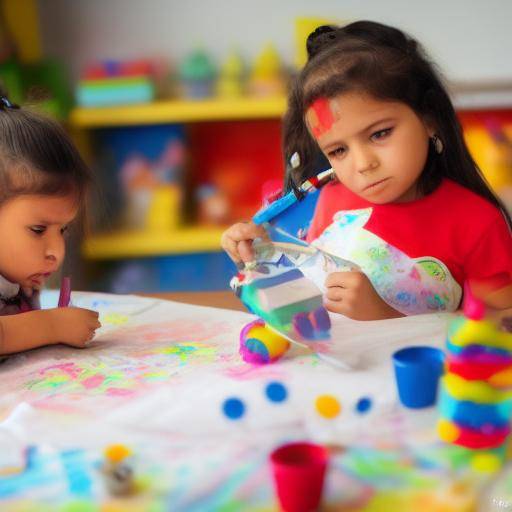
Various exemplary practices demonstrate how cultural activities contribute to the integral development of children. From community theatre programs to traditional craft workshops, these initiatives demonstrate the positive impact of cultural activities on the self-esteem, resilience and perception of the world by children. The incorporation of these practices into educational environments promotes creativity and empathy, providing children with the necessary tools to become culturally conscious and critical individuals.
Conclusions
In conclusion, cultural activities for children play a key role in their comprehensive development. From their historical importance to the current benefits, these activities enrich the lives of children and allow them to understand, appreciate and celebrate cultural diversity. By promoting active participation and discovery, cultural activities for children open up a world of educational and creative possibilities, promoting the development of reflective and culturally empowered individuals.
FAQs
1. What are some examples of cultural activities for children?
There are numerous cultural activities for children, such as folklore dance, traditional handicraft workshops, museum visits, storytelling, and theatre performances adapted for children.
2. What is the importance of cultural activities in the education of children?
Cultural activities enrich children ' s education by fostering appreciation for various artistic expressions, promoting understanding of cultural diversity and strengthening self-esteem through creative self-expression.
3. How can I incorporate cultural activities in my child's education?
You can incorporate cultural activities in your child's education by enrolling in music, dance or art classes, visiting cultural exhibitions and participating in community events that celebrate cultural diversity.
4. What is the long-term impact of cultural activities on the development of children?
Cultural activities have a long-term impact on the development of children by strengthening their sense of identity, promoting empathy and intercultural understanding, and cultivating appreciation for the arts and traditions.
5. What specific benefits do cultural activities have in the education of children?
Specific benefits include the development of language and communication, the encouragement of creativity, the strengthening of self-confidence, the promotion of empathy and tolerance, and the exploration of cultural diversity.
6. How can I encourage the interest of my child in cultural activities?
You can encourage your child's interest in cultural activities through early exposure to various artistic manifestations, active participation in cultural activities and appreciation and celebration of diversity at home.
Conclusion
Cultural activities for children not only enrich their education, but also contribute significantly to their comprehensive development. By providing them with the opportunity to explore and participate in artistic expressions and cultural traditions, a sense of identity, empathy and appreciation for diversity is promoted. It is essential that parents, educators and society in general recognize the value and importance of these activities for the well-being of children and their formation as culturally conscious individuals.