Respect, more than a simple act of courtesy, plays a fundamental role in the development of social skills in individuals. This article explores in depth the impact of respect on the development of social skills, from its historical evolution to its influence in modern society. Throughout the article, it will be discussed in detail how respect affects the way we relate to others, how it manifests in different contexts and how their presence or absence can influence the development of social skills in both personal and professional fields.
Impact of Respect on the Development of Social Skills
Introduction
Respect is a concept rooted in society, present in all cultures and fundamental for the development of healthy and harmonious relationships. Its impact on personal growth and the development of social skills is undeniable. Throughout this article, we will explore how respect not only fosters effective communication, but also influences the ability to establish empathic relations, resolve conflicts and collaborate constructively.
History and Background
The concept of respect has deep roots in the history of humanity. From the ancient philosophical teachings to the treaties of label and courtesy of past times, respect has been considered a fundamental pillar in social coexistence. Civilizations have given respect a central place in their values, recognizing it as an essential element in maintaining harmony in human interactions. Over time, respect has evolved, adapting to changing social dynamics and acquiring new dimensions of relevance in contemporary society.
In-depth Analysis
Respect not only impacts the way we relate to others, but also reflects on our self-esteem, self-control and emotional abilities. The practice of respect promotes acceptance of diversity, fosters empathy and strengthens the ability to understand and manage one's own and other emotions. All this contributes significantly to the development of social skills, as it facilitates the creation of solid links, the establishment of healthy limits and the constructive resolution of conflicts in various interpersonal situations.
Comprehensive Examination
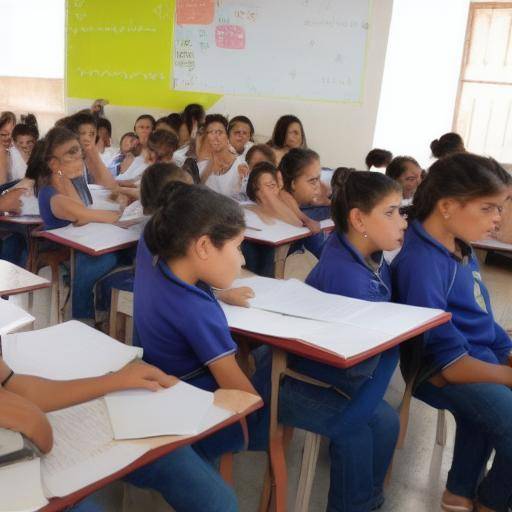
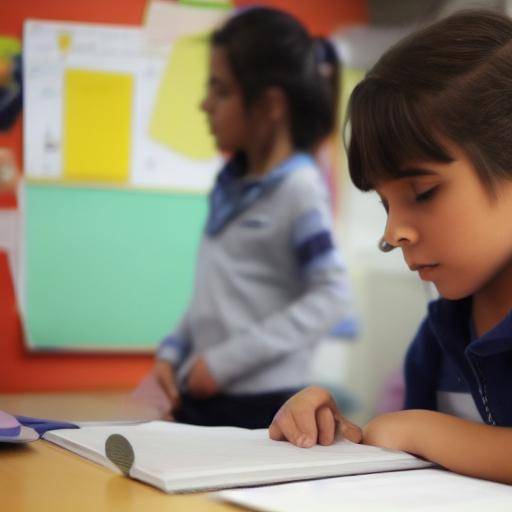
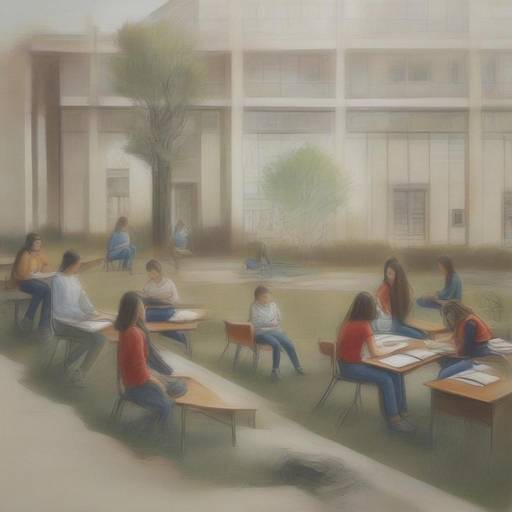
Respect, being a key element in human interaction, is manifested in multiple forms in different contexts. In the labour sphere, respect is reflected in fair treatment of colleagues and subordinates, being a determining factor in the construction of cohesive and productive teams. In the educational environment, respect is essential for the establishment of positive relationships between teachers and students, creating an enabling environment for the learning and comprehensive development of young people. In the family, respect also lays the foundation for healthy relationships among its members, fostering effective communication and mutual support.
Comparative Analysis
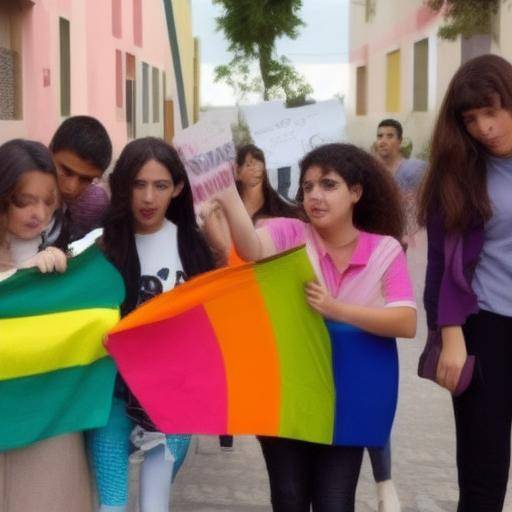
The impact of respect on the development of social skills is closely related to self-esteem, empathy and ability to establish healthy limits, all of them fundamental in the emotional and relational development of people. While respect can vary in its cultural manifestations, its influence on the development of social skills is universal, since its practice fosters the building of relationships based on trust, mutual understanding and appreciation for diversity.
Practical Tips and Actionable Advice
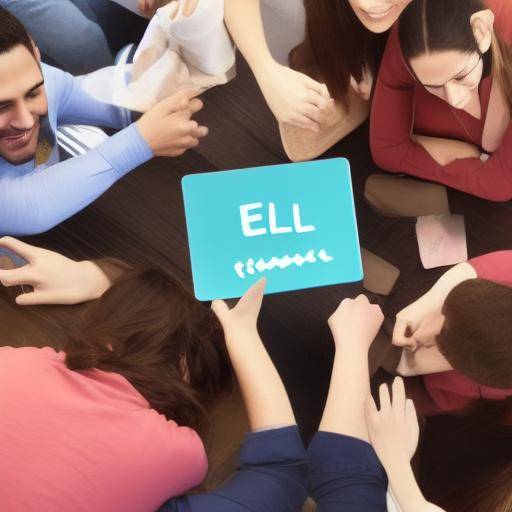
- Listen active: Practicing empathic listening is fundamental to demonstrating respect for others, thus fostering the creation of meaningful connections.
- Assertive communication: Expressing opinions and emotions clearly and respectfully is essential to strengthening social skills.
- Establishment of limits: Recognizing and communicating the limits themselves, as well as respecting those of others, it is essential to maintain healthy and empathic relationships.
- Recognition of diversity: To value and respect individual differences contributes to creating inclusive and enriching environments.
Industry Insights and Expert Opinions
According to experts in social psychology, respect is an essential component in the development of social skills, as it establishes the basis for equitable and healthy interpersonal relationships. The practice of respect in working environments has demonstrated positive impacts on productivity, commitment and job satisfaction, creating enabling environments for collaboration and innovation.
Conclusion
The impact of respect on the development of social skills is undeniable, as its practice promotes the construction of healthy relationships, effective conflict resolution and harmonious coexistence in various contexts. Promoting respect in the personal and professional sphere not only contributes to individual well-being, but also strengthens social ties and nourishes more empathic and solidarity communities.
FAQs
Why is respect important in the development of social skills?
Respect is fundamental in the development of social skills, as it promotes empathy, effective communication and the establishment of healthy relationships based on trust and mutual understanding.
How can respect be fostered in working environments?
Promoting respect in working environments is achieved through policies and practices that promote equity, recognition of diversity and fair treatment for all members of the organization.
What impact does respect have on conflict resolution?
Respect contributes to a constructive resolution of conflicts, as it encourages active listening, the consideration of diverse perspectives and the search for collaborative solutions.
Does respect vary in their cultural manifestations?
If respect can manifest in diverse forms according to culture, but its importance in the development of social skills is universal, since its practice strengthens interpersonal relationships in any context.
How does respect for emotional self-control affect?
Respect promotes emotional self-control by fostering consideration of one’s own and other emotions, which contributes to establishing healthy limits in interpersonal interactions.
What is the role of respect in building effective work teams?
Respect is fundamental in the construction of effective work teams, as it promotes trust, cooperation and commitment, essential elements in productive working environments.
In conclusion, respect has a significant impact on the development of social skills by fostering equitable relationships, empatic understanding and effective communication. Its practice not only enriches personal life, but also strengthens the social fabric, generating more resilient and cohesive communities.