The education of students goes beyond the acquisition of academic knowledge. It is essential that young people also develop social skills that enable them to effectively interact with society. In this article, we will explore various activities that can contribute to the development of these skills in students, as well as their importance in education and social development.
Importance of Social Skills Development
The development of social skills is crucial for emotional well-being, social integration and success in different areas of life. Social skills include the ability to communicate effectively, resolve conflicts, work as a team, show empathy and make responsible decisions. These skills not only influence academic performance, but also the ability of young people to develop into the working environment and society at large.
Activities to Develop Social Skills in Students
1. Roles Games
Roleplays provide students with the opportunity to get into the place of other people and understand different perspectives. These activities promote empathy, effective communication and conflict resolution. Students can assume roles in everyday situations or recreate scenarios that require teamwork and collective decision-making.
2. Community Service Projects
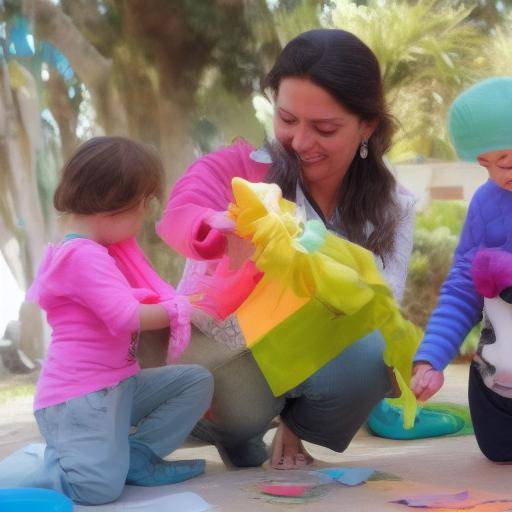
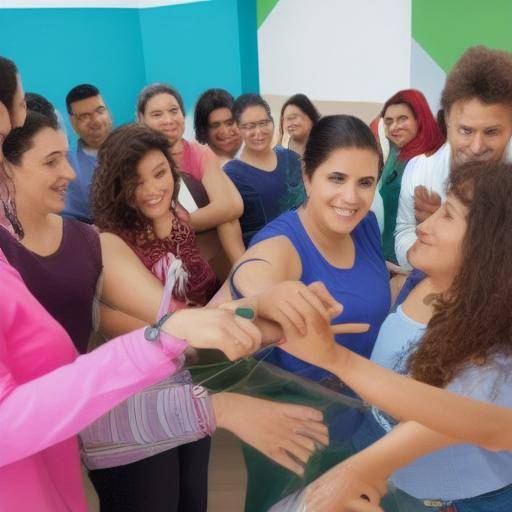
Involving students in community service projects allows them to develop a sense of social responsibility, empathy and collaboration. Working as a team to address real challenges in the community fosters the development of practical social skills and promotes active citizenship values.
3. Discussions and Discussions
Organizing debates and discussions on relevant issues gives students the opportunity to express their views, listen to others, argue in a coherent way and respect different views. These activities promote critical thinking, active listening and the ability to communicate persuasively.
4. Cooperation dynamics
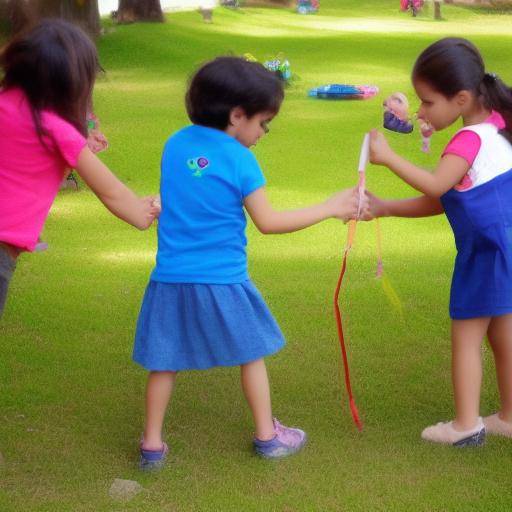
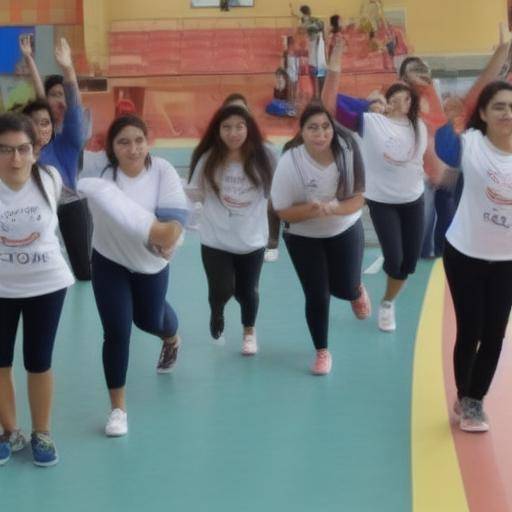
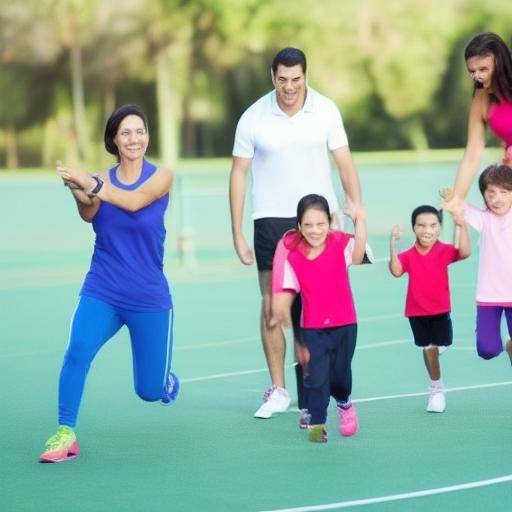
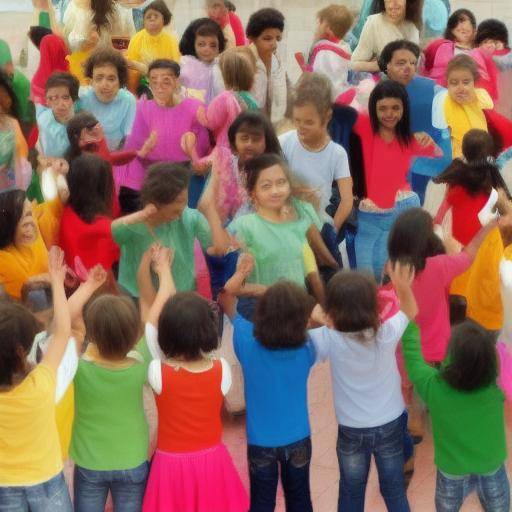
The dynamics of cooperation, such as the resolution of riddles in group or the conduct of cooperative sports activities, foster teamwork, mutual trust and non-verbal communication. These activities strengthen interpersonal relationships and promote leadership and collaboration skills.
5. Simulations
Simulations of practical situations, such as trade negotiations or conflict resolution, provide students with the opportunity to apply social skills in a controlled environment. These activities allow the development of ethical decision-making, the management of emotions and effective negotiation.
Education and Social Development
Importance of Education in Social Development
Education plays a key role in social development by providing students with the necessary tools to actively understand and participate in society. The inclusion of activities that promote the development of social skills in the educational curriculum promotes social cohesion, equal opportunities and the formation of committed citizens.
Impact of Social Activities on Education
The integration of social activities in the educational context contributes to the integral development of students, cultivating values such as empathy, responsibility and respect for diversity. These activities promote an inclusive school environment and promote the development of skills for constructive conflict resolution, reducing the risk of harassment and fostering cohesion among students.
Rol de los Profesionales en el Desarrollo Social
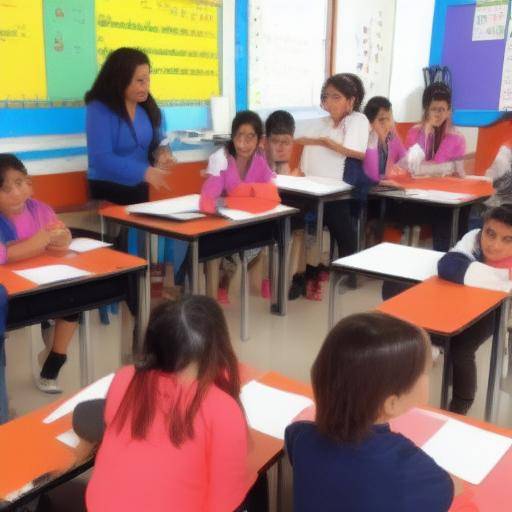
Education teachers and professionals play a key role in promoting the social development of students. The design and implementation of activities that promote the acquisition of social skills, conflict resolution and collaborative work are key aspects of educational work, contributing to the comprehensive training of young people.
Social Skills: Contemporary Development and Challenges
Social skills are key to developing healthy interpersonal relationships, adapting to diverse environments and building support networks. However, in the digital age, young people face additional challenges, such as dependence on technology, cyber addiction, and difficulty in establishing meaningful face-to-face connections. It is therefore crucial that activities aimed at the development of social skills address these contemporary challenges and foster a more balanced and meaningful interaction.
Strategies for Addressing Social Challenges
Awareness about Responsible Use of Technology
Integrate activities that encourage critical reflection on the use of technology and its impact on social relations. Stimulating the debate on the balance between online and offline life allows students to understand and manage their participation in digital environments in a healthy way.
Promotion of Digital Empathy
Develop activities that promote empathy in the digital environment, promoting respect, understanding and mutual support on online platforms. These activities seek to counteract dehumanization and negative discourse online, strengthening the capacity of young people to participate in constructive and respectful debates in the virtual world.
Inclusive Learning Environments
Advocate for inclusive learning environments where individual differences are valued and celebrated. Activities that promote diversity, cultural awareness and respect for plurality contribute to the development of social skills in multicultural contexts and encourage the construction of cohesive school communities.
Conclusion
The development of social skills in students through specific activities is essential for their personal growth, their integration into society and their future success. Education plays a key role in promoting these skills, promoting the integral formation of individuals capable of interacting in a healthy and constructive manner in their environment.
Incorporating activities that promote the development of social skills in the educational field is an investment in the well-being and happiness of future generations!
FAQs
**1. Why is it important to develop social skills in students?**Developing social skills in students is important because it allows them to relate in a healthy way, resolve conflicts, work as a team and adapt to diverse environments, fundamental skills for their emotional well-being and their academic and professional success.
**2. What role does education play in the development of social skills?**Education plays a key role in providing an enabling environment for the development of social skills through specific activities that promote communication, empathy, teamwork and constructive conflict resolution.
**3. How can teachers foster the development of social skills in students?**Teachers can foster the development of social skills by integrating practical activities, such as role-playing, community service projects, debates and cooperative dynamics, to enable students to apply and strengthen their social skills in real contexts.
**4. What is the impact of social activities on the integral formation of students?**Social activities have a positive impact on the integral formation of students by promoting values of responsibility, empathy and respect, and by fostering an inclusive school environment that contributes to emotional well-being and the development of life skills.
**5. How can social activities address contemporary challenges, such as the influence of technology on social relations?**Social activities can address contemporary challenges by promoting responsible use of technology, promoting digital empathy and creating inclusive learning environments that value diversity and promote active and respectful participation in virtual environments.
**6. What is the long-term impact of the development of social skills in students?**The development of social skills in students has a long-term impact on their ability to establish meaningful relationships, lead collaboratively, adapt to changing environments and contribute positively to society, which influences their future well-being and success.
Conclusion
The development of social skills in students through specific activities is essential for their personal growth, their integration into society and their future success. Education plays a key role in promoting these skills, promoting the integral formation of individuals capable of interacting in a healthy and constructive manner in their environment.
Incorporating activities that promote the development of social skills in the educational field is an investment in the well-being and happiness of future generations.
With the implementation of effective strategies and the active participation of educators, students will be able to develop solid social skills that will serve them throughout their lives, strengthening their capacity to face challenges, teamwork and contribute positively to society.
Social skills are one of the fundamental bases for the integral development of students, and their promotion through educational activities offers a way to a more just, inclusive and solidarity society.