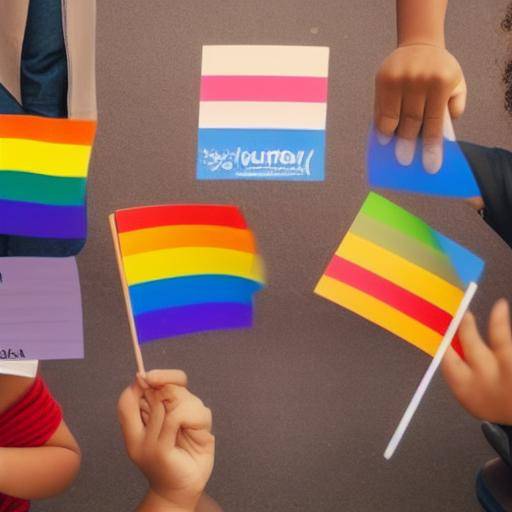
Friendly relations play a key role in child development. Throughout history, these relationships have been shown to have a significant impact on various aspects of the emotional, social and cognitive growth of children. In this article, we will explore in detail the importance of friendly relationships in child development, analyzing their evolution, benefits, challenges, practical applications, future prospects and much more.
Introduction
Friendly relationships in childhood have a profound impact on identity formation, self-esteem, empathy and the ability to establish healthy bonds in later stages of life. Understanding and fostering these relationships is crucial to ensuring balanced emotional development in children.
In this introductory section, we will explore why friendship relationships are fundamental in child development, highlighting the emotional, social and cognitive aspects that are favored by these interactions.
History and Background
Friendly relations in the context of child development have deep roots in the history of humanity. Since ancient times, social interactions have been valued as an essential element in the upbringing and growth of children. Over the centuries, various cultures have recognized and encouraged the importance of friendships in childhood, laying the foundations for their study and understanding today.
In this section, we will explore the historical background of friendship relations in child development, from ancient civilizations to modern psychological theories. In addition, we will discuss how perceptions and approaches on this issue have evolved over time, considering important milestones and influential figures in the field of child development.
Deep analysis
In-depth analysis of the importance of friendship relationships in child development involves exploring their benefits, current challenges and relevant trends. From the impact on mental health to the development of social skills, this analysis is immersed in the complexities and nuances surrounding this vital issue.
In this section, we will delve into various research, statistics and real examples that illustrate the impact of friendly relationships on child development. We will also examine the perspectives of experts, considering both the positive aspects and the challenges that may arise in the context of these relationships.
Comprehensive review
To explore in detail the importance of friendly relationships in child development leads us to examine practical applications, case studies and best practices that can guide parents, educators and professionals in promoting healthy friendships for children. In addition, we will consider different methodologies and approaches to addressing this crucial aspect of child development.
In this section, we will delve into practical applications of fostering positive friendship relationships in childhood, presenting relevant case studies, expert opinions and a thorough analysis of pros and cons in promoting these interactions.
Comparative analysis
To compare the importance of friendly relations with other aspects of child development will provide a comprehensive perspective on its relevance and distinctive contributions. Exploring similarities, differences and possible synergies with other relevant factors in the growth of children will enrich our global understanding of this issue.
In this section, we will analyze the importance of friendly relations compared to other aspects of child development, such as family influence, formal education and the social environment. Through concrete examples and representative scenarios, we will examine how these interactions are interrelated and their joint impact on child development.
Practical Tips and Accessible Guides
In considering the importance of friendly relationships in child development, it is crucial to provide practical advice and actionable guidance for parents, caregivers and professionals who wish to promote healthy relationships in children. Establishing a solid foundation for the promotion of positive friendships implies understanding the concrete steps that can be taken in the family, school and community spheres.
In this section, we will provide practical advice and actionable guides to cultivate healthy friendship relationships in childhood. We will use numbered lists and vineyards for a clear and concise presentation of the recommended strategies, supported by specific examples and substantiated justifications.
Industry Perspectives and Expert Reviews
Collecting and presenting insights from industry experts will allow us to better understand the current context and future projections related to the importance of friendly relationships in child development. Exploring emerging trends and implications for the future will enrich the analysis of this key issue.
In this section, we will gather and present the perspectives of experts in the industry, who will provide their vision on the importance and future implications of friendship relations in child development. Interviews and appointments will also be included that provide a deeper understanding of the current landscape and emerging trends in this area.
Case Studies and Real Life Applications
Exploring practical applications in real life and detailed case studies will provide a concrete understanding of how friendly relationships impact child development in various contexts and situations. Analyzing the results and lessons learned at these levels will provide a valuable perspective on the tangible effects of these relationships.
In this section, we will present detailed case studies that highlight practical applications and specific results related to the importance of friendly relationships in child development. We will address the learnings obtained and the relevant implications for different industries or contexts, offering a complete view of the practical influence of these interactions on children.
Future Trends and Predictions
Exploring future trends and predictions related to the importance of friendly relationships in child development will allow us to glimpse the landscape ahead. Considering emerging developments and possible future opportunities and challenges in this area will be critical to understanding their evolution and continuing relevance.
In this section, we will examine future trends and predictions related to the importance of friendly relations in child development. Based on current data and expert opinions, we will anticipate possible scenarios and challenges that could shape the role of these relationships in the development of children in the future.
Conclusion
The importance of friendship relations in child development is undeniable, and its impact endures throughout life. In summarizing the key points and reaffirming the value of the information provided, this final section will reinforce the importance of understanding and fostering these relationships for the integral well-being of children.
In this section, we will summarize the most relevant aspects of the article, emphasizing the importance of friendly relationships in child development and motivating readers to deepen this crucial issue.
Frequently asked questions
**Why are friendship relations important in child development?**Friendly relationships offer children a safe environment to learn social skills, develop empathy and strengthen their self-esteem. In addition, they foster a sense of belonging and emotional support, fundamental elements in their growth.
**What are the long-term benefits of childhood friendship relationships?**Friendships in childhood can lay the foundation for healthy relationships in adulthood, contributing to emotional health, satisfaction in relationships and building support networks in adult life.
**How can parents foster positive friendship relationships in their children?**Parents can promote positive friendly relationships by encouraging cooperation, teaching skills to resolve conflicts constructively and providing opportunities for social interactions in safe and supervised environments.
**What is the impact of friendship relationships on children's academic performance?**Positive friendship relationships can contribute to better academic performance by providing an emotional and social support environment that fosters self-confidence and motivation to learn.
**What role do friendship relationships play in developing social skills in children?**Friendly relationships offer children the opportunity to practice social skills, such as effective communication, empathy, collaboration and conflict resolution, fundamental to their social and emotional development.
**When is it appropriate to intervene in child friendly relations?**Adults should be aware of signs of difficulties in child friendly relationships, such as exclusion, intimidation or significant changes in behavior. It is important to engage in an empathetic and constructive manner to support children in managing these challenges.
This article has provided an integral view of the importance of friendly relationships in child development, addressing its historical evolution, benefits, current challenges, practical strategies, future trends and more. In understanding and fostering these relationships, it can contribute significantly to the well-being and integral development of children, laying the foundations for an emotionally healthy and socially connected future.