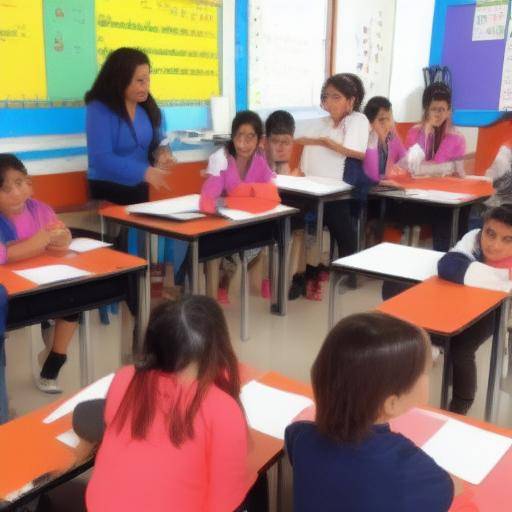
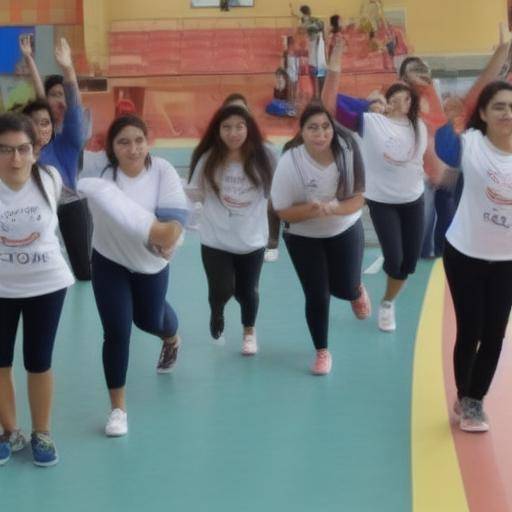
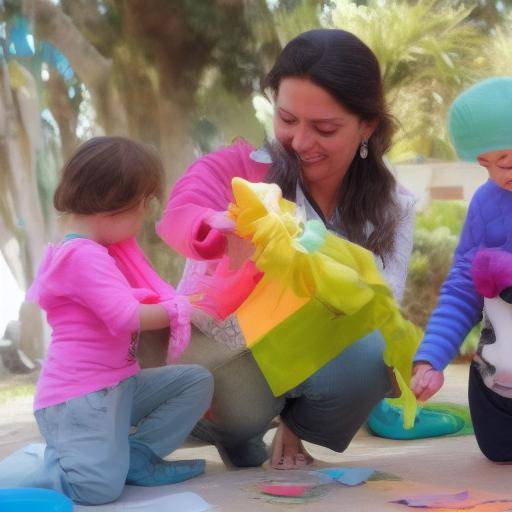
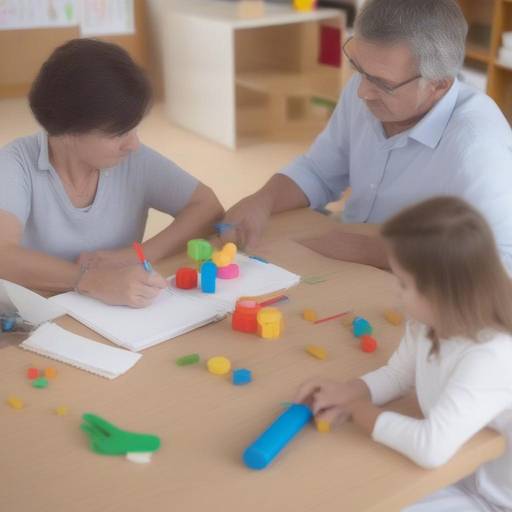
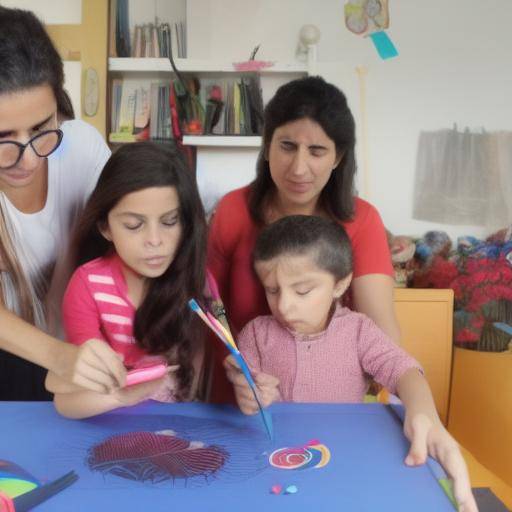
Currently, the integration of pupils into school teams is essential to promote a positive environment and to promote intellectual and emotional development. Organizing effective integration activities can strengthen group cohesion, promote empathy and improve communication among students. This article will provide a comprehensive guide on how to conduct these activities, addressing strategies, benefits and challenges, as well as providing case studies and practical advice.
Introduction
Within school teams, the integration of pupils is a fundamental tool for promoting respect, collaboration and fellowship. Integration activities help to create a positive school environment where students feel safe and valued. In addition, these activities promote social and emotional skills that are essential to the personal and academic development of students.
In this article, we will explore effective ways of organizing integration activities for school teams. From its historical importance to current practices, we will examine future benefits, challenges and trends in this area. We will also provide practical advice, industry insights and case studies to enrich understanding of integration into school environments.
History and Background
Integration activities in school teams have deep roots in the history of education. From ancient philosophical schools to modern educational institutions, integration has been a fundamental part of the educational process. Over the centuries, this practice has evolved to adapt to the changing needs of society and has demonstrated its relevance in the formation of balanced and empathic individuals.
During the Renaissance, for example, humanist academies promoted the integration of artistic and scientific disciplines, recognizing the importance of comprehensive training for youth development. In the twentieth century, with the implementation of innovative psychological and pedagogical theories, integration became a central hub of modern education.
Significant developments
From the adoption of collaborative teaching methods to the implementation of peer mentoring programmes, significant developments in the field of school integration have expanded the understanding and implementation of activities that promote participation, mutual understanding and diversity assessment. These advances have played a crucial role in improving group cohesion and the emotional well-being of students.
Anecdotes and Case Studies
Cases of study that vividly illustrate the benefits of integration into school teams include experiences in multicultural environments, where collaboration among students of different backgrounds has fostered intercultural understanding and mutual respect. In these contexts, integration activities have served as tools for building bridges between individuals and communities, thus contributing to the creation of a more inclusive and harmonious society.
Deep analysis
The deep analysis of integration activities for school teams allows us to understand their current benefits, challenges and trends in the educational field.
Benefits of School Integration
Integration activities promote empathy, collaboration and teamwork, key skills in personal and professional development. They also contribute to improving the school climate, reducing harassment and social isolation. These activities also encourage openness to diversity, enriching educational experience and preparing students to face challenges in increasingly interconnected societies.
Challenges and Challenges
Despite the obvious benefits, the implementation of integration activities can present challenges, such as cultural resistance or lack of resources. Differences of opinion among educators, parents and pupils, as well as linguistic and cultural barriers, can also hinder the effectiveness of these activities. It is crucial to address these difficulties through contextual and sensitive strategies that promote genuine and meaningful integration.
Current trends
At present, trends in school integration include an approach to equity and social justice, with an emphasis on the inclusion of students with various capacities and backgrounds. There is also greater interaction between formal and non-formal education, with the integration of extracurricular and community activities into the school curriculum. These trends reflect a shift towards more holistic and responsible educational practices that address the integral needs of students.
Comprehensive review
A comprehensive review of integration activities allows us to explore their applications, best practices, and future perspectives in the educational context.
Applications and Examples
The applications of integration activities range from group dynamics that promote trust and fellowship, to collaborative projects that address social problems relevant to students. The mentor programs, community service projects and artistic and sporting activities are concrete examples of how integration can enrich the school experience and prepare students for life posteducative.
Opinions of Experts and Future Perspectives
The views of experts in the field of education highlight the importance of integration in the integral development of students. They also point to the need to adapt integration activities to the changing realities of society, including an approach to emotional education and global citizenship. Future prospects for school integration entail greater emphasis on diversity, inclusion and social justice, as well as the integration of technology and innovative pedagogical practices.
Comparative analysis
Compare and contrast the organization, activities and integration in school contexts allows us to identify similarities, differences and possible synergies between these elements.
Similarities and Synergies
Both the organization of activities and the integration of school teams seek to promote group cohesion, the development of social skills and the strengthening of the sense of belonging. These two areas are significantly complemented, as an effective organization of activities facilitates the integration of students, thus promoting an inclusive and enriching school environment.
Variances and Challenges
Despite their interrelationship, the organization of activities and integration presents differences in their approaches and challenges. While the organization focuses on the planning and execution of events, integration involves deeper processes of emotional, social and academic involvement of students. Challenges include logistical coordination in the organization of activities and the promotion of equitable participation in integration.
Practical Tips and Orientations
Providing practical advice and essential guidance for the effective organization of integration activities in school teams.
Expert Organization Tips
- Involve students in planning and designing activities to ensure their relevance and attractiveness.
- Consider the preferences and interests of students when selecting activities, thus promoting their active participation.
- Establish clear and measurable objectives for activities, focusing on the personal and social development of students.
Strategies for Promoting Integration
- Promote interaction between students from different social, cultural or academic groups.
- Implement collaborative activities that require the participation and cooperation of all students.
- Provide safe and supportive spaces for students to express and share their experiences and perspectives.
Conclusions
In conclusion, the organization of integration activities in school teams is an invaluable tool to strengthen group cohesion, promote empathy and promote social and emotional skills in students. As education faces challenges and opportunities in an increasingly diverse and complex world, integration becomes even more crucial to preparing students for an active and conscious global citizenship.
Frequently asked questions
1. How can cultural barriers be overcome in the organization of integration activities?
Cultural barriers can be overcome by designing inclusive activities that respect and value the diverse traditions and perspectives of students. Collaboration with community leaders and the implementation of intercultural education programmes can also help overcome these barriers.
2. What benefits can the integration of extracurricular activities into school integration efforts?
The integration of extracurricular activities can enrich the educational experience by providing students with additional opportunities to interact, collaborate and develop their social and emotional skills in a less formal environment. This strengthens group cohesion and fosters the integral development of students.
3. How to measure the impact of integration activities on school equipment?
The impact of integration activities can be measured by observing the school climate, the participation of students, the analysis of feedback received and the evaluation of observable changes in interpersonal relationships and the attitude of students towards diversity and inclusion.
4. What is the role of educators in organizing integration activities?
Educators play a key role in organizing integration activities by providing guidance, support and leadership to students. They also have the responsibility to promote an environment that promotes the inclusion and equal participation of all students.
5. How can parents participate in the process of organizing integration activities?
Parents can participate in the process of organizing integration activities by providing logistical support, resources and ideas. In addition, they can work closely with educators to ensure that activities are inclusive and reflect the diversity of the school community.
6. What successful examples of integration into school teams can be highlighted as models to follow?
Successful examples of integration into school teams include peer mentoring programmes, collaborative projects that address local social problems, and intercultural activities that encourage mutual understanding and respect. These examples demonstrate the effectiveness of integration in strengthening group cohesion and enriching the educational experience.
In short, the organization of integration activities for school teams is a key component in promoting cohesion, empathy and the development of social skills in students. Effective implementation of these activities requires careful planning, a deep understanding of their benefits and challenges, and collaboration among all educational actors. With the right commitment and approach, integration activities can create an inclusive and enriching school environment that prepares students to face the challenges and opportunities of a diverse and globalized world.