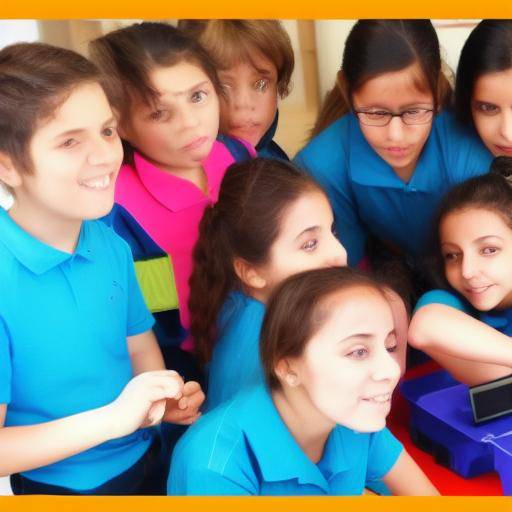
In the field of education, collaborative learning has gained significant relevance due to its positive impacts on both the acquisition of knowledge and the development of social skills. In this article, we will explore in depth the concept of collaborative learning, the different teaching methods associated with it and its importance in the educational context. From its history and evolution to future trends, this comprehensive analysis aims to provide a clear and detailed vision of this topic in constant development.
History and Background
Collaborative learning has its roots in the constructivist theories of education, which emphasize the importance of social interaction and the active participation of the student in their learning process. Over the years, she has experienced significant evolution, influenced by influential figures such as Lev Vygotsky and research in educational psychology.
Relevant Developments
The concept of collaborative learning has evolved over time, with significant milestones that have contributed to their current understanding and application in educational settings. From the implementation of innovative methodologies to the integration of technology into the classroom, collaborative learning has experienced significant progress in its development.
Detailed Analysis
Collaborative learning presents a number of notable benefits, including a greater degree of knowledge retention, the development of teamwork skills and the promotion of an inclusive learning environment. It also addresses common challenges such as excessive individualism and lack of active participation, contributing to the comprehensive training of students.
Importance and Benefits
Collaborative learning is essential in current education, as it promotes active participation, critical thinking and problem solving. In addition, it provides students with the opportunity to develop effective communication and collaboration skills, essential competencies in an increasingly globalized and team-oriented working environment.
Current trends
Collaborative learning has experienced significant adoption in contemporary educational systems, reflecting the growing awareness of the importance of socio-emotional skills and training for teamwork. This pedagogical approach aligns with the collaborative nature of many professional fields, promoting their integration into global educational programmes.
Methods of Education and Strategies
The teaching methods associated with collaborative learning encompass a variety of approaches that seek to foster interaction, exchange of ideas and mutual learning among students. From project-based learning to group problem solving, these strategies seek to enhance students' cognitive and social skills.
Innovative Pedagogical Approaches
The implementation of teaching methods focused on collaborative learning, such as teamwork, peer mentoring and training feedback, promotes greater participation and commitment by students. These strategies seek to strengthen the understanding of curriculum content and to foster creativity and critical thinking.
Comparative analysis
Compare collaborative learning with other teaching methodologies allows you to identify your strengths and areas of improvement, providing an integral vision of your effectiveness and relevance in the current educational context. When analyzing its impact on traditional methods and individualist approaches, you can appreciate the distinctive advantages offered by collaborative learning.
Synergies and Significant Differences
Collaborative learning stands out for its ability to foster collaboration, effective communication and collective knowledge construction. By contrasting it with more traditional approaches, such as master's teaching, its potential to engage students actively in their learning process and promote the development of interpersonal and collaborative skills is evident.
Practical Tips and Recommendations
In implementing collaborative learning strategies, it is essential to have a proactive approach and adequate resources to ensure their effectiveness. Some practical tips include the creation of mixed groups, the clear definition of roles and responsibilities, and the inclusion of training assessments to monitor individual and group progress.
Conclusions and FAQs
Conclusions
Collaborative learning represents a fundamental component in current education, as it not only enhances the acquisition of knowledge, but also contributes to the integral development of students, preparing them to face the challenges of the working and social world with solid skills of collaboration and communication.
Frequently asked questions
1. What are the benefits of collaborative learning compared to other teaching approaches?
Collaborative learning promotes greater participation and commitment on the part of students, fosters the collective construction of knowledge and develops skills in teamwork and effective communication, fundamental aspects for success in the academic and labour sphere.
2. How can challenges associated with collaborative learning be overcome?
The effective implementation of collaborative learning requires the clear definition of objectives and roles, the inclusion of effective feedback mechanisms and the promotion of an environment of respect and equity among participants.
3. How does collaborative learning influence student motivation and commitment?
Collaborative learning provides students with a sense of shared responsibility and group membership, which can increase their motivation, self-confidence and commitment to the learning process.
4. What is the role of the teacher in fostering collaborative learning?
Teachers play a crucial role in facilitating and guiding collaborative learning, providing guidance, establishing clear expectations and promoting an environment of respect and collaboration.
5. How can you evaluate the success of collaborative learning in the classroom?
The evaluation of collaborative learning can be done through observation of student participation and commitment, review of collaborative products or projects, and feedback from participants themselves.
6. What are future trends in collaborative learning?
Collaborative learning is expected to continue to evolve through the integration of innovative technologies, adaptation to virtual environments and exploration of hybrid approaches that combine presenceal learning with online learning.
In short, collaborative learning represents a powerful pedagogical tool that not only enhances the acquisition of knowledge, but also promotes the integral training of students, equipping them with cognitive, social and emotional skills fundamental to their personal and professional development. Its importance lies in its ability to cultivate collaboration, critical thinking and empathy, essential aspects in an increasingly interconnected and team-oriented world.