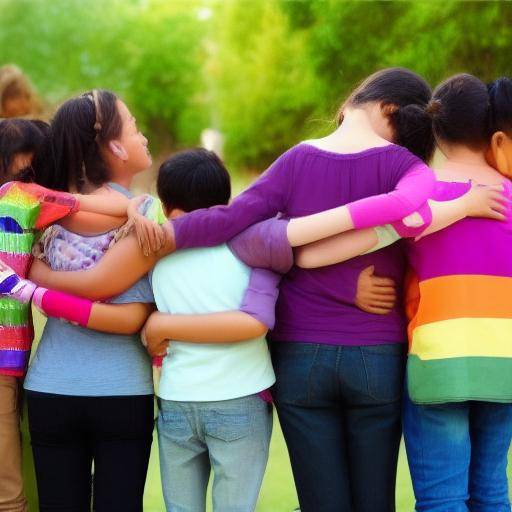
Cultural appreciation is fundamental in the development of children, as it allows them to understand and value the diversity of the world around them. However, at present, this aspect can be challenged by the influence of globalization and digital technologies. That is why it is essential to provide them with resources that foster cultural appreciation from an early age. In this article, we will explore strategies, activities and fundamental tools to cultivate cultural appreciation for children, thus promoting empathy, respect and intercultural understanding.
Introduction
Children are recipients of their cultural influence, but they can also become agents of positive change when they are given the opportunity to explore, understand and appreciate cultural diversity. Cultural appreciation not only enriches your life experience, but also promotes empathy, tolerance and respect for differences. In this sense, providing significant resources becomes crucial to nurture this appreciation from an early age.
History and Background
Cultural appreciation has profound historical and anthropological roots. Since the first interactions between different human groups, cultural diversity has marked the evolution of societies. It is essential to understand this background to assess the importance of promoting cultural appreciation for children. We will explore the evolution of cultural practices, significant milestones and the current relevance of this topic.
Deep analysis
Cultural appreciation for children entails significant benefits, but it also faces challenges in contemporary society. We will analyse the advantages of fostering cultural appreciation, as well as the obstacles presented in the present world. In addition, we will provide data, case studies and real examples that illustrate the importance and complexity of this aspect in child development.
Comprehensive review
To promote cultural appreciation in children, it is essential to analyse practical aspects, case studies and best practices. We will examine specific applications, case studies and expert opinions to fully understand the most effective methods. A detailed analysis of the advantages and disadvantages of each approach will also be explored.
Comparative analysis
Within the range of resources available to promote cultural appreciation in children, different approaches need to be compared and contrasted to understand their scope and possible synergies. Through detailed examples and scenarios applied, we will examine the similarities, differences and the potential to combine various resources and strategies.
Practical Tips and Accessible Tips
Providing clear and actionable advice can make the difference in the effective implementation of resources to promote cultural appreciation in children. We will use numbered lists and cartoons to provide detailed guidance, practical steps and recommendations based on parents, educators and professionals interested in promoting cultural appreciation for children.
Industrial Perspectives and Expert Reviews
The views and knowledge of experts in related fields are critical to providing a comprehensive picture of cultural appreciation in children. We will interview and present the perspectives of experts and analyze the trends of the sector, as well as comments on the future of promoting cultural appreciation for children.
Case Studies and Real Life Applications
Detailed case studies are essential to illustrate how resources can be applied to foster cultural appreciation in real contexts. We will analyse results, lessons learned and examples of various industries and contexts to demonstrate the relevance and concrete impact of these practices on the upbringing and education of children.
Future Trends and Predictions
The current picture is constantly evolving, so it is crucial to analyse emerging trends related to cultural appreciation in childhood. Based on current data and expert opinions, we will discuss future predictions and explore the potential challenges and opportunities that will affect the promotion of cultural appreciation for children.
Conclusions
In conclusion, fostering cultural appreciation for children through significant resources is critical to promoting intercultural understanding, respect and empathy in future generations. Cultural diversity is an asset that enriches society, and its value lies in mutual understanding and appreciation. This article has provided a broad overview of strategies, resources and approaches to cultivating cultural appreciation for children.
Frequently asked questions
Why is it important to foster cultural appreciation for children?
Promoting cultural appreciation for children is crucial to promoting understanding, respect and tolerance for diversity. It also provides them with tools to cope with the globalized world and allows them to develop a solid identity in a multicultural environment.
What are some effective resources to promote cultural appreciation for children?
Some effective resources include multicultural literature, games and toys representing diverse cultures, immersive cultural experiences, music and folk dances, as well as learning foreign languages.
How can parents and educators promote cultural appreciation for children?
Parents and educators can promote cultural appreciation through exposure to different traditions, food, celebrations, and the practice of respect for diversity. It is also essential to foster curiosity and open dialogue on other cultures.
To what extent does cultural appreciation benefit the emotional development of children?
Cultural appreciation benefits the emotional development of children by promoting empathy, tolerance and respect for those who are different. It also helps them to develop a positive identity and a global vision of society.
What are the most common challenges in fostering cultural appreciation for children?
Some common challenges include cultural resistance, lack of exposure to diversity, and entrenched prejudices. It may also be difficult to find adequate resources that reflect diversity in an authentic and respectful manner.
How can resources be integrated to promote cultural appreciation in formal education?
Resources to promote cultural appreciation can be integrated into formal education through the design of inclusive curricula, the selection of diverse teaching materials, the incorporation of intercultural activities and the training of teachers in cultural competence.
With these common questions addressed comprehensively, readers are expected to gain a deeper and more practical understanding of how to promote cultural appreciation for children.
In short, the promotion of cultural appreciation is an essential component in the upbringing and education of children in an increasingly diverse and interconnected world. Through meaningful strategies, resources and approaches, understanding, respect and empathy can be nurtured towards cultural diversity in future generations.