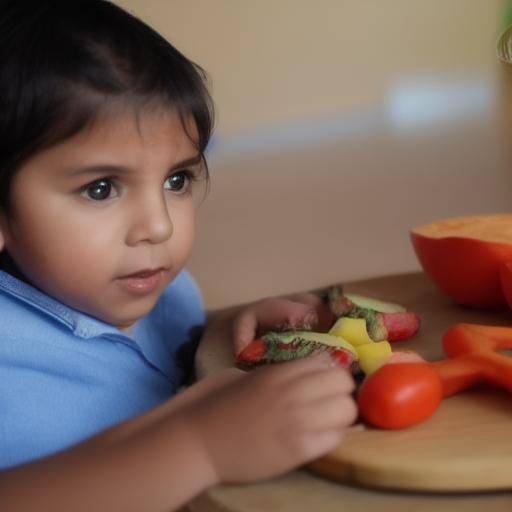
Independence is a fundamental value in education, as it allows students to develop life skills. However, fostering independence in students can be a challenge. In this article, we will explore effective strategies to promote independence in students, understanding their importance, implications in the educational field and their relevance in the current world. We will also address frequent questions on this issue, providing detailed and insightful answers.
Introduction
Promoting student independence is crucial for their integral development. By promoting autonomy and decision-making, it contributes to the formation of capable, safe and prepared individuals to face the challenges of life. In this article, we will explore various strategies that educators, parents and leaders can use to cultivate independence in students. In addition, we will address the importance of this approach in the current educational context and its impact on the development of valuable skills for the future.
History and Background
The promotion of independence in students has deep historical roots in pedagogy. Since the first educational theories, the importance of fostering autonomy and self-regulation in young people has been recognized.
Throughout history, educational approaches have been developed that have emphasized the integral formation of students, promoting independence as a fundamental pillar of the educational process. From ancient Greek schools to contemporary pedagogical currents, it has sought to enhance the ability of individuals to make informed decisions and assume responsibilities.
Deep analysis
The promotion of student independence entails many benefits, but it also poses significant challenges. It is essential to understand in depth how this approach influences the development of students' cognitive, emotional and social skills. In addition, it is important to analyse current trends and prospects for the future in this area.
Promoting independence in students can have a positive impact on their self-esteem, intrinsic motivation and ability to solve problems. However, there are challenges related to overprotection, rigid academic standards and social expectations that can hinder this process.
Comprehensive review
The promotion of independence in students is realized through different educational approaches and practices. It is essential to examine carefully the strategies and methods that have proved effective in the empowerment of autonomy and independence in the educational field. In addition, it is important to analyze the opinions of experts and future projections in this field.
In order to promote independence in students, it is essential to employ pedagogical strategies that promote decision-making, problem solving and self-learning. The creation of an educational environment that fosters exploration, experimentation and self-learning is positioned as one of the most effective practices to cultivate independence in students.
Comparative analysis
Promoting student independence is closely linked to pedagogical strategies and educational approaches. It is vital to compare and identify similarities, differences and possible synergies among the various strategies used to promote independence in students.
Practical Tips and Recommendations
Industry Perspectives and Expert Reviews
It is essential to incorporate the perspectives of experts in the field of education and the psychology of development to enrich the approach of promoting independence in students. Analyzing future trends and implications provides an integral view of the importance and impact of this approach on education.
Case Studies and Practical Applications
The presentation of detailed study cases allows evidence of the effectiveness of various strategies to promote student independence. Analyzing the results and lessons learned from these practical applications offers valuable lessons to educators and educational leaders.
Future Trends and Predictions
The future of promoting independence in students is a growing issue. By exploring emerging trends and making informed predictions, we can anticipate the possible developments and challenges that this approach will face in the educational field.
Conclusions and FAQs
Conclusions
In short, fostering independence in students is essential for their comprehensive development. Through effective strategies and a comprehensive approach to education, students ' autonomy and decision-making can be enhanced by preparing them to meet the challenges of the future with strong trust and skills.
Frequently asked questions
1. Why is it important to promote independence in students?
Fostering independence in students allows them to develop self-management, decision-making and problem solving skills, preparing them to face future challenges effectively.
2. What strategies are effective in promoting independence in students?
Effective strategies include promoting self-regulation, providing self-learning opportunities, and promoting an educational environment that values informed decision-making.
3. How can educators foster independence in students?
Educators can foster independence in students by offering self-management opportunities, fostering exploration and experimentation, and providing gradual support as students develop their independence skills.
4. What are the potential challenges in fostering independence in students?
Some challenges include over-protection, excessive academic expectations, and social pressures that can limit students' ability to develop their independence.
5. How can the promotion of independence in students prepare them for the future?
The promotion of independence prepares students to face future challenges, promoting resilience, informed decision-making, and the ability to adapt to different situations with confidence.
6. What are future trends in promoting independence in students?
Future trends point to a greater emphasis on the development of self-regulation skills, personalized learning, and the integration of technology as a tool to enhance student independence.
As we explore these strategies, practical applications and future perspectives, it is clear that the promotion of independence in students is essential to prepare them comprehensively for the future. By implementing effective strategies and promoting an educational environment that values autonomy, we can contribute significantly to the development of capable, safe and prepared individuals to face the challenges of the present and future world.