Diversity is a fundamental feature of contemporary society, and promoting dialogue on it in the family is essential to develop mutual understanding and acceptance. In this article, we will explore the importance of fostering dialogue on diversity within the family and provide practical strategies to do so effectively.
The Importance of Dialogue and Diversity in the Family
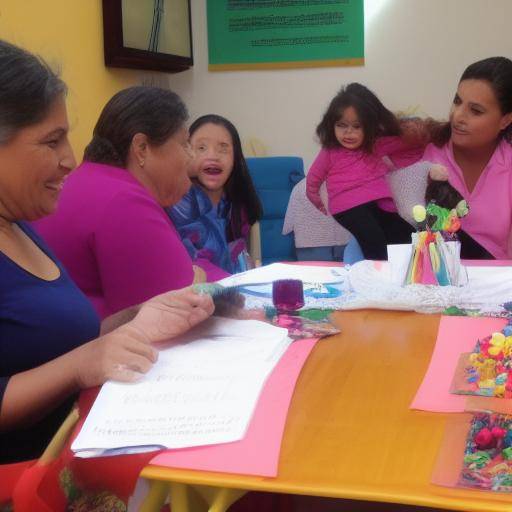
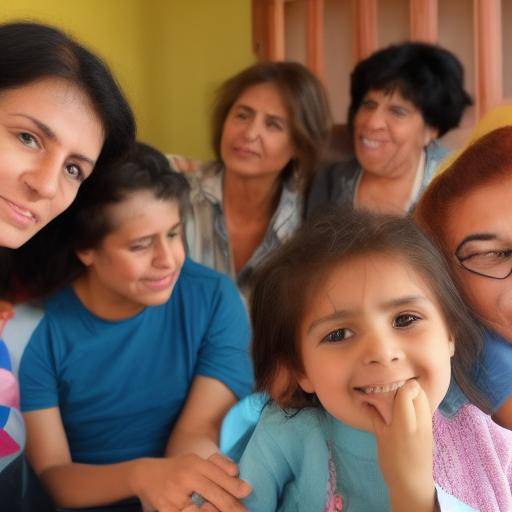
The dialogue on diversity in the family is crucial to promoting values of respect, inclusion and empathy. In fostering this dialogue, an environment is created in which each family member feels valued, respected and understood, regardless of their individual differences. This not only strengthens family ties, but also prepares younger members for positive interaction in diverse environments outside the home.
The Historical and Social Impact of Family Diversity
Diversity in families has deep historical roots and has evolved significantly over time. From traditional family structures to current ones, diversity has played a crucial role in the configuration of society. Cultural, ethnic, religious and gender differences have been points of conflict but also of enrichment in family history.
We will explore how the dialogue on diversity has been influenced by key historical events, as well as by the evolution of society in general. In addition, we will deepen the relevant figures and milestones that have contributed to understanding and promoting diversity in the family.
Analysis in Deep the Benefits and Challenges of the Diversity Dialogue
The dialogue on diversity in the family entails a number of significant benefits, such as promoting self-esteem, promoting tolerance and developing intercultural skills. However, it also faces challenges, such as resistance to change and incomprehension of differences.
In addition to a deep analysis, we will examine these benefits and challenges from different perspectives, incorporating statistics, case studies and real examples that illustrate their impact on family unity.
Practical Strategies for Promoting the Dialogue on Diversity in the Family
Education and Family Sensitization
Education and awareness-raising are key to promoting dialogue on diversity in the family. Since an early age, it is important to inculcate family members with the importance of recognizing and respecting differences. This can be achieved through educational activities, case analysis and targeted discussions.
Create an Open and Respectful Space
The establishment of an open and respectful space is essential to foster honest conversations about family diversity. Members should feel safe to express their opinions, ask questions and share their personal experiences without fear of judgment or criticism.
Promote active listening and empathy
Promoting active listening and empathy is essential for effective dialogue on diversity in the family. Each member must be heard and understood, which in turn fosters an atmosphere of openness and mutual understanding.
Conclusion
In short, fostering dialogue on diversity in the family is a fundamental step towards building an inclusive and enriching family environment. In addressing diversity from an early age and promoting mutual respect, they lay the foundation for family members not only to accept, but also to celebrate, differences.
FAQs
Why is it important to foster dialogue on diversity in the family?
It is crucial to promote values of respect, inclusion and empathy, and prepares younger members for positive interaction in diverse environments outside the home.
What are some practical strategies for fostering dialogue on diversity in the family?
Some practical strategies include education and family awareness, the creation of an open and respectful space, and the promotion of active listening and empathy.
How has family diversity evolved throughout history?
Family diversity has evolved significantly over time, influenced by key historical events and the evolution of society in general.
What are some benefits from the diversity dialogue in the family?
The dialogue on diversity in the family brings significant benefits, such as promoting self-esteem, promoting tolerance and developing intercultural skills.
What are the challenges associated with the dialogue on diversity in the family?
Some challenges include resistance to change and incomprehension of differences, which can be addressed through continuous education and awareness.
How can mutual respect and acceptance of family differences be promoted?
Promoting an open and respectful space, as well as encouraging active listening and empathy, are key to promoting mutual respect and acceptance of family differences.
What is the social impact of diversity on the family?
Diversity in families has had a significant impact on the configuration of society throughout history, both in terms of conflict and cultural enrichment.
Conclusion:
In short, fostering dialogue on diversity in the family is essential for cultivating an environment of respect, acceptance and mutual understanding. By promoting practical strategies, they lay the foundation for effective dialogue that enriches family unity and prepares its members for harmonious coexistence in a diverse and constantly evolving society. Lore ipsum pain sit amet, consectetur adipiscing elit, sed do eiusmod tempor incididunt ut labore et dolore magna aliqua. Ut enim ad minim veniam, quis nostrud exercitation ullamco laboris nisi ut aliquip ex ea commodo consequat. Duis aute irure pain in reprehenderit in voluptate velit esse cillum dolore eu fugiat nulla pariatur. Excepteur sint occaecat cupidatat non proident, sunt in culpa qui officia deserunt mollit anim id est laborum.