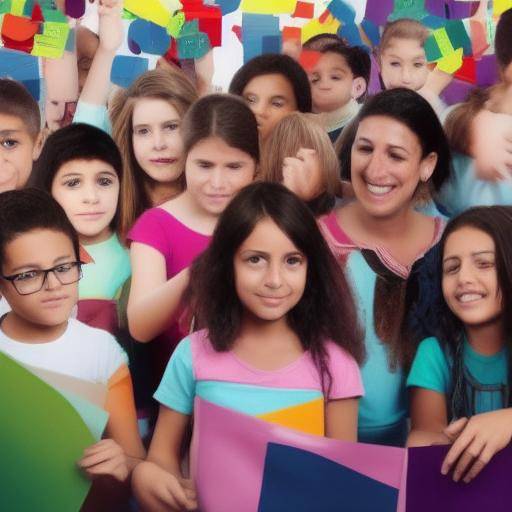
Emotional education is a crucial aspect of student growth and development. In a constantly evolving society, it is essential that schools address not only the academic aspect, but also the emotional aspect to prepare students for the challenges of the real world. In this article, we will thoroughly explore how to teach emotional education in schools, understanding the importance of educating and strengthening students' emotions for their overall well-being and future success.
Importance of Emotional Education
The term "education and emotions" encompasses the relationship between emotional development and the educational process. Emotional education seeks to equip students with skills to understand and regulate their emotions, develop empathy, establish positive relationships and make responsible decisions. This holistic approach not only contributes to personal well-being, but also to academic performance and good coexistence in the school environment.
History and Evolution of Emotional Education
Emotional education has its roots in the 1960s, and its evolution has been marked by significant milestones in understanding emotional development and its impact on learning. From the first studies of pioneer psychologists to the inclusion of emotional education in current educational programmes, its importance has been increasingly recognized.
Current Benefits and Challenges of Emotional Education
Effective implementation of emotional education faces challenges such as teacher training, curriculum integration and impact assessment. However, many studies support their benefits, such as reducing school harassment, improving school climate, building resilience and improving academic performance.
Practice of Emotional Education in Schools
Successful integration of emotional education in the school environment requires specific strategies and approaches, such as the implementation of formal programmes, the creation of emotionally healthy learning environments and the active participation of parents and teachers.
- Implementation of Formal Programs
The formal emotional education programs can be incorporated into the school curriculum in a transversal way, providing students with concrete tools for emotional management, conflict resolution and healthy relationships.
- Creating Emotionally Healthy Learning Environments
The design of school environments that promote emotional expression, empathy and collaboration is essential for the integral development of students. Tools such as meditation, peaceful conflict resolution and the development of emotional intelligence can be integrated into the daily life of the school.
- Active Participation of Parents and Teachers
Collaboration between teachers, parents and the community is key to the success of emotional education. Strategies such as workshops for parents, teacher training and the inclusion of emotional education in school-family communication are essential to strengthening emotional support both inside and outside the school.
Education and Emotions vs Emotional Education vs School Education
As we deepen this issue, it is important to differentiate between the terms of education and emotions, emotional education and teaching in schools. While education and emotions relate to the relationship between education and emotional development, emotional education focuses specifically on the development of emotional skills, while teaching in schools covers the practical application of these concepts in the educational environment.
- Similarities, Differences and Synergies
Exploring the similarities and differences between these concepts allows us to better understand their interrelationship and the importance of their integration into the educational system. Identify synergies between education and emotions, emotional education and school teaching allows to develop more comprehensive and effective approaches to promote emotional well-being and academic success of students.
Practical Tips and Accessible Recommendations
Some practical tips for the successful implementation of emotional education include the provision of resources and continuous support, the promotion of emotional authenticity in the school environment, and the promotion of self-reflection and self-care among students.
- Resources and Continuous Support
Ensuring that teachers have the necessary resources, both material and training, to effectively implement emotional education is fundamental. In addition, providing continuous support and additional training can strengthen your commitment to this educational dimension.
- Promoting Emotional Authenticity
Creating an environment where students feel safe to express emotions authentically and free from judgments is essential for emotional development. Stimulating emotional openness encourages empathy and understanding among members of the educational community.
- Promotion of Self-Reflection and Self-Quality
Including practices that promote self-reflection and self-care, such as the space for meditation, stress management and conflict resolution constructively, can empower students to face emotional challenges with greater confidence and skills.
Perceptions of Experts and Future Trends
By collecting the perceptions of experts in emotional education, we can glimpse future trends and challenges in the implementation of emotional education in schools. These perspectives are key to anticipating future educational needs and developing innovative strategies to address them.
Conclusion
In short, emotional education is a fundamental pillar in the integral formation of students, and its effective implementation offers a host of long-term benefits. By integrating practical strategies, active participation of the educational community and a holistic approach, schools can become spaces conducive to the emotional development and academic success of their students.
Frequently asked questions
What role does emotional education play in the formation of responsible and empathic citizens?
Emotional education plays a crucial role in the formation of responsible and empathic citizens by promoting skills such as emotional awareness, empathy, ethical decision-making and peaceful conflict resolution. These fundamental skills contribute to the creation of a more cohesive and solidarity society.
How can teachers integrate emotional education into the various curriculum areas?
Teachers can integrate emotional education into the various curriculum areas by including activities that promote emotional intelligence, the development of social and emotional skills, and reflection on the emotional impact of the learning process.
What are the most common challenges in implementing emotional education in schools?
Some common challenges in the implementation of emotional education in schools include resistance to change, teacher training, curriculum integration, impact assessment and collaboration with parents and the community.
How can emotional education contribute to the overall well-being of students?
Emotional education contributes to the overall well-being of students by strengthening their emotional intelligence, fostering self-consciousness, emotional self-regulation and managing interpersonal relationships. These skills are fundamental to the effective management of stress, the development of healthy relationships and informed decision-making.
What are some effective strategies to promote empathy among students?
To promote empathy among students, strategies such as promoting the perspective of others, promoting collaboration and community service, developing empathy through literature and art, and practicing actively listening and putting yourself at the place of the other can be implemented.
How can emotional education contribute to student academic performance?
Emotional education can contribute to student academic performance by promoting skills such as self-management, resilience, concentration and effective communication. These skills are essential for academic success, as they enable students to face challenges, regulate their emotions and maintain a positive approach to learning.
Emotional education in schools represents an investment in the well-being and comprehensive development of students. By cultivating emotional skills from early ages, schools not only prepare students to face personal and academic challenges, but also contribute to the formation of autonomous, empathetic and prepared individuals to face a changing world.