With the growth and development of children, it is essential to inculcate key emotional skills for their mental and social well-being throughout their lives. Emotional intelligence, education and emotions, as well as the process of teaching these skills can make a big difference in the future of children. In this extensive article, we will thoroughly explore how to teach emotional intelligence to children, the importance of emotional education and effective strategies to integrate these skills into their development. We will also address frequent questions and provide expert-backed practical advice.
Introduction
The emotional intelligence, popularized by Daniel Goleman in the 1990s, refers to the ability to recognize, understand and manage one's own and other emotions. This ability is essential to foster healthy personal relationships, make effective decisions and manage stress. In the context of childhood, emotional intelligence plays a crucial role in the development of social skills, self-consciousness and emotional resilience. It is therefore essential to understand how to teach emotional intelligence to children to promote their integral well-being.
History and Background of Emotional Intelligence
The history of emotional intelligence dates back to the 1980s, when psychologists Peter Salovey and John D. Mayer began to develop the concept. Subsequently, Daniel Goleman popularized the term with the publication of his book "Emotional Intelligence" in 1995, generating a major impact on psychology and education.
Over the past few years, emotional intelligence has been gaining recognition in various areas, from education to business. This has led to the inclusion of emotional education programs in schools and to a greater assessment of soft skills in the world of work. Evolution of emotional intelligence has led to a deeper understanding of the importance of fostering emotional development in the early stages of life.
Deep Analysis of Emotional Education
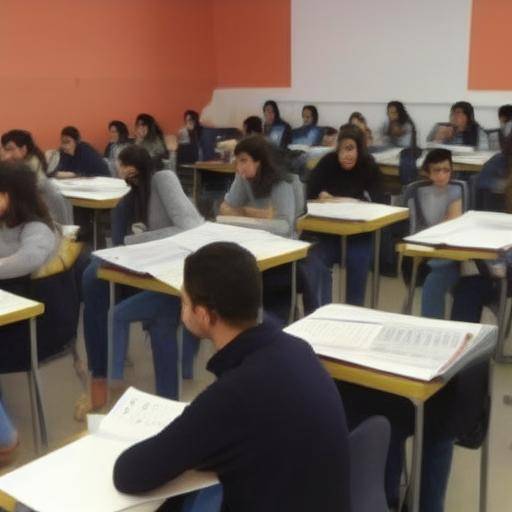
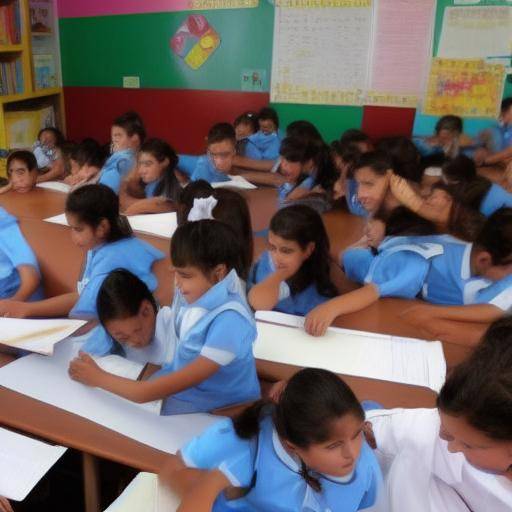
Emotional education encompasses a wide range of activities and programs designed to help children understand and manage their emotions. By integrating emotional education into the school curriculum, topics such as empathy, self-regulation and conflict management can be addressed. The benefits of emotional education are significant, as it has been shown to improve academic performance, reduce disruptive behaviour and promote positive interpersonal relationships.
However, effective implementation of emotional education faces challenges, such as institutional resistance and the need for specialized teacher training. Despite this, current trends indicate an increasing acceptance and assessment of emotional education in educational and community settings.
Comprehensive Review of the Teaching of Emotional Intelligence to Children
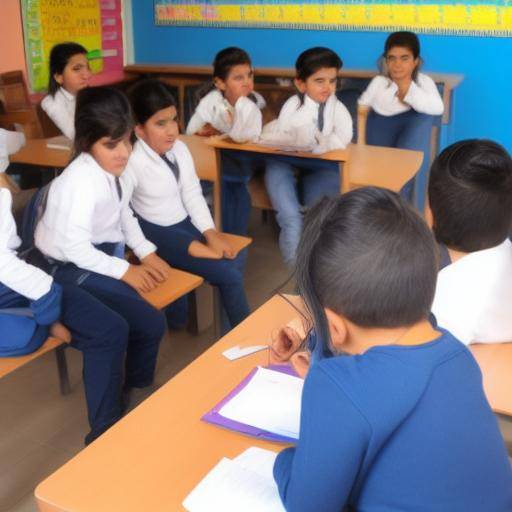
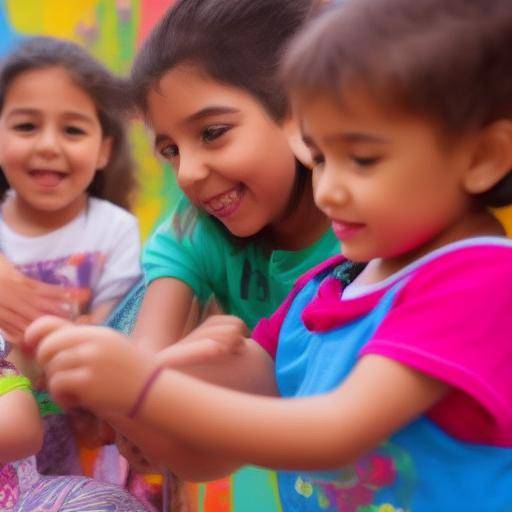
Teaching emotional intelligence to children is based on interactive strategies, play activities and models to follow. Effective methods include fostering empathy through playing situations, modeling emotionally intelligent behaviors by adults, and joint conflict resolution.
Studies show that children who have received instruction in emotional intelligence show greater ability to regulate their emotions, resist group pressure and help others in times of conflict. This underlines the importance of integrating the teaching of emotional intelligence into educational and family environments.
Comparative Analysis of Emotional Intelligence, Education and Teaching
Emotional intelligence, emotional education and the teaching of these skills are intrinsically interconnected. Emotional intelligence is intrinsic capacity, emotional education refers to the acquisition of emotional skills through instruction, and teaching is the active process of transmitting and facilitating the development of emotional intelligence. These elements are intertwined to create an enabling environment that promotes the integral development of children.
Practical Tips and Accessible Tips
Integrating emotional intelligence into the daily life of children can be done by simple steps. Some practical tips include:
- Promote empathy through storytelling that address emotional situations.
- Modeling emotional self-regulation in everyday interactions with children.
- Teach conflict resolution strategies through roles and guided discussions.
- Offer constructive feedback that promotes emotional growth and self-esteem.
Integrating these strategies into the home and school can have a significant impact on the emotional development of children.
Perceptions of Industry and Expert Reviews
Highlighted experts in child psychology and education have emphasized the importance of emotional intelligence in the development of life skills. Dr. Mary Ainsworth, a pioneer in the study of child attachment, stressed the need for an emotionally safe environment for the optimal development of children. Similarly, Howard Gardner, known for his theory of multiple intelligences, has advocated the inclusion of emotional intelligence in educational systems.
These perspectives support the importance of emotional intelligence in child development and underline the need to provide adequate emotional support in educational and family settings.
Case Studies and Real World Applications
The impact of emotional intelligence is evident in numerous case studies that show how emotional education has transformed the lives of children. From schools that have implemented emotional education programs to communities that have prioritized the development of social skills, the examples of the real world highlight the positive results of teaching emotional intelligence to children.
The case of "X" school in a disadvantaged community is an inspiring example of how the inclusion of emotional intelligence in the school curriculum has improved self-esteem, reduced school harassment and promoted a positive school climate.
Future Trends and Predictions
As awareness of the importance of emotional intelligence continues to grow, significant progress is likely to be made in integrating emotional education into global educational systems. In addition, the development of tools and resources for the teaching of emotional intelligence will continue to evolve, offering new opportunities for the emotional flourishing of children.
It is predicted that emotional intelligence will be increasingly valued in society, leading to greater attention to emotional education and the implementation of programs aimed at promoting the emotional well-being of children.
Conclusions
In short, the teaching of emotional intelligence to children is a crucial company that impacts on multiple aspects of their lives. From the history and evolution of emotional intelligence to its practical application, this article has broken down the importance of emotional education in childhood. By adopting effective strategies and providing a favourable environment, adults can play a key role in developing healthy emotional skills in children.
Frequently asked questions
**1. What is the importance of teaching emotional intelligence to children?**Teaching emotional intelligence to children is crucial, as it provides them with the skills necessary to properly manage their emotions, establish healthy relationships and make informed decisions.
**2. At what stage of a child's life should emotional intelligence skills be introduced?**The introduction of emotional intelligence skills can begin from the early stages of life, as instilling these skills from the early days lays the foundation for integral development.
**3. How can parents foster emotional intelligence at home?**Parents can foster emotional intelligence in the home by being models to follow, speaking openly about emotions and teaching self-regulation strategies.
**4. What are the long-term benefits of teaching emotional intelligence to children?**Long-term benefits include increased emotional resilience, effective communication skills and healthier interpersonal relationships throughout life.
**5. What is the role of emotional intelligence in children's academic performance?**Emotional intelligence has been linked to improved academic performance, as emotional management skills help children focus, manage stress and establish positive relationships with their peers and teachers.
**6. Can emotional education be implemented in school and preschool settings successfully?**Yes, emotional education has proven to be effective in school and preschool settings, providing children with tools to understand and manage their emotions from an early age.
In conclusion, the teaching of emotional intelligence to children is a fundamental aspect of child development that plays a crucial role in their long-term well-being. By understanding the importance of emotional intelligence, emotional education and teaching strategies, adults can form an enabling environment for positive emotional growth in children.
With solid information backed by the experience of experts in the field, this article provides an integral insight into how to teach emotional intelligence to children. By following these guidelines and tips, readers will be better prepared to effectively engage in the development of children's emotional intelligence, providing them with the tools necessary for an emotionally healthy and successful future.