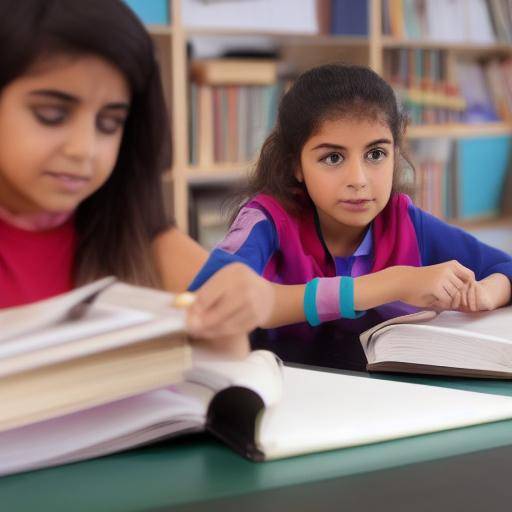
Emotions play a crucial role in the educational process, influencing the learning, academic performance and well-being of students. For this reason, it is essential that educators be equipped with effective strategies to manage emotions in the classroom. In this article, we will thoroughly explore the best practices, challenges and current trends in emotional education. In addition, we will provide practical advice, case studies, and expert opinions to provide an integral view of this topic so relevant in the educational environment.
Introduction
Emotions play a fundamental role in the lives of students and in their academic performance. The ability to manage emotions effectively not only promotes a healthier learning environment, but also contributes to the integral development of students. In the school environment, educators play a key role in managing emotions, helping students understand, regulate and express their feelings constructively.
In this regard, it is vital for teachers to know and implement effective strategies to promote emotional intelligence among their students. Throughout this article, we will examine in detail the most relevant strategies, their impact on the classroom, and how they can contribute to the emotional and academic development of students.
History and Background
To understand the importance of strategies to manage emotions in the classroom, it is crucial to explore the evolution of emotional education over time. From Ancient Greece, where the connection between reason and emotion was valued, to contemporary approaches based on psychology and neuroscience, the history of emotional education offers an enriching perspective on its importance in the educational field.
Ancient Greece: The Origin of Reason-Emotion Connection
Greek philosophers, including Plato and Aristotle, recognized the influence of emotions in thought and decision-making. The idea of balancing reason with emotion became a key foundation for epochal education.
20th Century: Auge of Psychology and Emotional Education
Throughout the twentieth century, cognitive psychology and modern pedagogy influenced the understanding of emotions in the educational context. Howard Gardner's theory of multiple intelligences and Lev Vygotsky's constructivist approach provided new perspectives on the role of emotions in learning.
News: Integration of Neuroscience and Emotional Education
At present, the integration of neuroscience has provided a scientific approach to understanding emotions and their impact on learning. Studies on the emotional brain have revealed the importance of addressing emotions in the educational context, thus promoting the implementation of effective strategies in the classroom.
Analysis in Deep
The management of the emotions in the classroom brings significant benefits to the teaching-learning process, however, it also poses important challenges and considerations that require attention. We will explore these aspects in detail, providing analysis, statistics and concrete examples that demonstrate the relevance and impact of emotional strategies in the educational environment.
Comprehensive review
The implementation of effective strategies to manage the emotions in the classroom requires a comprehensive approach that includes case studies, best practices and expert perspectives. Through a thorough analysis, we will evaluate the scope and effectiveness of these strategies, offering a transparent vision of their application in diverse educational environments.
Comparative analysis
Compare and contrast the different strategies to manage the emotions in the classroom is essential to identify effective approaches and adapt them to the specific needs of students and educational contexts. In deepening these comparisons, we can highlight the similarities, differences and synergies between strategies, thus providing a clearer understanding of their applicability.
Practical Tips and Accessible Recommendations
Providing practical advice and actionable recommendations is essential for educators to effectively implement emotional management strategies in their classrooms. Through detailed and explanatory lists, we will provide clear steps that teachers can follow to foster an emotionally healthy environment conducive to learning.
Perceptions of Industry and Expert Reviews
Collecting and presenting perceptions of experts in the educational industry in relation to strategies to manage emotions in the classroom will offer an enriching perspective on current and future trends. By including interviews and expert appointments, we will enrich the content, thus providing a more complete view of the topic.
Case Studies and Real Life Applications
Analyzing detailed cases that illustrate the practical application of strategies to manage emotions in real educational environments will provide concrete examples of their impact and effectiveness. Through an in-depth analysis of these cases, readers can understand more clearly how these strategies can transform the educational environment.
Future Trends and Predictions
Explore emerging trends related to strategies to manage classroom emotions and offer future predictions based on current data and expert opinions will provide a prospective view of their evolution. By identifying challenges and opportunities, we can provide valuable information on the future of emotional education.
Conclusion
Effective management of the emotions in the classroom is a crucial element in promoting the emotional well-being and academic performance of students. Throughout this article, we have explored the most relevant strategies, their practical application, potential impact and future trends in the field of emotional education.
Frequently asked questions
What is the importance of strategies to manage emotions in the classroom?
Strategies to manage the emotions in the classroom are key to promoting a healthy learning environment, fostering the emotional well-being of students and improving their academic performance.
How can educators effectively implement strategies to manage emotions in the classroom?
Educators can effectively implement strategies to manage the emotions in the classroom by developing emotional intelligence skills, promoting empathy and effective communication, and integrating activities that foster self-knowledge and emotional self-regulation.
What are the common challenges associated with implementing strategies to manage emotions in the classroom?
Common challenges associated with the implementation of strategies to manage the emotions in the classroom include resistance to change, the identification of effective approaches for different groups of students, and the integration of these strategies into the existing academic curriculum.
What impact do strategies have to manage the emotions in the classroom in the long term?
Strategies to manage the emotions in the classroom have a significant impact in the long term, promoting lasting emotional skills, improving interpersonal relationships, and contributing to the integral well-being of students as they advance in their education and adult life.
How can the educational community support the implementation of strategies to manage emotions in the classroom?
The educational community can support the implementation of strategies to manage the emotions in the classroom by providing resources and training in emotional intelligence for educators, the enhancement of learning environments that promote emotional expression and constructive conflict resolution, and collaboration with experts in psychology and emotional well-being to enrich educational practices.
What are some specific strategies that educators can implement to manage emotions in the classroom?
Some specific strategies that educators can implement to manage the emotions in the classroom include the practice of full attention, the promotion of empathy through activities of emotional understanding, the integration of moments for emotional expression and reflection, and the promotion of self-consciousness and emotional self-regulation.
Conclusion
The effective management of the emotions in the classroom is essential to create a welcoming, constructive and enriching learning environment. Through the implementation of effective strategies, educators not only promote the emotional well-being of students, but also contribute significantly to their academic success and comprehensive development. By applying the strategies discussed in this article and fostering a proactive approach to emotional management in the educational environment, educators can cultivate an environment conducive to the emotional and academic growth of their students.
By continuing to explore new perspectives, updates on best practices and the evolution of the field of emotional education, educators can play a key role in the continued development of effective emotional strategies and in the preparation of students for the future.