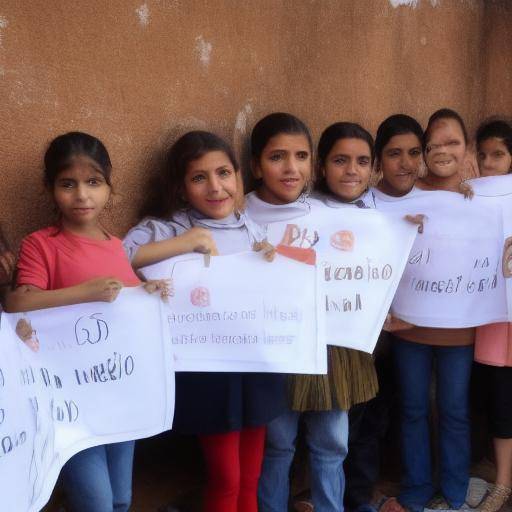
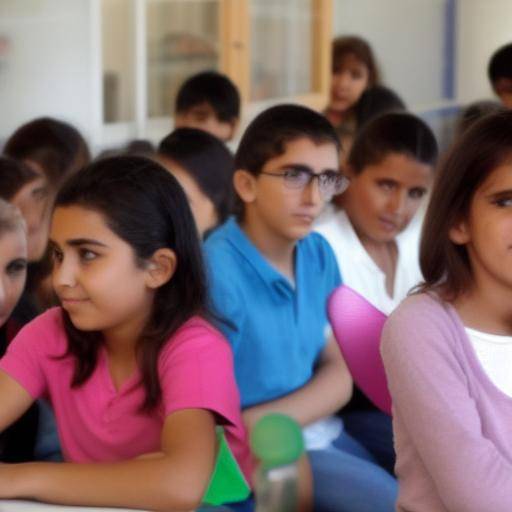
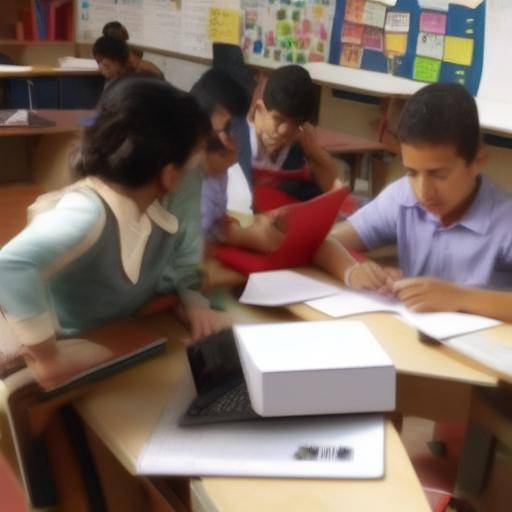
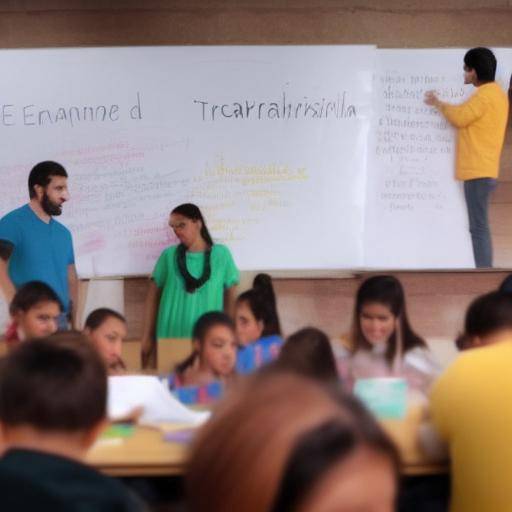
Inclusive education is a teaching approach that recognizes the diversity of students and seeks to eliminate barriers to learning and participation. This approach promotes equity, respect and acceptance of all people, regardless of their differences. In this article, we will explore the key resources and strategies for inclusive education, as well as its importance and benefits. In addition, we will provide information on how to effectively implement these practices.
Introduction
Inclusive education is a philosophy that recognizes the diversity of students and advocates for educational environments that encompass and respect individual differences. In an increasingly diverse global context, inclusive education has become critical to promoting equity and equitable access to education. In this article, we will explore the resources and strategies for the effective implementation of inclusive education, as well as its impact on students, educators and society at large.
History and Background
Inclusive education has evolved throughout history, from segregated approaches to systems that seek the full and equal participation of all students. Over the years, significant milestones have been achieved that have shaped inclusive education, from legislation to social movements. Some of these milestones include the Salamanca Declaration in 1994, which pushed the movement for inclusive education internationally, as well as the paradigm shift from special education to inclusive education.
Deep analysis
Inclusive education offers a wide range of benefits for both students and society at large. By providing an environment in which all students can learn together, a sense of community, respect and mutual understanding is encouraged. However, it also presents challenges, such as the need to adapt teaching methods and resources to meet the individual needs of students. It is essential to address these challenges with effective inclusive strategies.
Comprehensive review
The effective implementation of inclusive education requires the adoption of specific strategies and resources that encourage the participation and learning of all students. This may include curricular adaptations, the use of support technologies, the development of accessible learning environments and teacher training in inclusive approaches. In addressing these aspects in a comprehensive manner, an educational environment that values and respects diversity is promoted, benefiting the entire school community.
Comparative analysis
Inclusive education, inclusive strategies and educational resources are closely interrelated, as all aim to promote the participation and equitable learning of all students. While inclusive education represents the overall approach to creating environments that encompass diversity, inclusive strategies and educational resources are the concrete tools and practices that enable the effective implementation of this approach. It is crucial to understand how these elements interact to optimize educational results.
Practical Tips and Recommendations
In implementing inclusive education, it is essential to have practical guidelines and concrete recommendations to ensure their effectiveness. Educators can benefit from specific strategies, such as curriculum differentiation, training assessments and universal learning design. In addition, the use of accessible and adaptive educational tools and resources can enrich the learning experience for all students, regardless of their individual capabilities or characteristics.
Sectoral Information and Expert Reviews
Inclusive education experts provide valuable information on current and future trends in this field, as well as on the effective implementation of inclusive strategies and educational resources. Their views and expertise can guide educators, administrators and policymakers in creating inclusive and equitable educational environments.
Case Studies and Real Life Applications
Case studies showing specific applications of inclusive education, inclusive strategies and educational resources provide tangible examples of how these approaches can benefit students and the educational community in general. These cases allow us to analyze results, identify good practices and draw valuable lessons that can guide the successful implementation of inclusive education in different contexts.
Future Trends and Predictions
The field of inclusive education continues to evolve, and it is crucial to be aware of emerging trends and future predictions related to this approach. From advances in educational technology to changes in pedagogical policies and practices, understanding future trends can help prepare educators and decision makers to address challenges and take advantage of future opportunities.
Conclusion
Inclusive education, together with inclusive strategies and educational resources, plays a crucial role in creating educational environments that value and respect diversity. By promoting equity and the full participation of all students, inclusive education contributes to building more just and cohesive societies. By implementing effective inclusive strategies and taking advantage of appropriate educational resources, we can ensure that all students have the opportunity to reach their full potential.
Frequently asked questions
What is inclusive education and why is it important?
Inclusive education is an educational approach that recognizes and values the diversity of students, promoting the full and equal participation of all, regardless of their individual characteristics. It is important because it ensures that all students have access to quality education, promoting equity and respect for diversity.
What are some effective inclusive strategies to implement in the classroom?
Some effective inclusive strategies include the differentiation of the curriculum to suit the individual needs of students, the use of varied teaching methods and collaboration with support professionals to meet the specific needs of students.
How can adaptive educational resources benefit students with special needs?
Adaptive educational resources can benefit students with special needs by providing them with tools and materials that fit their learning skills and styles, enabling them to participate actively in the educational process and maximize their learning potential.
What is the role of educators in the implementation of inclusive education?
Educators play a key role in the implementation of inclusive education by creating a welcoming and accessible learning environment, adapting their teaching practices to meet the individual needs of students, and fostering an environment of respect and acceptance of diversity.
What impact does inclusive education have on society in general?
Inclusive education contributes to building a more equitable and understanding society by promoting acceptance and respect for diversity, preparing students for life in a diverse society and promoting the active participation of all members of the educational community.
What are the most common challenges in the implementation of inclusive education?
Some common challenges in the implementation of inclusive education include resistance to change, lack of resources and support, the need for additional training for educators, and overcoming environmental and social barriers that hinder the full participation of all students.
In addressing these frequent questions, we provide detailed and insightful information that addresses different aspects and nuances related to inclusive education, inclusive strategies and educational resources. This approach helps readers better understand these concepts and get clear answers to common questions on the subject.
This article provides an integral vision of inclusive education, inclusive strategies and educational resources, from its history and evolution to its practical application and its future impact.
By incorporating a variety of topics, approaches and resources, this article seeks to provide the reader with a complete understanding of inclusive education and to equip it with the knowledge and tools necessary to implement effective inclusive strategies.
In short, this article on resources and strategies for inclusive education aims to provide a comprehensive and authorised guide to understand, implement and promote inclusive education and its components. In addressing these issues in a comprehensive manner, it is hoped that this article will inspire readers to adopt inclusive practices and advocate for educational environments that value diversity and promote the equal participation of all students.