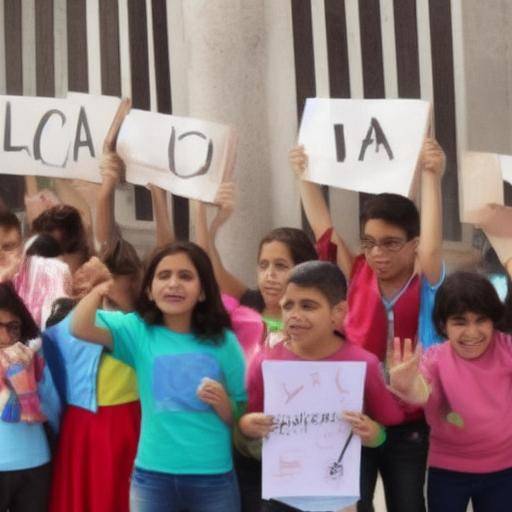
Inclusive education has become a central theme in the educational field, with an approach to creating learning environments that meet the individual needs of all students, including those with special needs. In this article, we will explore effective strategies for the inclusion of students with special needs, addressing not only the importance of inclusive education, but also the specific strategies that educators can implement to ensure that all students have the opportunity to learn and grow in an equitable educational environment. In addition, we will analyze the different special needs that students can present and how strategies can adapt to meet these needs effectively.
History and Background
Inclusive education has its roots in social movements that advocated equal opportunities for persons with disabilities. Throughout history, significant progress has been made in promoting educational inclusion. Laws and policies have been established that support the rights of students with special needs to receive quality education in inclusive settings.
As awareness of the importance of inclusion has increased, strategies and programmes have been implemented to support diversity in classrooms. These efforts have led to significant progress in addressing the education of students with special needs, promoting a focus on individual capacities and strengths.
Detailed Analysis
Inclusive education not only benefits students with special needs, but also enriches the educational experience of all students by fostering empathy, diversity and mutual respect. However, it also presents challenges that must be effectively addressed to ensure its successful implementation.
The use of technology in inclusive education has proven to be a powerful tool to support the learning of students with special needs, providing resources and adaptive tools that meet their individual requirements.
Comprehensive review
The inclusion of students with special needs in regular educational settings requires customized strategies that meet the specific needs of each student. These strategies should focus on creating accessible learning environments, identifying individualized support and working with families and professionals.
Comparative analysis
Inclusive education and the development of strategies for students with special needs should be addressed comprehensively, considering academic, social and emotional aspects. Although similarities exist in the implementation of strategies, each special need requires a unique approach to ensure that the individual needs of students are met.
Practical Tips and Accessible Advice
Teacher Tips:
- Promote collaboration among support professionals.
- Adapt the curriculum to meet different learning needs.
Adaptation of the School Environment:
- Ensure that facilities are accessible to all students.
- Provide adaptive resources and materials according to individual needs.
Industry Perspectives and Expert Reviews
Inclusive education experts highlight the importance of adopting a focus on the strength and capacities of students rather than focusing on their limitations. Collaboration between professionals, families and the community at large is critical to ensuring the success of inclusive education.
Case Studies and Real Life Applications
Success cases:
- Implementation of mentoring programs for students with special needs.
- Use of adaptive technology to support personalized learning.
Future Trends and Predictions
The future of inclusive education focuses on the development of more effective inclusive practices, the use of technological advances to support personalized learning and the promotion of diversity-setting educational environments. The approach to inclusion is expected to continue to evolve, with a greater emphasis on the active participation of students in their educational process and the promotion of self-determination.
Conclusion
Inclusive education and strategies to include students with special needs are critical to ensuring that all students have the opportunity to reach their full potential. By embracing diversity and promoting inclusive educational environments, we are not only training tomorrow's leaders, but we are also cultivating a more equitable and compassionate society.
Frequently asked questions
1. What is the importance of inclusive education for students with special needs?
Inclusive education not only provides equitable learning opportunities, but also promotes acceptance and respect for diversity.
2. What challenges can arise when implementing strategies for students with special needs?
The implementation of strategies for students with special needs can face challenges such as resistance to change, lack of resources and the need for continuous adaptations.
3. How can educators adapt the curriculum to address the individual needs of students with special needs?
Educators can adapt the curriculum through the provision of adaptive materials and resources, the implementation of differentiated assessments and collaboration with support professionals.
4. What technological advances have been successfully used to support inclusive education for students with special needs?
Technologies such as voice-to-text software, adaptive educational applications and support devices have proven to be effective in supporting the learning of students with special needs.
5. How can parents support inclusive education for their children with special needs?
Parents can support inclusive education by actively participating in their children ' s educational planning, collaborating with educators and seeking additional resources and support where necessary.
6. What are the emerging trends in inclusive education and strategies for students with special needs?
Emerging trends include a greater focus on personalized learning, promoting student self-determination and using technology to facilitate access and participation.
As we continue to move towards a future in which diversity is celebrated and equity in education is a reality, effective implementation of strategies to include students with special needs will continue to play a crucial role in building inclusive educational environments and in supporting the academic and personal success of all students.