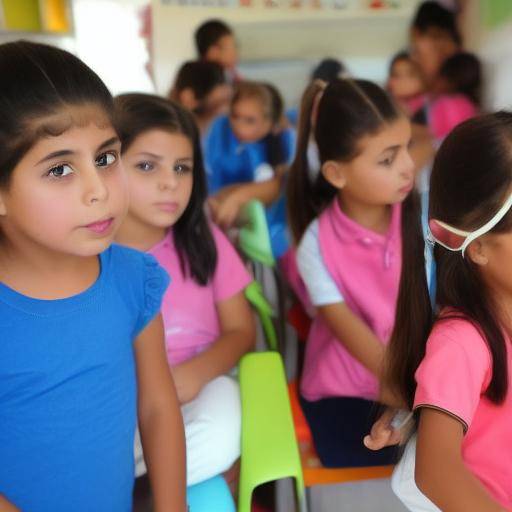
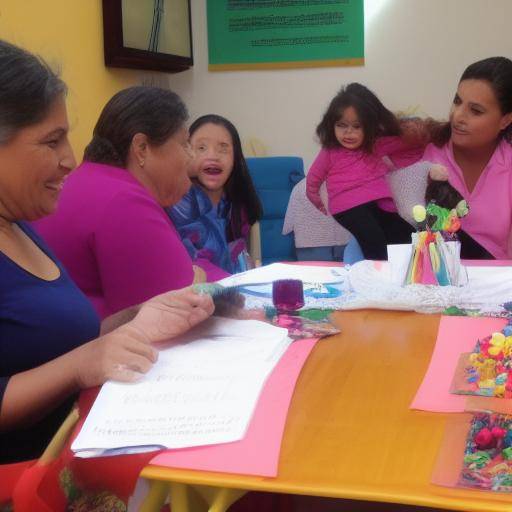
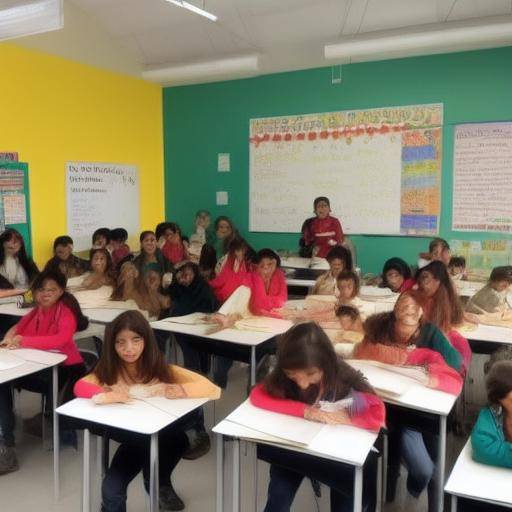
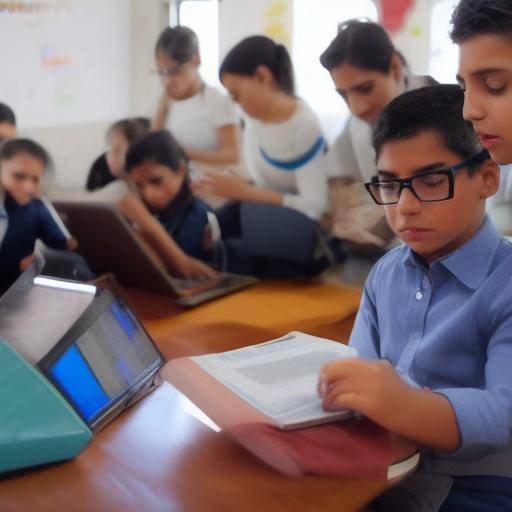
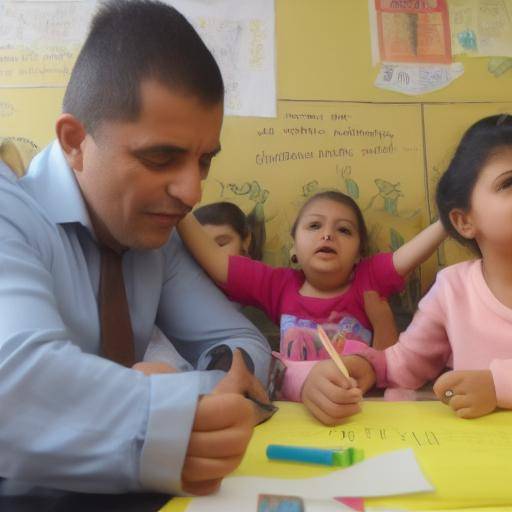
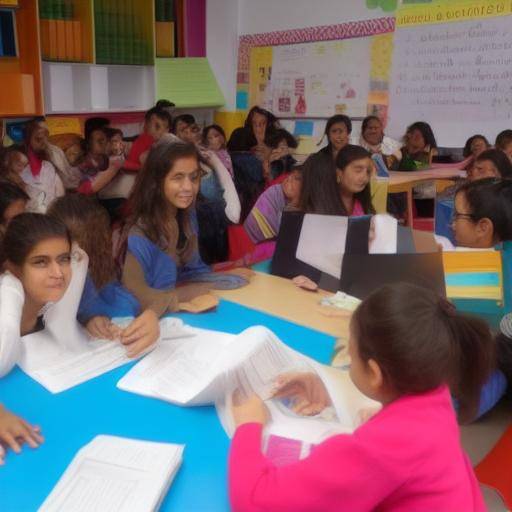
Promoting diversity at school is essential to develop an inclusive educational environment that provides equitable opportunities and respects individual differences. In this article, we will explore in depth the concept of inclusive education, the importance of diversity in the educational field and how schools can foster a welcoming and enriching environment for all students.
Introduction
The concept of inclusive education focuses on ensuring that all students, regardless of their background, abilities or personal characteristics, have access to quality education. This approach is rooted in the notion of respect for diversity and equal opportunities. Promoting diversity in school is essential for the integral development of students and for the construction of a more just and equitable society.
What is Inclusive Education?
Inclusive education is a pedagogical approach that recognizes the diversity of students and seeks to eliminate barriers that prevent their participation and effective learning. It focuses on adapting educational processes to meet the individual needs of each student, providing support and resources for everyone to have the opportunity to develop their full potential.
Origins and Evolution of Inclusive Education
The movement towards inclusive education has its roots in the struggle for civil rights and equal opportunities for all. It emerged as a response to segregationist and discriminatory practices that historically marginalized certain groups of students in the educational system.
In the 1970s, significant progress was made in promoting inclusive education, with the emergence of laws and policies that ensured access for all students to quality education. Since then, educational strategies and approaches have been developed to promote diversity in the educational field.
Benefits of Inclusive Education
Inclusive education brings countless benefits to both students and society as a whole. By fostering an environment of respect and acceptance of diversity, it promotes the development of social skills and empathy, preparing students to live in a multicultural society.
Importance of Diversity at the School
Diversity at school is essential to enrich the educational process, provide different views and experiences, and prepare students to face the challenges of a globalized world. Interaction with people from different cultures, ethnic origins, abilities and sexual orientation contributes to the formation of conscious, tolerant and respectful citizens.
Promoting Diversity in the Classroom
Integrating diversity into the classroom involves fostering intercultural dialogue, celebrating the traditions and customs of each student, and creating an environment in which everyone feels valued and respected. Educators play a crucial role in fostering respect for diversity and providing opportunities for students to share their experiences and knowledge.
Challenges and Opportunities
While diversity at school brings countless benefits, it also poses challenges in terms of intercultural understanding, conflict management and adaptation of pedagogical strategies to the needs of each student. Addressing these challenges effectively requires an active commitment by the entire educational community.
Strategies for Promoting Diversity in the Education Area
Promoting diversity in the educational field involves the implementation of policies, programmes and practices that reflect and celebrate the diversity of the school community. Here are some effective strategies:
1. Diverse Educational Materials
Using educational materials that reflect diverse cultures, languages and life experiences can help students see diversity as a positive value. This includes books, videos, games and activities that promote inclusion and respect.
2. Staff training
Training educators and school staff on issues of interculturality and diversity is essential to creating an inclusive environment. Training should include strategies to manage diversity in the classroom and foster an environment of mutual respect and understanding.
3. Celebrations and Cultural Events
Organizing celebrations and events that recognize and celebrate the cultural diversity of students can foster a sense of belonging and pride. These events may include cultural festivals, thematic weeks and presentations on different traditions and customs.
4. Inclusive policies
Developing and implementing school policies that promote inclusiveness and equal opportunities for all students is critical. This includes anti-discrimination policies, support programmes for students of various backgrounds and measures to ensure equal participation in all school activities.
5. Involve the Community
Engaging parents and the community in the educational process can strengthen the promotion of diversity. Collaboration with community organizations and local leaders can provide additional resources and support for inclusive initiatives.
6. Safe and Support Spaces
Creating safe spaces where students can express their identities and experiences without fear of being judged is crucial. These spaces may include support groups, mentoring programs and extracurricular activities that encourage inclusion.
Conclusion
Promoting diversity at school is essential to creating an inclusive educational environment that provides equitable opportunities and respects individual differences. Through effective strategies and an active commitment by the entire educational community, it is possible to foster a welcoming and enriching environment for all students. The diversity in school not only enriches the educational experience, but also prepares students to be conscious and respectful citizens in a globalized society.