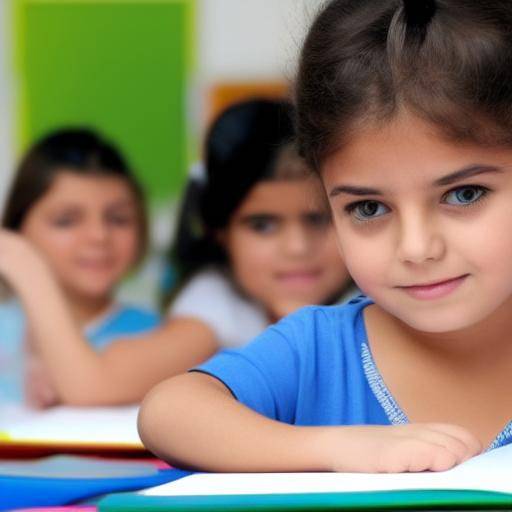
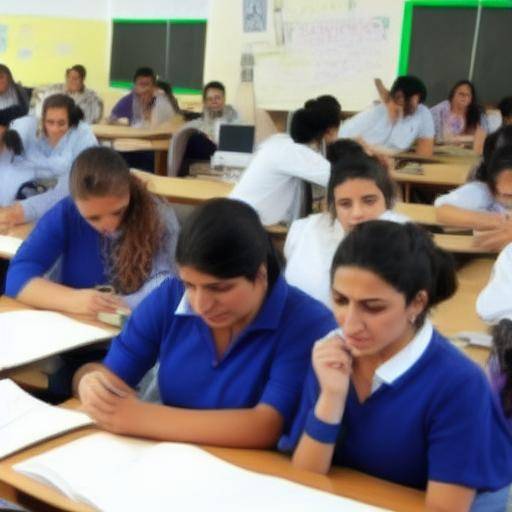
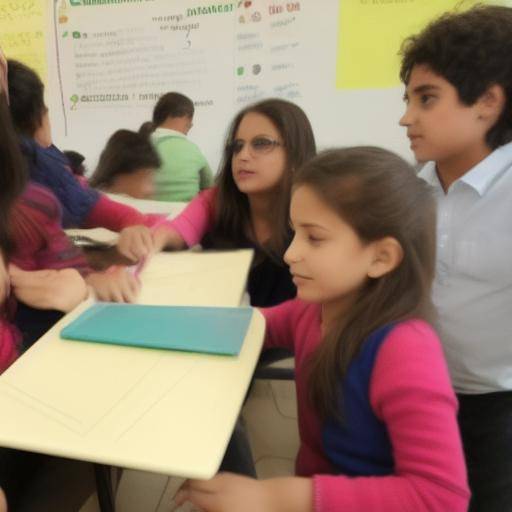
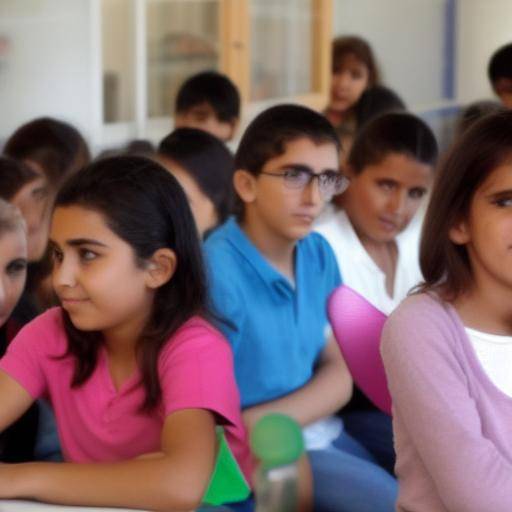
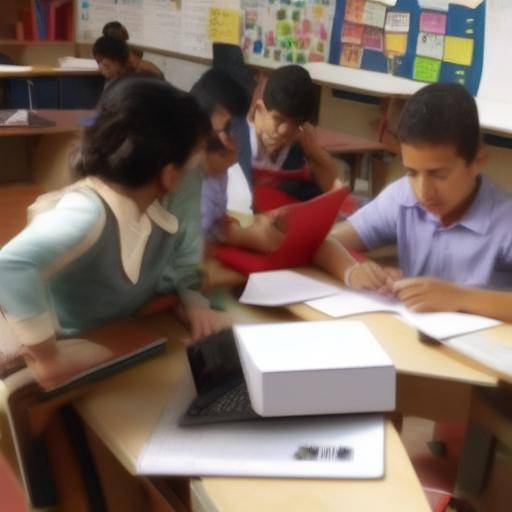
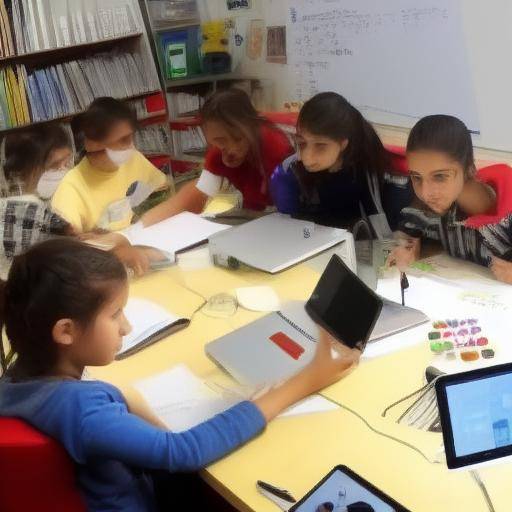
Inclusive education is a topic of great relevance today, as it promotes the integration of all students, regardless of their abilities or conditions, into common educational environments. In this article, we will thoroughly explore the benefits that inclusion in the educational environment can offer, together with its impact on the academic, social and emotional development of students. In addition, we will analyse best practices, current challenges and future forecasts in this area.
Introduction
Inclusive education refers to the practice of ensuring that all students have equal opportunities to receive quality education in inclusive and diverse school environments. In contemplating diversity as a resource rather than an obstacle, respect, empathy and understanding among students is encouraged, preparing them for a more inclusive and equitable society.
History and Background
Inclusive education has its roots in civil rights movements that fought for equal opportunities in education for all children. Throughout history, different milestones have marked the path to educational inclusion, such as the Salamanca Declaration in 1994, which promoted education for all children, regardless of their abilities. These historic advances have laid the foundation for the implementation of inclusive policies in educational systems around the world.
Deep analysis
The inclusion in the educational environment not only benefits students with disabilities, but also enriches the educational experience of all students, fostering acceptance, diversity and collaboration. Many studies have shown that inclusive education promotes the social, emotional and academic development of students, preparing them to face the challenges of the real world more effectively.
Comprehensive review
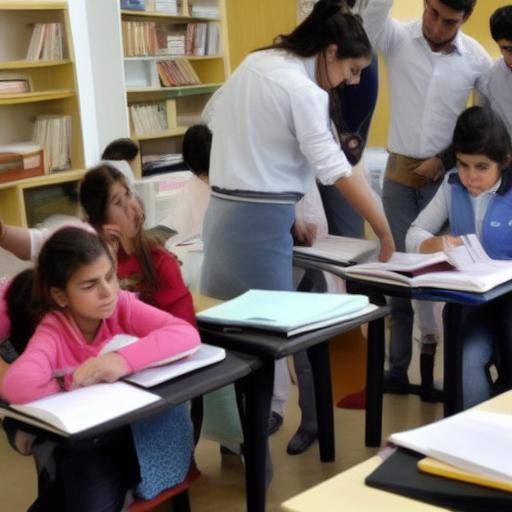
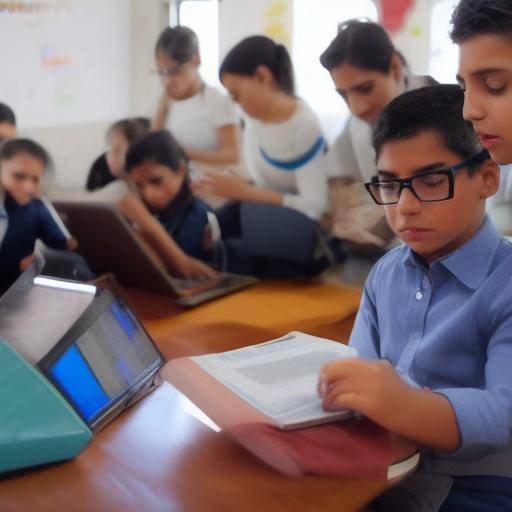
The application of inclusive and adaptive strategies in the classroom allows students with learning difficulties or disabilities to participate fully in school life, which in turn promotes a sense of belonging, self-esteem and mutual respect among all students.
Comparative analysis
By comparing inclusive education with traditional educational approaches, it is evident that inclusion promotes diversity as an asset, enriching learning and fostering mental openness among students. While segregated approaches can perpetuate stigma and barriers, inclusive education works towards equal opportunities, awareness and equity.
Practical Tips and Accessible Tips
For educators, it is essential to develop inclusive strategies that address the different needs of students, fostering an environment in which everyone feels valued and supported in their learning. The establishment of clear expectations, open communication and the use of adaptive resources are key elements in promoting effective educational inclusion.
Industry Perspectives and Expert Reviews
Education experts emphasize that inclusion in the educational environment not only benefits students individually, but also contributes to building more just and inclusive societies. The successful implementation of inclusive education requires a collective commitment by teachers, managers, families and communities to ensure that all students have the opportunity to achieve their full potential.
Case Studies and Practical Applications
Through case studies, the positive impacts of inclusive education on the lives of students are evident, highlighting the value of active participation, individualized support and collaboration among all those involved in the educational environment.
Future Trends and Predictions
With the continued momentum towards educational inclusion, inclusive practices are expected to become a standard in global educational systems. The development of policies and curricula vitae that recognize and value diversity, as well as the strengthening of teacher training programmes aimed at inclusive education, are crucial steps to ensure a more equitable and enriching future for all students.
Conclusion
In conclusion, inclusion in the educational environment entails countless benefits that go beyond the academic sphere, positively impacting on the integral development of students and the construction of more just and inclusive societies. The effective implementation of inclusive education requires a continuous commitment to diversity, equity and respect, thus laying the foundations for an educational future in which all students have the opportunity to achieve their full potential.
Frequently asked questions
**1. What are the main benefits of inclusive education?**Inclusive education promotes the social, emotional and academic development of students, fosters acceptance of diversity, and prepares students for an inclusive and equitable society.
**2. What are the main challenges of the implementation of inclusive education?**Some challenges include the need to adapt educational resources and strategies, continuing teacher training, and the creation of truly inclusive educational environments.
**3. How can educators promote inclusion in the classroom?**Educators can promote inclusion through the use of adaptive strategies, the promotion of an environment of respect and collaboration, and attention to the individual needs of students.
**4. What is the long-term impact of inclusive education on society?**Inclusive education promotes more just, equitable and comprehensive societies by preparing students for collaboration and mutual respect in a diverse environment.
**5. What role do families play in promoting inclusive education?**Families play a crucial role in supporting and working with educators to ensure that their children ' s needs are addressed in inclusive educational settings.
**6. What are future trends in inclusive education?**Future trends are expected to include greater emphasis on teacher training in inclusive education, as well as the development of more inclusive education policies at the global level.
With the effective implementation of inclusive education, they lay the foundation for a more inclusive, equitable and enriching society, in which all students have the opportunity to fully develop in educational settings that value and respect diversity.