Introduction
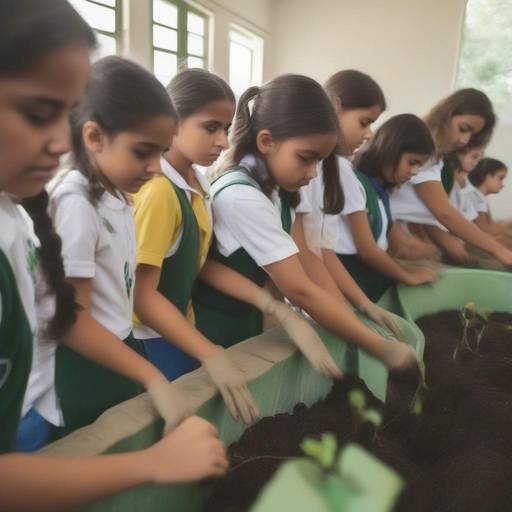
Creating an ecological school garden is a wonderful way to promote environmental education, connect students with nature and promote sustainability. In this guide, we will explore step by step how to design, implement and maintain an ecological school garden that will not only beautify your school, but also provide countless educational and environmental benefits. From planning to practical activities, we will discover how to transform green space into a living classroom for students of all ages.
History and Background
The concept of school gardens has profound historical roots dating back to ancient civilizations. In ancient Greece, for example, schools had gardens where students studied philosophy while connecting with nature. However, the modern approach in ecological school gardens arises from the growing environmental awareness in the twentieth century.
The environmental education movement has led to renewed interest in ecological school gardens. Studies have shown that these spaces not only promote sustainability, but also improve the health and well-being of students. With the growing problem of disconnecting nature among young people, ecological school gardens have emerged as a practical and effective solution to reconnect students with the natural environment.
Detailed Analysis
Ecological school gardens offer a wide range of benefits, from improving academic performance to promoting environmentally responsible behaviour. In addition, they provide a versatile space to integrate curriculum concepts into science, mathematics, art and more. However, they face challenges in terms of long-term planning, financing and maintenance. It is crucial to address these challenges to ensure the long-term success of an ecological school garden.
Full review
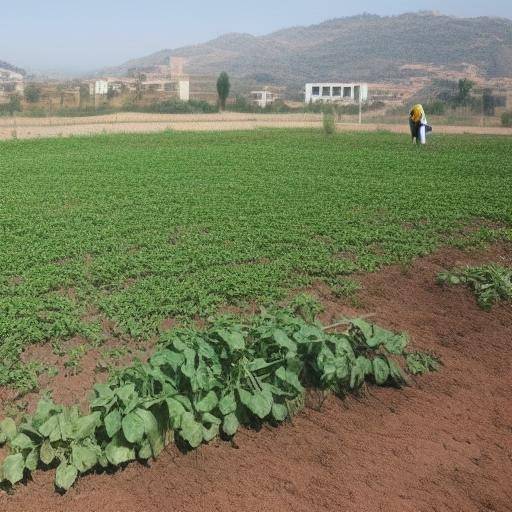
Ecological school gardens have diverse applications and are adaptable to different educational environments. From urban schools to rural institutions, school gardens offer unique opportunities for students to learn about the interconnection between plants, animals and humans. Access to an outdoor space also benefits students' overall health by fostering an active lifestyle.
Comparative analysis
Comparatively, a traditional school garden focuses on embellishing the school environment, while an ecological school garden goes beyond integrating a sustainable and educational approach. Environmental education merges with natural beauty, creating an inspiring and educational environment for students. Both types of gardens offer valuable learning opportunities, but ecological school gardens have a more holistic approach to sustainability and respect for the environment.
Practical Tips and Accessible Tips
Creating a successful ecological school garden requires careful planning and implementation. From designing plantation spaces to establishing composting areas, each step must be considered meticulously to ensure an educational and sustainable environment. Here are some practical tips to start:
- Involve students in garden design.
- Choose native plants to promote biodiversity.
- Incorporate sustainable waste management practices.
Industry Perspectives and Expert Reviews
Experts on environmental education and sustainability highlight the importance of ecological school gardens as powerful educational tools. Teachers, landscapers and environmental experts advocate the integration of ecological school gardens into the curriculum to promote long-term environmental awareness and sustainability. Ecological school gardens are considered essential to inspire the next generation to become environmental defenders.
Case Studies and Real Applications
Real case studies offer an invaluable insight into how ecological school gardens have positively impacted educational communities. From improvements in academic performance to community strengthening, ecological school gardens have proven to be valuable educational and community assets.
Future Trends and Predictions
With the growing focus on the sustainability and importance of environmental education, ecological school gardens are expected to become a common feature in schools around the world. Schools are expected to increasingly integrate ecological strategies into their educational programmes to create future generations committed to environmental conservation.
Conclusion
Ecological school gardens are much more than beautiful green spaces. They are vital educational tools that promote a deeper connection with nature, promote environmental awareness and nourish curious minds. By creating and maintaining an ecological school garden, schools can enrich their educational programs and prepare students to be responsible and environmentally conscious citizens.
Frequently asked questions
How can you get funding to create an ecological school garden?
Creating an ecological school garden often requires initial funding, which can come from educational grants, sponsorships of local businesses, community donations and fundraising events.
What additional benefits does an ecological school garden provide for student education?
In addition to raising environmental awareness, an ecological school garden can improve academic performance by providing interdisciplinary practical experiences. It also promotes the health and well-being of students by fostering outdoor activity.
What are the essential elements for the sustainable maintenance of an ecological school garden?
Sustainable maintenance of an ecological school garden involves waste management practices, water conservation, choice of native plants, use of organic fertilizer and promotion of biodiversity.
What role do teachers play in integrating an ecological school garden into the curriculum?
Teachers play a crucial role in using the ecological school garden as an extension of the classroom. They can incorporate practical lessons and educational activities based on the garden environment to enrich the learning experience of students.
What impact does an ecological school garden have on the school and local community?
An ecological school garden can strengthen the school community by encouraging the participation of parents, students and community members in garden-related activities. It can also serve as a valuable educational resource for the local community.
What is the role of students in the maintenance and care of the ecological school garden?
Engaging students in the maintenance and care of the ecological school garden fosters a sense of environmental responsibility and provides opportunities for practical learning and leadership skills development.
Creating a Successful Ecological Garden
With these elements in mind, you can create a valuable and complete guide for the implementation and maintenance of an ecological school garden. The focus on environmental education, sustainability and community involvement is crucial for the long-term success of an ecological school garden.