Introduction
Love for nature is fundamental to the well-being of the planet and its inhabitants. In today ' s world, where conservation of the environment is a priority, fostering this love from an early age is crucial. In this article, we will explore various activities and strategies to promote this love and environmental education, providing a way to a more conscious and committed society to caring for our natural environment.
History and Background
The concept of love for nature has profound historical roots in cultures around the world. From ancient civilizations that worship nature as a divine force, to modern environmental conservation movements, the relationship between the human being and the natural world has constantly evolved. Great figures such as John Muir, Rachel Carson and Jacques-Yves Cousteau have played crucial roles in environmental awareness, laying the foundations for contemporary activities promoting love for nature.
Analysis in Deep
Love for nature brings countless benefits at the personal, social and environmental levels. Research shows that people who enjoy nature tend to have greater emotional, physical and mental well-being. In addition, developing a deep connection with nature promotes conservation attitudes and respect for the environment. However, in the modern era, we face significant challenges, such as climate change and biodiversity loss, which require a collective commitment to overcome it.
Comprehensive review
Activities to promote love for nature range from formal education and conservation programmes to individual practices aimed at connecting with the natural environment. This shows that the most effective strategy to inculcate this love and environmental awareness is the implementation of an integral approach that promotes an authentic connection with nature from different spheres of life.
Comparative analysis
Activities that foster love for nature and environmental education present significant similarities and differences. While the former seek to promote a sense of attachment and respect for the natural environment, environmental education focuses on teaching principles and practices for environmental conservation. However, both areas are complemented to build a conscious and active society in the protection of nature.
Practical Tips and Actions
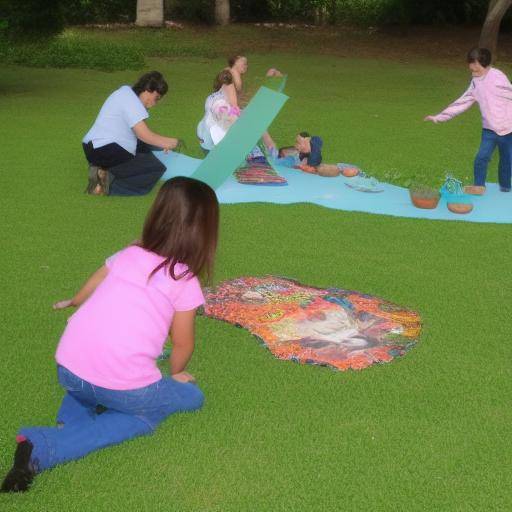
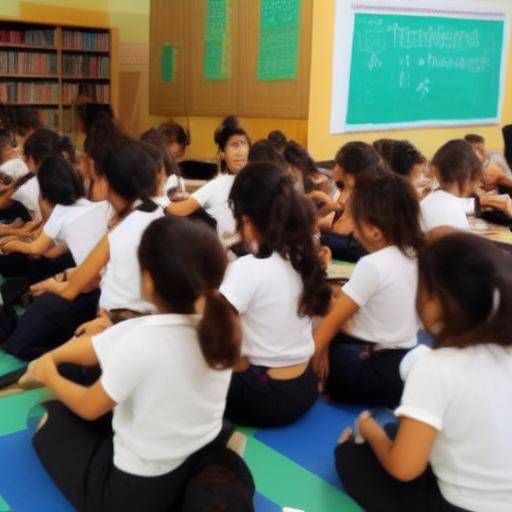
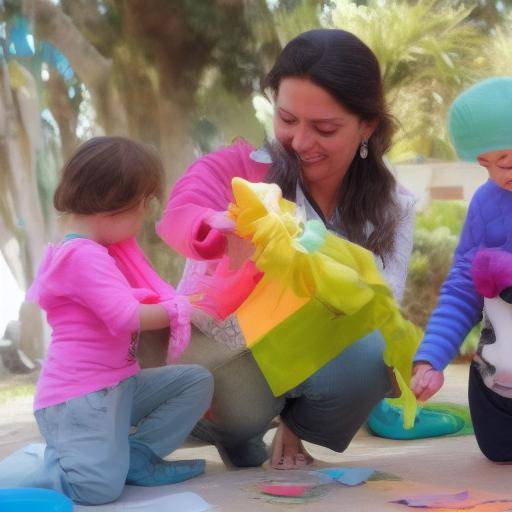
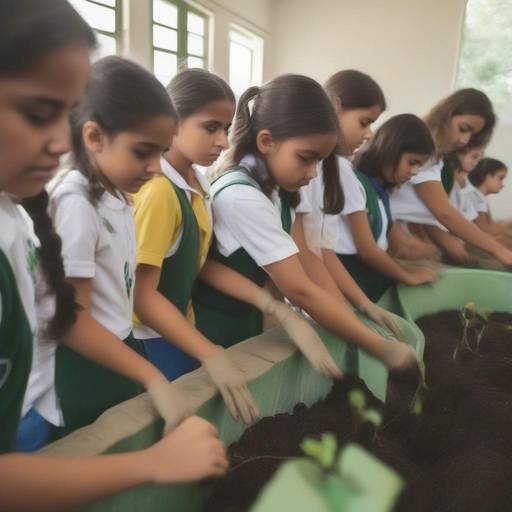
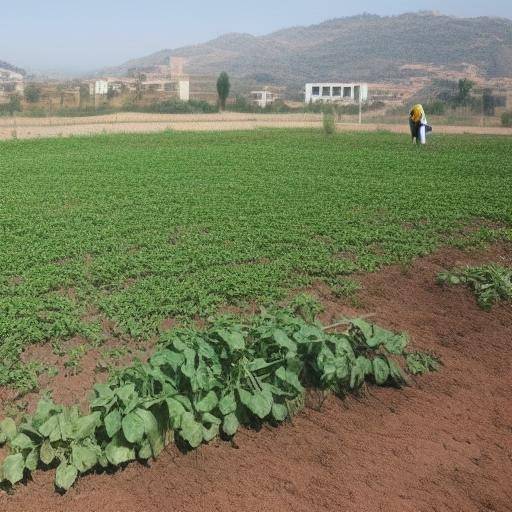
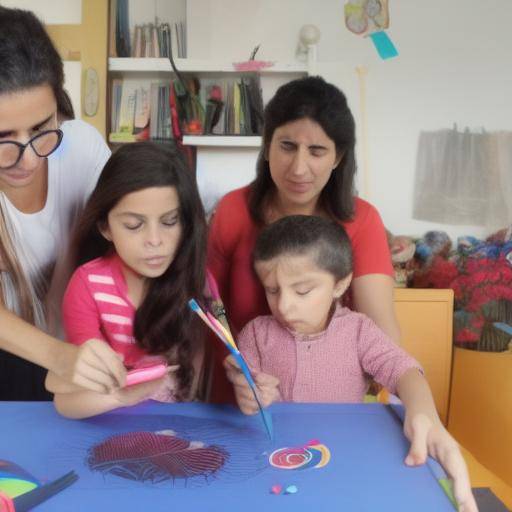
To promote love for nature, it is essential to engage in everyday activities that promote an emotional connection with the natural environment. This can include from walks through parks, gardening, to participation in community conservation projects. Environmental education can also be integrated into the school curriculum and strengthened with sustainability practices at home.
Industry Perspectives and Expert Reviews
Environmental conservation and education experts agree on the importance of promoting love for nature from an early age. They also point to the need to develop innovative strategies that integrate technology and science to generate a significant impact on future generations.
Case Studies and Real Life Applications
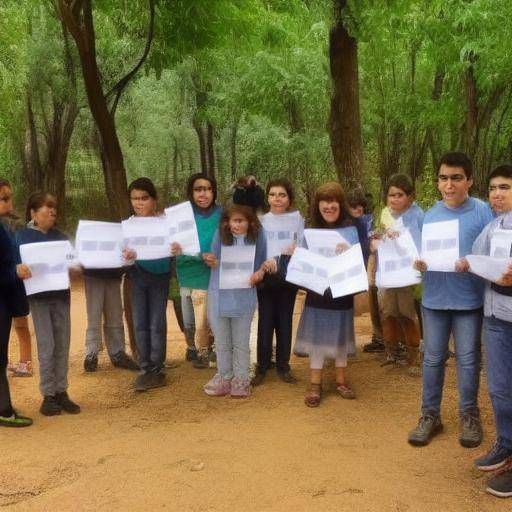
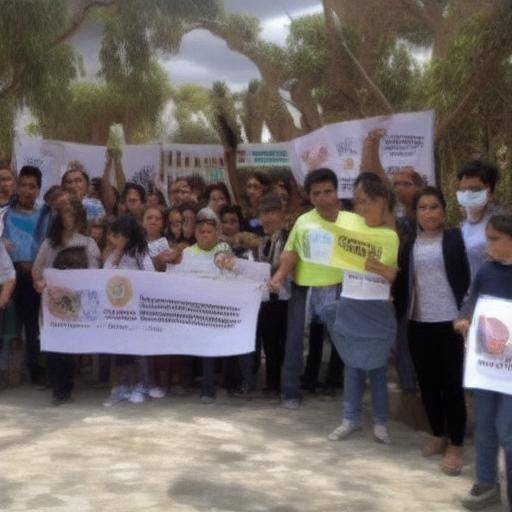
Many cases show how participation in activities that connect people with nature has generated positive changes in attitudes and behaviour towards the environment. From reforestation projects to eco-education programmes, the impact of these initiatives is evident in communities around the world.
Future Trends and Predictions
With the growing awareness of the importance of environmental conservation, activities to promote love for nature and environmental education are expected to continue to expand and evolve. The integration of new technologies and interdisciplinary approaches promises to provide new opportunities to involve communities in protecting the natural environment.
Conclusion
In conclusion, fostering love for nature and environmental education through various activities is essential to creating a society committed to environmental conservation. It is crucial that, as individuals and communities, we recognize the importance of preserving biodiversity, mitigating climate change and protecting ecosystems. Love for nature not only enriches our lives, but also encourages us to assume the responsibility of acting for the planet and future generations.
To further explore this topic, below are some frequent questions that will provide a broader view of love for nature and environmental education.
Frequently asked questions
How can love for nature be encouraged in children?
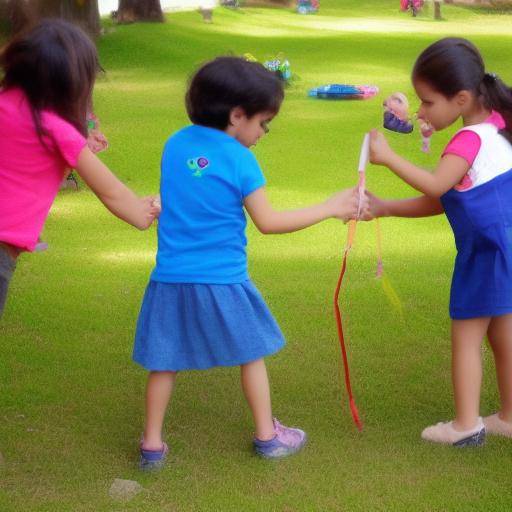
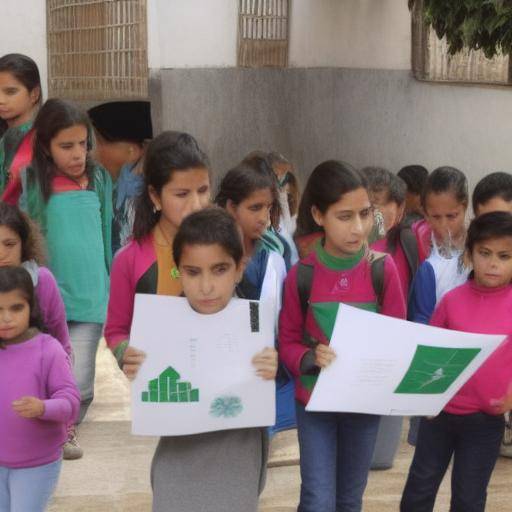
Fostering love for nature in children can be achieved through outdoor activities, wildlife exploration, and educational programmes that emphasize the importance of environmental conservation.
What is the role of environmental education in promoting love for nature?
Environmental education plays a key role in providing knowledge and awareness of environmental challenges and sustainable solutions, which in turn fosters love for nature.
How do activities to foster love for nature contribute to the conservation of the environment?
Activities that promote love for nature create an emotional connection and a sense of responsibility towards the natural environment, which encourages people to participate actively in the conservation of the environment.
What are some practical activities to foster love for nature in everyday life?
Activities such as recycling, gardening, volunteering in environmental restoration projects and participation in outdoor excursions are excellent ways to promote love for nature in everyday life.
How can companies and organizations contribute to the promotion of love for nature?
Companies and organizations can implement corporate social responsibility initiatives, reforestation programs, and sustainable practices to promote love for nature and generate a positive impact on the community.
What is the long-term impact of fostering love for nature in society?
Fostering love for nature in the long term can result in a society more committed to environmental conservation, leading to the protection of biodiversity, the reduction of ecological footprint and the promotion of sustainable development.
Concluding this journey through activities to foster love for nature and environmental education, it is clear that emotional connection with the natural environment is essential to build a conscious and committed society to the protection of the planet. By integrating these practices into everyday life, we can make a difference in the preservation of the environment and global well-being. Let us continue to promote love for nature from all spheres of our life.
Resources and References
Together, let us make love for nature a transforming force in the present world!