In today ' s world, water conservation is of the utmost importance, and teaching children on this issue forms the basis for a sustainable future. Environmental education plays a crucial role in raising awareness among new generations of the importance of caring for the environment and, specifically, the vital resource of water. In this article, we will explore effective strategies to teach children about water conservation, providing practical advice, creative ideas and deep understanding on the subject.
Importance of Environmental Education
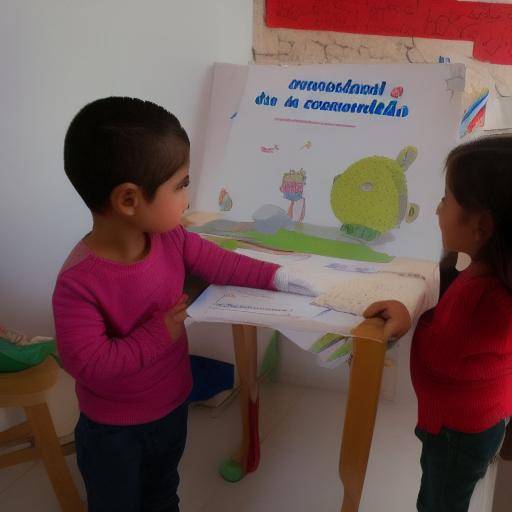
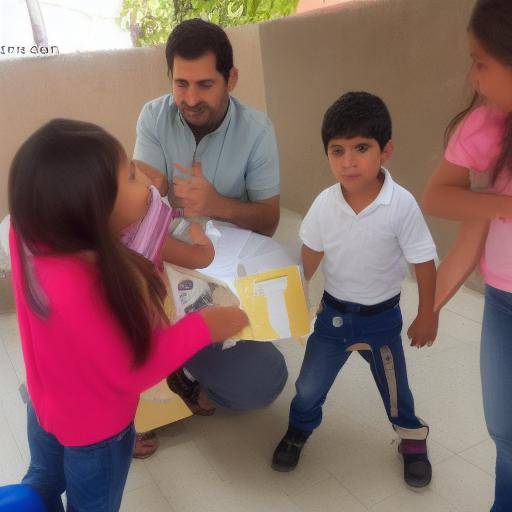
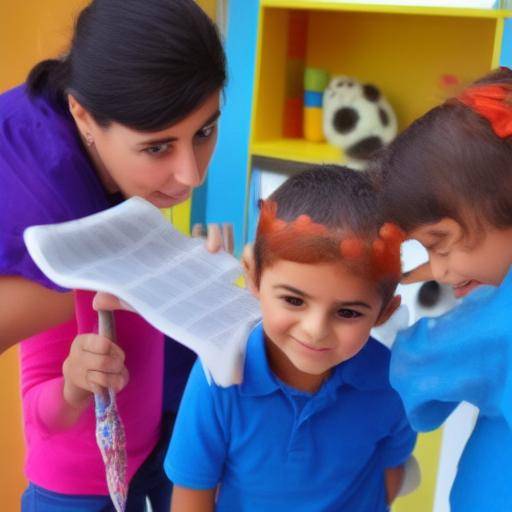
Environmental education is essential to inculcate values of respect and preservation of the environment in future generations. Through interactive methods, educational games and outdoor activities, children can better understand the importance of preserving natural resources, including water. This educational approach can foster pro-environmental attitudes from childhood, laying the foundation for a continuing commitment to the protection of the environment in adult life.
History and Background
Understanding the importance of water conservation dates back to ancient times, where ancient cultures depended on natural sources to survive, emphasizing the need to preserve this vital resource. Throughout history, there have been numerous milestones and progress in water management, from the first irrigation structures to the implementation of wastewater treatment systems in modern times.
Analysis in Deep
In-depth analysis of water conservation involves understanding the benefits associated with its preservation, as well as the challenges we face today. With scientific data and practical examples, it is possible to provide children with a clear perspective on how their everyday actions impact the availability of water on the planet.
Comprehensive review
Exploring the different applications of environmental education in water conservation provides a comprehensive insight into how practical initiatives can be implemented in the school and community environment. In presenting effective strategies and examples of best practices, a clear guide is provided for educators to adopt innovative approaches that involve children in water protection.
Comparative analysis
To compare educational approaches to water conservation with other aspects of environmental education shed light on the interconnection of these issues and how they complement each other. Through concrete examples, it can be demonstrated how water care is intertwined with the protection of flora and fauna, as well as with the sustainable management of natural resources.
Practical Tips and Accessible Tips
Providing readers with a series of practical advice and concrete actions that they can implement in their daily lives is essential to ensuring that information is translated into positive behaviors. From simple suggestions to reduce household water consumption to creative ideas for school projects, these tangible strategies strengthen the positive impact of environmental education on water conservation.
Ideas and Opinions of Experts on Industry
Gathering the views of recognized experts in the field of water conservation and environmental education presents readers with an informed perspective on the current state and future trends in this area. Innovative ideas and advanced strategies can inspire educators to adopt more dynamic and attractive approaches to carry out effective environmental education programmes.
Case Studies and Real Life Applications
Case studies highlighting specific water conservation projects are essential to vividly illustrate the positive impacts that can be achieved through environmental education. When examining different scenarios, from rural communities to urban environments, it is evident how local and global initiatives can generate a significant change in water preservation.
Future Trends and Predictions
Exploring emerging trends related to environmental education and water conservation provides an early insight into the opportunities and challenges that may arise in the future. In considering such aspects as the incorporation of technology in environmental education or innovations in water management, future generations can be prepared to effectively address water conservation demands in a constantly evolving world.
Conclusions
In short, environmental education plays a vital role in sensitizing water conservation, and in teaching children on this issue, a path is opened to a more sustainable future. From the understanding of historical backgrounds to the exploration of future trends, this article has provided a comprehensive and insightful view of the importance of educating children in water conservation.
Frequently asked questions (FAQs)
1. Why is it important to teach children about water conservation?
Teaching children about water conservation is fundamental, as it promotes environmental awareness from an early age, instilling responsible habits that will last throughout their lives.
2. What are some practical activities to teach children about water conservation?
Activities such as rainwater collection, the creation of sustainable gardens and the implementation of water-saving practices at home are excellent ways of teaching children about water conservation.
3. How can environmental education in water conservation impact positively on communities?
Environmental education in water conservation can promote behavioural changes and pro-environmental attitudes in communities, leading to more efficient and sustainable management of this vital resource.
4. What are the key challenges in water conservation education for children?
One of the main challenges is to find innovative and attractive educational methods that take care of children and generate a lasting impact on their understanding and attitudes towards water conservation.
5. How can environmental education be connected in water conservation with other curricular areas?
Integrating environmental education in water conservation with subjects such as natural sciences, mathematics or social studies can enrich the multidisciplinary understanding of the importance of water in everyday life and the global ecosystem.
6. What is the role of families in teaching water conservation to children?
Families play a crucial role in shaping responsible behaviour in water use and providing emotional support and motivation to children to become active advocates for water conservation.
Conclusion
Teaching children about water conservation through environmental education is an invaluable investment in a sustainable future. By providing them with positive knowledge, skills and attitudes, future generations are prepared to face environmental challenges with responsibility and commitment. Thus, fostering an early awareness of the importance of preserving water not only generates a sense of individual responsibility, but also promotes active participation in building a more sustainable environment for future generations.
With this comprehensive guide, it is expected that educators, parents and all those interested in environmental education can effectively address the teaching of water conservation to children, thus laying the foundations for a more prosperous future and in harmony with the environment.