Environmental education is a fundamental tool to raise awareness among future generations of the importance of taking care of our planet. In this article, we will explore strategies, activities and resources aimed at teaching environmental education to children, fostering their commitment to sustainability.
Introduction
Environmental education for children is an essential part of their cognitive and emotional development. Through creative and participatory activities, children can understand the importance of caring for the environment, thereby promoting the creation of sustainable practices. In this article, we will explore educational activities designed to inculcate environmental values in children and encourage their commitment to sustainability.
History and Background
Environmental education has its roots in historical movements in defense of nature. From the first efforts to conserve natural spaces to the current global awareness of climate change, environmental education has evolved significantly. It has become a powerful tool to influence people's attitudes and behaviour towards the environment.
Importance of Environmental Education
Environmental education plays a crucial role in the formation of responsible leaders and citizens, capable of addressing environmental challenges. It provides children with knowledge of the interdependence of human beings, animals, plants and the environment, thus fostering understanding of the consequences of human actions in nature.
Activities to Teach Environmental Education
Nature Exploration
Outdoor exits offer children the opportunity to connect with nature. Organizing excursions to parks, forests or natural reserves provides immersive experiences that promote love and respect for the environment.
School gardens
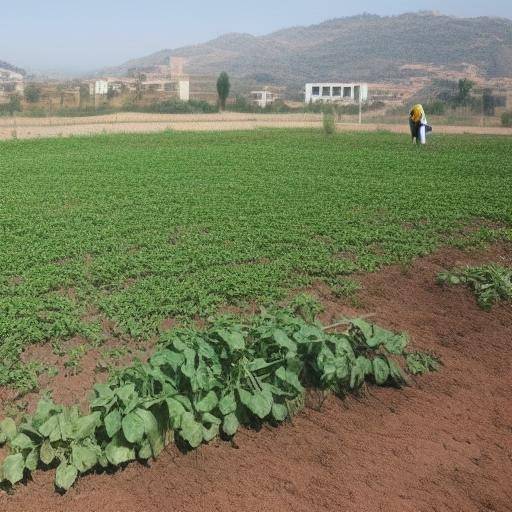
The creation and management of school orchards provide children with a practical understanding of natural processes, as well as fostering teamwork and responsibility skills.
Creative recycling
Fostering creativity through recycling is an effective way of teaching children about the importance of reducing, reusing and recycling materials.
Art and Manuals with Recycled Materials
Art with recycled materials not only fosters creativity, but also teaches children about resource reuse and waste reduction.
Games and Theatre
Role games and theatre are fun tools for environmental education, allowing children to represent situations related to environmental care.
Sustainability
Sustainability has become a central theme in environmental education, as it promotes the adoption of practices that meet the needs of the present without compromising future generations.
Conclusion
Environmental education is an investment in the sustainable future. By educating children about the importance of caring for the environment, we are laying the foundations for a more conscious and responsible society. The above-mentioned activities are only the beginning; there are infinite creative ways of fostering a positive attitude towards sustainability in children.
FAQs
Why is it important to teach environmental education to children?
Teaching environmental education for children is essential to inculcate values of respect and care for the environment, thus creating a more conscious and sustainable future generation.
How can we integrate environmental education into school education?
The integration of environmental issues into the school curriculum, the creation of green spaces within schools and the promotion of outdoor activities are some effective strategies for integrating environmental education into the learning environment.
What are the benefits of environmental education for children?
Environmental education instills in children values of respect, responsibility and empathy towards nature, which can be translated into more sustainable behaviour throughout their lives, as well as in promoting environmental conservation.
What role do outdoor activities play in children's environmental education?
Outdoor activities offer children the opportunity to experience nature directly, which facilitates an emotional connection with the environment and promotes greater understanding of its importance and fragility.
Why is it important to foster creativity through recycling in environmental education?
Fostering creativity through recycling not only teaches children about the importance of reducing, reusing and recycling, but also helps them develop critical and creative thinking in relation to sustainability.
What is the role of environmental education in promoting sustainability?
Environmental education promotes the adoption of sustainable practices by raising awareness of the interconnection between society, the economy and the environment, and by fostering the development of sustainability-friendly skills and attitudes.
How can we encourage the active participation of children in environmental conservation?
Involving children in practical activities, such as the management of school gardens, participation in clean-up campaigns or the implementation of reforestation projects, can encourage their active participation in environmental conservation.
As we strive to raise environmental awareness in new generations, it is essential to provide them with the necessary tools and knowledge about sustainability. Environmental education, through interactive activities and practical experiences, plays a crucial role in the formation of responsible and committed citizens to the conservation of the planet.