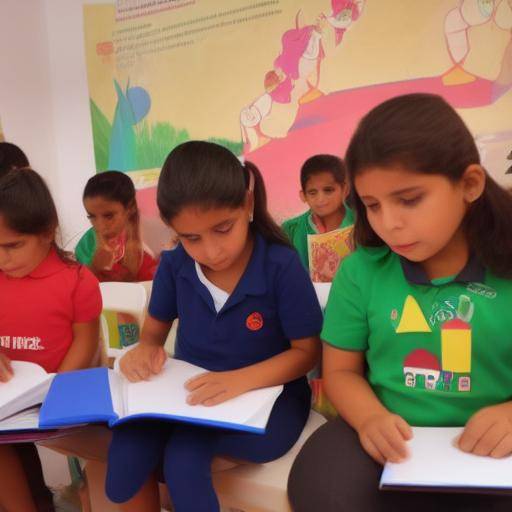
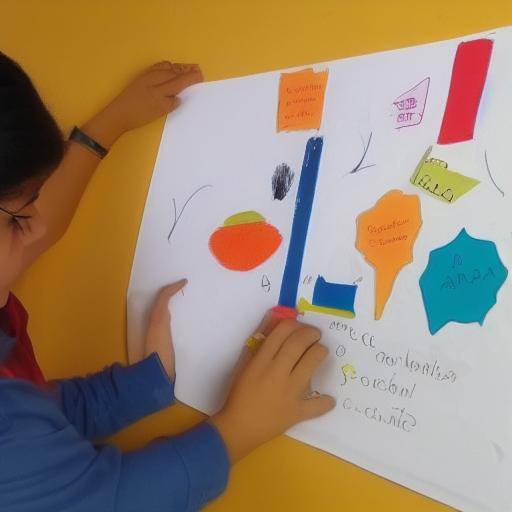
In the upbringing and education of children, autonomy plays a key role in their integral development. From an early age, fostering autonomy in children allows them to acquire skills to face challenges, make decisions and develop their identity. This article explores in depth the importance of autonomy in child development, its link to education, and provides an integral view of its impact on the growth of children.
Introduction
The Role of Autonomy in Child Development: Promoting Independence and Trust
Child development is a complex process that covers multiple aspects, from physical growth to cognitive and emotional development. In this context, autonomy is presented as a fundamental pillar that influences the formation of the identity and self-esteem of children. Throughout this article, we will explore how to promote autonomy in children from an educational perspective and how it relates to their comprehensive development.
History and Background
The Origins of the Importance of Autonomy in Child Development
The notion of autonomy in child development has deep roots in the history of education and psychology. From the theories of Jean Piaget to the contributions of Mary Montessori, the value of fostering independence and self-determination in children has been recognized as an essential part of their development. Over the centuries, different pedagogical currents have addressed the importance of autonomy in the formation of individuals, giving rise to educational approaches that promote freedom and responsibility.
Deep analysis
Benefits and Challenges of Promoting Autonomy in Child Development
Promoting autonomy in child development entails various benefits, such as strengthening self-esteem, acquiring problem-solving skills and promoting independence. However, it also involves challenges, such as finding a balance between freedom and protection, as well as ensuring a safe environment for children to explore their independence. An in-depth analysis of these facets provides a holistic view of autonomy in child development.
Comprehensive review
Practices of Autonomy in Child Development and Best Educational Practices
Successful implementation of autonomy in the educational context requires understanding best practices and strategies that foster independence without neglecting the necessary guidance and support. Exploring case studies and expert opinions offers a balanced perspective on how to integrate autonomy into formal and informal educational settings, such as home, school and community.
Comparative analysis
A Comparative Approach: Autonomy, Child Development and Education
By comparing the interaction between autonomy, child development and education, significant connections are identified that influence the training of children. Analyzing the similarities, differences and possible synergies between these concepts provides a deeper understanding of how they intertwine to boost the growth and learning of children in different cultural and social contexts.
Practical Tips and Accessible Recommendations
Promoting Autonomy: Practical Tips for Parents and Educators
Providing clear guidelines and practical advice allows parents, caregivers and educators to implement effective strategies to promote autonomy in children. In presenting detailed recommendations and exemplifying their application in everyday situations, this segment involves the reader in a practical approach that enriches their understanding and ability to promote the autonomy of children in their care.
Industry ideas and Expert Reviews
Industry Perspectives and Expert Reviews on Autonomy and Child Development
The analysis of industry perspectives and expert opinions provides a detailed understanding of current and future implications of fostering autonomy in child development. By exploring trends and predictions, this segment offers an integral vision of how autonomy is integrated into educational environments and its impact on the formation of future generations.
Case Studies and Practical Applications
Cases of Study and Real Applications: Practical Examples of Promoting Autonomy in Child Development
Through detailed case studies and concrete examples, it is illustrated how autonomy contributes to the integral development of children, showing actual cases of their application in different contexts and educational environments. This approach provides a vivid understanding of how autonomy influences child development in practice.
Future Trends and Predictions
The Future of Autonomy and its Relationship with Child Development
In analysing emerging trends and future predictions, the transcendental impact of fostering autonomy in long-term child development, as well as the opportunities and challenges that arise in this context, is projected. This segment focuses on providing a prospective look on the role of autonomy in the formation of children and their relevance in a constantly changing world.
Conclusion
Conclusion: Strengthening Autonomy to Enhance Child Development
In short, autonomy plays an essential role in child development, helping to build the identity, trust and capacity of children to face the challenges that arise throughout their lives. By strengthening autonomy, solid foundations are built for integral growth. We also invite you to deepen this topic through the following frequently asked questions.
Frequently asked questions
Why is it important to promote autonomy in child development?
Promoting autonomy in child development promotes self-confidence, responsible decision-making and the development of skills to meet challenges, laying a solid foundation for their comprehensive growth.
To what extent does autonomy influence the academic performance of children?
Autonomy strengthens the intrinsic motivation of children, which has a positive impact on their academic performance by generating greater commitment and active participation in their learning process.
How can autonomy be balanced with adequate protection in the upbringing and education of children?
The balance between autonomy and protection implies freedom to explore, err and learn, while setting clear limits to safeguard the safety and well-being of children.
What is the role of parents and educators in fostering autonomy in children?
Both parents and educators play a key role in modeling behaviour, providing support and providing opportunities for children to develop their autonomy in a gradual and secure manner.
How does autonomy relate to the development of socio-emotional skills in children?
Fostering autonomy promotes the development of socio-emotional skills, such as empathy, perseverance and conflict resolution, by allowing children to explore their own world and strengthen their self-knowledge.
To what extent does autonomy in childhood influence the development of identity and self-esteem in adult life?
The development of autonomy in childhood lays the foundation for a solid identity and a healthy self-esteem in adult life, by promoting conscious decision-making and the development of one's personality.
In conclusion, autonomy in child development is a fundamental pillar that significantly influences the formation of children, contributing to their comprehensive growth and preparing them to effectively address the challenges. In understanding the importance of fostering autonomy in childhood, the door opens to solid development and comprehensive training that lasts throughout life.
In short, this article has addressed the importance of autonomy in child development, its relation to education and the significant impact it has on the formation of children. In offering an integral vision of this topic, it is hoped that readers will gain a deep understanding of the relevance of fostering autonomy in children and its impact on the growth and development of future generations.
With this in mind, we invite you to deepen in complementary resources that broaden knowledge about autonomy in child development, promoting a continuous dialogue and sharing of experiences around this topic so relevant to today's society.