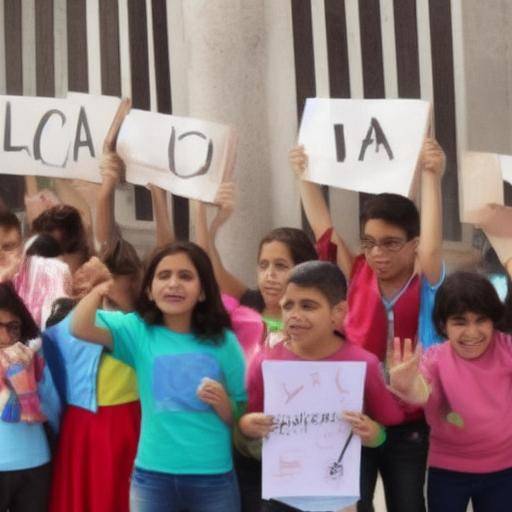
Cultural diversity in school events not only enriches the educational experience of students, but also helps to foster intercultural understanding and mutual respect. In this article, we will explore effective strategies to promote cultural diversity in school events and their importance in the educational context.
Introduction
At present, globalization has led to a significant increase in cultural diversity in schools. School events offer a unique platform to celebrate and appreciate this diversity, promoting inclusion and understanding among students. In this article, we will address the importance of promoting cultural diversity in school events and provide practical strategies for achieving it.
History and Background
Cultural diversity has been a fundamental aspect of society since time immemorial. From ancient trade routes to contemporary migration, the interaction between different cultures has shaped the world in which we live. In the school context, cultural diversity presents opportunities to enrich learning and promote the appreciation of differences.
To understand the importance of promoting cultural diversity in school events, it is crucial to explore the history and background of this practice. From the emergence of multicultural education to inclusive policies, the struggle for the recognition and appreciation of the various cultures in the educational field has been a constantly evolving process.
Analysis in Deep
Cultural diversity in school events is not only a reflection of society, but also offers a unique opportunity for learning and awareness. By providing students with the opportunity to explore and participate in diverse cultural expressions, empathy, respect and intercultural awareness are encouraged. However, this approach also presents challenges, such as managing different traditions, preventing stereotypes and creating inclusive spaces for all participants.
Effective strategies
Promoting cultural diversity in school events requires concrete strategies to ensure equal participation and appreciation of all cultures represented. Some effective strategies include:
1. Inclusive planning
Before organizing a school event, it is essential that the organizing committee plan in an inclusive manner, ensuring that the various cultures present in the school community are equally represented. Inviting members of different ethnic groups to participate in planning is essential to ensuring genuine representation.
2. Celebration of Cultural Festivals
Organizing cultural events in various communities gives students the opportunity to experience and appreciate the traditions of other ethnic groups. These celebrations may include performances, art exhibitions, traditional food and interactive activities related to the cultures represented.
3. Intercultural education
Integrating intercultural education into the school curriculum can effectively promote understanding and appreciation for diversity. By including topics related to cultural diversity in history, art, music and literature classes, students have the opportunity to learn about different cultures in a meaningful and integrated way.
4. Cooperation with the Community
Establishing partnerships with community organizations and cultural leaders can enrich the authenticity and relevance of school events. By inviting community representatives to share their experiences and knowledge, an environment of mutual respect and understanding is encouraged.
5. Creation of Inclusive Spaces
It is essential that school events promote the inclusion and participation of all cultural communities. Creating spaces where people feel safe and valued, regardless of their cultural origin, is essential for the success of cultural diversity initiatives.
Conclusion
Promoting cultural diversity in school events is key to fostering inclusion, respect and intercultural understanding among students. Through the implementation of effective strategies, schools can create enriching experiences that celebrate the various cultures present in their educational community.
Frequently asked questions
1. Why is it important to promote cultural diversity in school events?
Promoting cultural diversity in school events is crucial to fostering inclusion, mutual respect and intercultural understanding among students. In celebrating the different cultures present in the educational community, learning experience is enriched and a more inclusive school environment is promoted.
2. How can schools ensure equal representation of different cultures in their school events?
Schools can ensure equal representation of different cultures in their school events by involving members of the school community in planning, collaborating with cultural leaders and community organizations, and ensuring that cultural holidays are authentic and meaningful.
3. What are the benefits of holding cultural holidays at school events?
The celebration of cultural festivals at school events gives students the opportunity to explore and appreciate the traditions, customs and artistic expressions of different cultures. This promotes empathy, intercultural understanding and diversity assessment.
4. What challenges can arise by promoting cultural diversity in school events?
Some challenges in promoting cultural diversity in school events include the management of different traditions, the prevention of cultural stereotypes, and the creation of inclusive spaces to ensure the equal participation of all cultural communities.
5. How can intercultural education contribute to promoting cultural diversity in school events?
Intercultural education integrates learning about different cultures in the school curriculum, providing students with the opportunity to understand and appreciate diversity from an educational perspective. This helps to promote mutual respect and intercultural awareness.
6. What is the long-term impact of promoting cultural diversity in school events?
Promoting cultural diversity in school events can have a significant long-term impact by fostering acceptance, understanding and appreciation of cultural diversity. This can contribute to the formation of more tolerant and respectful individuals in the future.
In conclusion, the promotion of cultural diversity in school events is an opportunity to enrich educational experience, promote inclusiveness and promote mutual respect. Through effective strategies and meaningful activities, schools can create an environment in which diversity is celebrated and valued, thus enriching the fabric of the educational community.