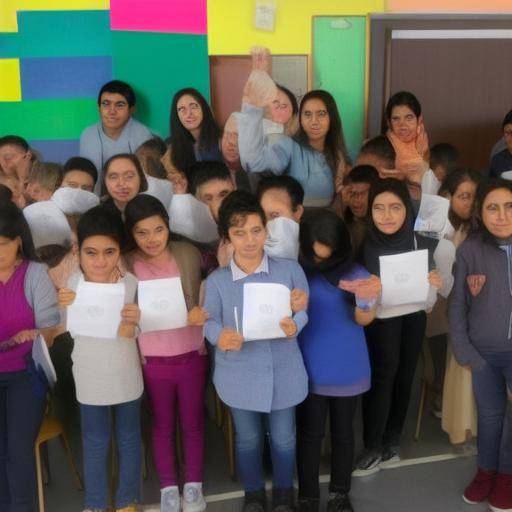
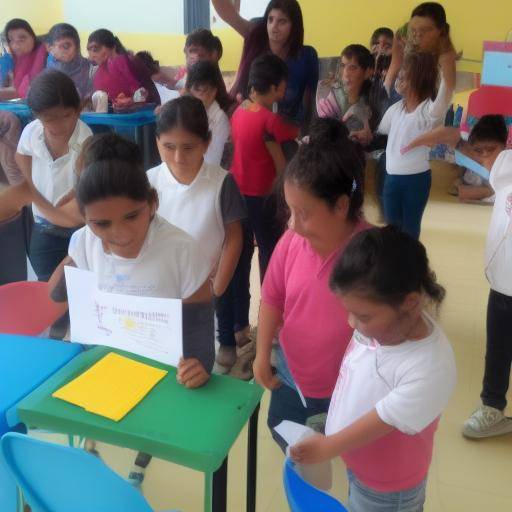
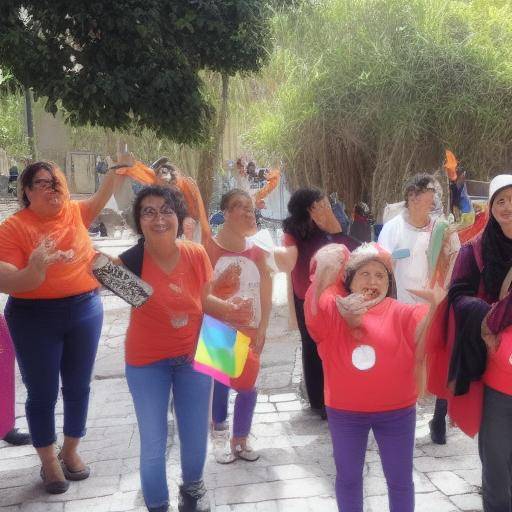
Cultural diversity is a fundamental part of our society, enriching us with different perspectives, traditions and experiences. The home is the place where values and attitudes are formed, so fostering respect for cultural diversity in this environment is essential. In this article, we will explore practical strategies to promote understanding and respect for cultural diversity at home, thus creating an inclusive and enriching environment for the whole family.
Introduction
Cultural diversity refers to the variety of cultures, traditions, languages, beliefs and life forms that exist in the world. Fostering respect for cultural diversity at home is crucial to forming tolerant, open and respectful individuals to differences. In this article, we will provide a comprehensive analysis of how to promote and promote respect for cultural diversity in the domestic sphere.
History and background
Cultural diversity has been an integral part of the history of humanity, shaping societies and contributing to the wealth of cultural heritage. From ancient civilizations to the modern era, interaction between different cultures has led to the exchange of knowledge, art and values. In this regard, it is essential to understand the historical evolution of cultural diversity to appreciate its importance in contemporary society.
For example, during the period of exploration, the meeting between European and American cultures led to exchanges that transformed the gastronomy, music and customs of both continents. Even in more recent times, globalization has facilitated access to cultures around the world, generating greater diversity in local contexts.
In-depth analysis
Despite its benefits, cultural diversity also poses challenges, such as discrimination or lack of understanding. It is therefore essential to analyse in detail both the advantages and the difficulties involved in coexistence between different cultures.
A UNESCO study notes that cultural diversity promotes creativity, intercultural dialogue and social cohesion. However, it has been noted that the lack of tolerance and respect for cultural differences can lead to conflicts and tensions in society.
Comprehensive review
To promote respect for cultural diversity at home, it is necessary to explore concrete strategies and best practices that foster harmonious coexistence. Multicultural education experts agree that familiarization with other cultures through food, music, celebrations and stories can strengthen empathy and respect.
It is important to consider that opening spaces for dialogue at home, in which family members can share and learn about their own traditions and those of others, contributes to creating an atmosphere of acceptance and appreciation for cultural differences.
Comparative analysis
In fostering respect for cultural diversity at home, it is important to compare and contrast the different ways in which this issue is addressed in different cultural settings. For example, in some countries, cultural diversity is reflected in festivals and events that celebrate traditions around the world, while in others, the integration of diverse cultures is promoted through inclusive educational policies.
Practical advice and recommendations
To incorporate cultural diversity in family life, it is useful to have a set of practical advice and recommendations that can be implemented at home. Some suggestions include reading stories and legends from different cultures, cooking typical dishes from different countries, attending intercultural festivals and visiting museums or exhibitions that show the diversity of the world.
Conclusions and FAQs
In conclusion, fostering respect for cultural diversity at home is critical to promoting an inclusive and enriching environment for the whole family. Responding and celebrating cultural differences in the home not only strengthens family ties, but also prepares family members to live in a global and diverse society. Here are some frequent questions that may arise when dealing with this topic:
Frequently asked questions
**1. Why is it important to promote respect for cultural diversity at home?**Promoting respect for cultural diversity at home is crucial to inculcate values of tolerance, empathy and understanding among family members. It also prepares children and adults to interact positively in multicultural settings.
**2. What are some practical activities to promote cultural diversity at home?**Activities such as preparing and enjoying traditional meals from different cultures, participating in cultural festivals, visiting museums or even learning some phrases in other languages can be excellent ways of fostering diversity at home.
**3. How to address situations of cultural discrimination at home?**It is important to establish a safe home environment where all family members feel free to express their views and concerns. Being open to dialogue and addressing discriminatory situations in an educational way is critical.
**4. What is the impact of fostering respect for cultural diversity in the development of children?**Exposing children to cultural diversity from an early age can foster the development of an open mindset, the ability to adapt to various situations and greater appreciation for the cultural wealth of the world.
**5. How can parents and caregivers model respect for cultural diversity at home?**Adults in charge can be positive examples by showing respect for differences, learning about other cultures and practicing empathy in their daily interactions.
**6. What is the role of education in fostering respect for cultural diversity at home?**Education plays a key role in sensitizing people about the importance of respecting and assessing cultural diversity. Incorporating educational materials and promoting participation in activities that celebrate diversity can have a significant impact.
By fostering respect for cultural diversity at home, we are contributing to the construction of a more inclusive, respectful and enriching society for future generations. Through understanding and appreciation of cultural differences, we can work towards a world where diversity is not only tolerated, but celebrated.