Introduction
Effective team collaboration is essential for success in any working environment. Currently, technology plays a key role in improving collaboration, enabling teams to work more efficiently, communicate more effectively and share resources more efficiently.
In this article, we will explore how to use technology to optimize team collaboration. We will analyse the evolution of this practice, its current benefits, challenges and trends. We will also provide practical advice, case studies, expert perspectives and insights on future trends in this area.
History and Background
Team collaboration has evolved significantly over time, moving from traditional working methods together to advanced technological solutions. In recent decades, the development of digital tools has revolutionized the way teams collaborate.
The use of technology to improve team collaboration has its roots in the first forms of digital communication, such as email and chat rooms. Over time, cloud collaborative platforms, project management systems and videoconferencing tools have become key pillars of effective collaboration.
The key dates in this process include the emergence of the first instant messaging applications at the end of the twentieth century, the popularization of project management platforms at the beginning of the twenty-first century and the rise of videoconferencing technologies in the last decade.
Analysis in Deep
Technology has provided countless benefits to team collaboration. It has eliminated physical barriers, allowing geographically dispersed teams to work together efficiently. In addition, it has optimized communication by means of instant messaging tools, videoconferencing and e-mail, resulting in a faster transmission of information.
Despite these benefits, technology has also raised challenges. Excessive dependence on digital platforms can lead to saturation of information, making data management difficult. In addition, the digital divide may exclude team members who do not have access to technology or are not familiar with its use.
At present, the trend towards the integration of collaborative tools into a single platform, the boom in artificial intelligence applied to team management and the growing concern for data security in remote environments are some of the key issues that are shaping the team collaboration landscape.
Exhaustive examination
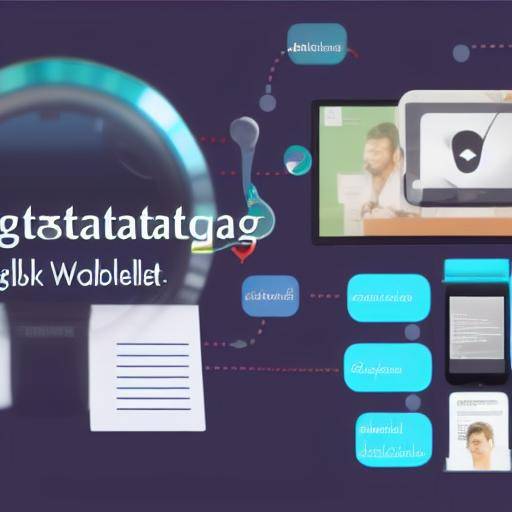
The practical application of technology to improve team collaboration is embodied in various tools and practices. Cloud collaboration platforms, such as Google Workspace and Microsoft Teams, provide a centralized space for teams to share files, collaborate in documents and communicate transparently.
Some of the best practices for maximizing technology in collaboration include establishing clear communication standards, training team members in the use of digital tools and fostering a culture of transparency and openness in information.
In a constantly evolving world of work, it is essential to adapt to new trends. The integration of artificial intelligence for the identification of patterns of behavior in equipment, the automation of routine tasks and the customization of user experience are some of the advances expected in the future of team collaboration.
Comparative analysis
The use of technology to improve team collaboration shares similarities with other contexts in which technology plays a key role. Optimization of communication, efficient management of resources and the elimination of physical barriers are common objectives that apply to different areas, from education to business development.
For example, the implementation of collaborative technologies in educational settings can increase student participation, encourage teamwork and improve learning efficiency. Similarly, in business, technology plays a crucial role in inter-departmental collaboration, project coordination and the resolution of interdisciplinary problems.
Practical Tips and Accessible Recommendations
To maximize the use of technology in team collaboration, it is essential to establish a set of best practices. Some useful tips include:
- Use project management tools to track tasks and deadlines.
- Promote transparency in communication through cloud collaborative platforms.
- Promote active participation in virtual meetings through videoconferencing tools.
- Train team members in the efficient use of available digital tools.
Industry Perspectives and Expert Reviews
Experts in the field of team collaboration emphasize the importance of adopting scalable and flexible technologies that adapt to the needs of the teams. In addition, they emphasize the need to develop digital skills among workers to ensure a smooth transition to an increasingly digitalized working environment.
According to industry professionals, the integration of artificial intelligence and automatic learning into collaborative tools can revolutionize the way teams interact and perform daily tasks. The focus is also on cybersecurity and data protection in a remote and distributed context of work.
Case Studies and Applications in Real Life
The successful application of technology to improve team collaboration can be seen in a wide range of real life scenarios. From multinational companies that manage equipment scattered around the world to software development teams that use agile working methodologies, the benefits of technology become evident in various working situations.
Cases of companies that have successfully implemented collaborative technologies, such as Slack, Trello or Zoom, provide concrete examples of how technology can transform the way teams collaborate, improving efficiency, communication and global productivity.
Future Trends and Predictions
As we move towards an increasingly digital future, trends in team collaboration are expected to continue to evolve. The integration of augmented and virtual reality tools, IA-driven virtual assistance and the adoption of hybrid work practices that combine remote work and presence collaboration are some of the developments that emerge on the horizon.
Conclusion
In short, technology offers a vast set of tools and solutions that can significantly improve team collaboration. By harnessing cloud collaborative platforms, project management tools and communication applications, teams can work more efficiently and effectively, regardless of their geographical location.
Frequently asked questions
1. What are the main advantages of using technology to improve team collaboration?
Technology offers the advantage of removing physical barriers, improving communication, facilitating information and resource sharing, and providing a more flexible and accessible working environment.
2. What challenges can arise when implementing technology for team collaboration?
Some challenges include saturation of information, digital divide, data security and resistance to change by some team members.
3. What is the role of artificial intelligence in team collaboration?
Artificial intelligence can play a crucial role in identifying behavior patterns, automating routine tasks and providing insights to improve team efficiency.
4. How can technology improve internal communication in companies?
The technology allows faster and more efficient communication through instant messaging tools, videoconferencing, integrated email and cloud collaboration platforms, which facilitates transparency and information accessibility.
5. How can teams ensure a successful transition to a digitalized working environment?
It is essential to train team members in the efficient use of digital tools, establish clear communication standards and promote a culture of adaptability and continuous learning.
6. What are future trends in collaboration in technology-driven equipment?
Trends such as the integration of augmented and virtual reality, IA-powered virtual assistance and the adoption of hybrid work practices that combine remote and presenceal work are expected.
In conclusion, the effective implementation of technology in team collaboration entails a number of significant benefits, but it also poses challenges that need to be addressed carefully. Being aware of current and future trends, as well as best practices, teams can make the most of the technological tools to improve their collaboration. With an open mindset towards innovation and a sound understanding of strategic implications, teams can achieve higher levels of efficiency and productivity through enhanced collaboration by technology.