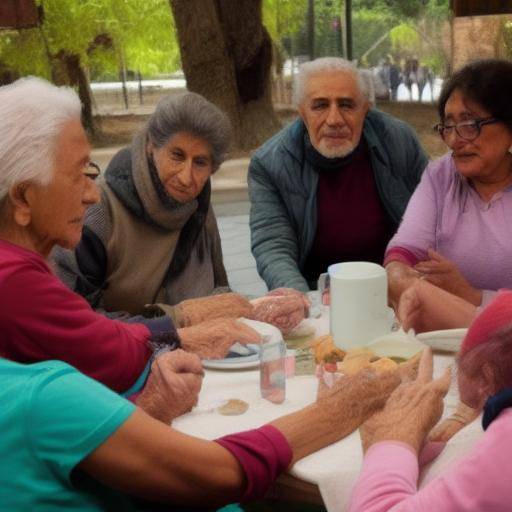
In an increasingly agitated and technological world, it is essential to seek opportunities to strengthen family ties. Recreational activities offer a valuable space to share significant moments, encourage communication and build lasting memories. In this article, we will explore the importance of recreational activities in the family union, its benefits, and dynamics that promote closeness between parents, children, grandparents and other family members.
Benefits of Recreational Activities in the Family
Recreational activities are not simply moments of entertainment, but opportunities to strengthen family ties. Participating in games, sports, excursions, or simply sharing quality time together, promotes union, empathy and mutual understanding. These dynamics improve communication, strengthen trust and create an environment of fun, respect and cooperation.
The Dynamics that Strengthen the Family Links
Family dynamics can adopt various forms, from table games, outdoor activities, to collaborative projects. These experiences provide the opportunity to get to know each other better, strengthen trust and create valuable memories. Family bonds are enriched through shared fun, challenges resolution, and joint achievements.
Importance of Recreational Activities for the Family
Strengthening family ties through recreational activities fosters an environment of support, affection and complicity. These experiences contribute to healthy emotional development in children, strengthen the sense of belonging, and promote values such as fellowship, respect and solidarity. In addition, recreational activities offer a space to disconnect from daily concerns and to authentically connect with loved ones.
Practical Tips for Integrating Recreational Activities in Family Life
- Set Game Routines: Designate a regular time in the week to enjoy recreational activities in the family.
- Explore new experiences: Find opportunities to discover new hobbies, sports or hobbies together.
- Involve all members: Consider the preferences and limitations of each member, fostering inclusion and respect for differences.
- Celebrate achievements: Recognize and celebrate individual and shared efforts and achievements.
Conclusion
In short, recreational activities are an invaluable tool to strengthen family ties and promote a deeper level of connection between their members. We encourage families to integrate these dynamics in their day to day, recognizing their positive impact on the emotional development and cohesion of the family group. By sharing moments of fun and complicity, families can forge unforgettable memories and create an environment of love, trust and mutual understanding.
Frequently asked questions
What specific benefits do recreational activities bring to the family union?
Recreational activities strengthen communication, promote empathy, and promote a sense of belonging. In addition, they offer a space to disconnect from daily stress and connect significantly.
How can I find recreational activities suitable for the whole family?
It is important to take into account the preferences and skills of each family member when selecting recreational activities. Explore varied options will allow you to discover shared pastimes that each member enjoys.
What are the long-term benefits of investing time in family recreational activities?
Continuous commitment to recreational activities strengthens family ties over time, fosters resilience and promotes open and effective communication among its members.
What role do outdoor activities play in strengthening family ties?
Outdoor activities offer a natural environment for play, exploration and collaboration, fostering the connection with nature and creating shared experiences that strengthen family ties.
How can I overcome the resistance of some family members to participate in recreational activities?
It is important to foster an atmosphere of openness and respect, considering individual preferences and seeking commitments that satisfy all. Communicating openly on the importance of these activities can help overcome initial resistance.
What is the relationship between recreational activities and the emotional health of the family?
Recreational activities promote an environment of emotional well-being, reduce stress, strengthen self-esteem and promote conflict resolution in a positive way, thus contributing to the emotional health of the family as a whole.
How can I motivate adolescents to participate in family recreational activities?
Engaging adolescents in recreational planning, offering options that fit their interests and recognizing their autonomy and contributions can increase their active participation and commitment to these family dynamics.
Conclusion
Recreational activities play a key role in strengthening family ties, providing space for fun, learning and emotional connection. By prioritizing these experiences in family life, an environment of love, understanding and complicity that lasts over time is promoted.