In today's society, intergenerational volunteerism has become a powerful way of bringing different generations together for mutual benefit. This article will explore the importance of intergenerational volunteerism, how to promote it and its benefits. We will learn about your history, challenges, current trends, best practices and ideas for the future. In addition, we will provide practical advice, ideas for implementation and interviews with field experts. Prepare to immerse yourself in the fascinating world of intergenerational volunteerism and discover how you can contribute to its development.
History and Background
The concept of volunteering has its roots in ancient history and has evolved over time. Intergenerational volunteering has emerged as a unique way of bringing different generations together in solidarity and constructive activities.
The historical roots of volunteerism go back to ancient civilizations, where communities joined to collaborate on projects that benefited all. In the Middle Ages, charitable organizations and community initiatives laid the foundation for modern volunteerism.
During the Industrial Revolution, volunteering played an important role in social assistance, and in the 20th century, with the rise of social movements, volunteering became a crucial means of advancing positive changes in society.
In 1965, the United States Economic Opportunities Act laid the foundation for the Foster Grandparents programme, one of the first initiators of formal intergenerational volunteerism.
Deep analysis
Intergenerational volunteering presents a variety of benefits covering social, emotional and cognitive aspects. Studies show that older people involved in volunteer activities experience an improvement in their emotional and mental well-being. In addition, young people involved in intergenerational projects develop greater empathy, respect and understanding for older adults.
However, intergenerational volunteerism also faces challenges, such as the disparity in understanding the needs and expectations of different generations, as well as effective coordination among diverse age groups.
Comprehensive review
Best practices for fostering intergenerational volunteerism include the creation of programmes that promote intergenerational open dialogue, the identification of projects and activities aimed at bringing together people from different age groups, and the integration of technology as a means of facilitating collaboration and knowledge sharing.
Interviews with experts in the field of intergenerational volunteering provide a deep insight into effective strategies and innovative approaches to fostering multigenerational participation in voluntary activities.
Comparative analysis
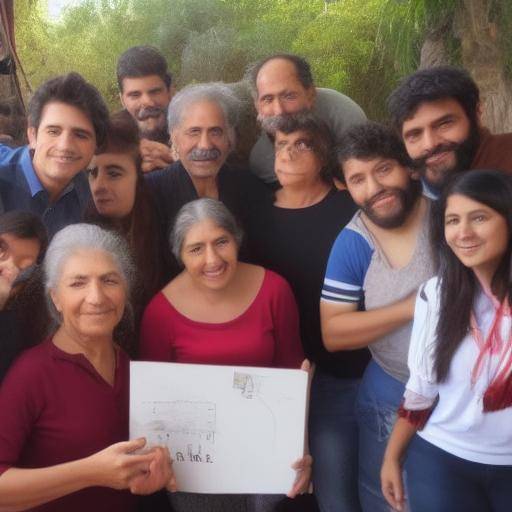
Volunteerism, intergenerationality and promotion are closely intertwined in the context of intergenerational volunteerism. Although each has its own distinctive characteristics, together they promote a dynamic of collaboration and mutual learning between different generations.
Collaboration among people of different ages not only strengthens cohesion in the community, but also provides a unique perspective that enriches the volunteering experience for both young people and older adults.
Pr Tips It is important to foster intergenerational volunteerism, as it promotes solidarity, intergenerational understanding, and contributes to the well-being of society as a whole. Here are some ways to promote intergenerational volunteerism:
- Create specific programs: Design volunteer programs that involve people from different age groups in projects of common interest, such as artistic, educational or environmental activities.
- Facilitate meeting spaces: Create physical or virtual spaces where people of different ages can meet to exchange knowledge, skills and experiences.
- Promoting intergenerational dialogue: Organizing events or activities that promote the exchange of ideas, values and perspectives between different generations.
- Providing intergenerational training: Offering training programs that foster understanding and mutual respect among people of different ages.
- Incorporate technology: Using technology as a tool to facilitate communication and collaboration between generations, creating digital spaces for exchange and learning.
Industry Perspectives and Expert Reviews
Interviews with opinion leaders in the field of intergenerational volunteering provide valuable insights on the impact of these activities on the community and the importance of fostering the participation of different generations in voluntary projects.
Experts emphasize the need to promote inclusive programmes that provide equitable opportunities for people of all ages to contribute to society. In addition, they emphasize the importance of cultivating an environment that fosters respect, understanding and mutual learning between generations.
Case Studies and Practical Applications
Real case studies show how intergenerational volunteerism has positively impacted communities around the world. From social assistance projects to environmental initiatives, intergenerational volunteering has demonstrated its ability to generate significant changes at the local and global levels.
Case studies provide concrete examples of how intergenerational volunteering activities have strengthened community cohesion, fostered intergenerational learning, and effectively addressed social and environmental challenges.
Future Trends and Predictions
The future of intergenerational volunteerism is promising, with a growing focus on technology integration, the promotion of diversity and inclusion, and the implementation of innovative programs that address current and emerging challenges.
The advancement of technology will play a crucial role in facilitating the participation of people from different age groups in voluntary projects, while awareness of the importance of intergenerational sharing of knowledge and experiences will continue to grow.
In addition, intergenerational volunteering is expected to play a key role in building more resilient, sustainable and inclusive communities in the future.
Conclusions and FAQs
In short, fostering intergenerational volunteerism is fundamental to building a more cohesive, inclusive and supportive society. By creating opportunities for people of different generations to work together on voluntary projects, the social fabric is strengthened, intergenerational understanding is promoted and general well-being is enhanced.
What are the specific benefits of intergenerational volunteering for different age groups?
Intergenerational volunteering benefits young people by providing them with models to follow and opportunities for practicum learning, while providing older adults with a renewed sense of purpose and connection with the community.
How can I begin to foster intergenerational volunteerism in my local community?
Contacts can be made with local organizations, nursing centers for older adults, schools and community groups to explore opportunities for collaboration and identify areas of common interest to develop intergenerational volunteer programs.
What educational resources or materials can be useful in promoting intergenerational volunteerism?
The availability of educational materials adapted to different age groups is crucial. Resources such as training guides, teaching materials and publications can be used to promote intergenerational understanding and respect.
What is the impact of intergenerational volunteerism on the mental and emotional health of participants?
Intergenerational volunteering has shown a positive impact on the mental and emotional health of participants, promoting the reduction of social isolation, the strengthening of self-esteem and personal satisfaction resulting from contributing to the well-being of others.
How can the long-term sustainability of intergenerational volunteer programmes be ensured?
The long-term sustainability of intergenerational volunteer programmes can be achieved through the establishment of institutional alliances, the capture of financial resources and the continued assessment of the impact and effectiveness of activities.
What is the role of technology in promoting intergenerational volunteerism?
Technology plays a vital role in facilitating communication and intergenerational knowledge sharing, as well as creating opportunities for virtual participation in voluntary projects.
How can we assess the impact and effectiveness of intergenerational volunteer programs?
The evaluation of the impact and effectiveness of programmes can be carried out through quantitative and qualitative indicators, such as participation, satisfaction of participants, changes in attitudes and impact in the community.
In conclusion, fostering intergenerational volunteerism is critical to promoting integration, mutual learning and collective well-being. By providing a space for people of all ages to collaborate in solidarity activities, the social fabric is strengthened and the foundations for a more cohesive and compassionate society are laid. Consider how you can engage in promoting intergenerational volunteerism in your community and contribute to its growth.
I hope this guide has been helpful and has given you a deeper understanding of intergenerational volunteerism. Thank you for spending time exploring this significant issue!