Early childhood reading is a topic of great relevance in the integral development of children. Early education plays a crucial role in the formation of cognitive, emotional and linguistic skills that will have a significant impact on their future. In this article, we will explore in detail the importance of early childhood reading, its historical evolution, benefits, current challenges, best practices and future prospects. We will also compare the importance of reading with early education and early childhood, providing valuable information for parents, educators and professionals of child development.
History and Background
The importance of early childhood reading has been recognized throughout history as a fundamental pillar in child development. From ancient civilizations to the modern era, the practice of reading for children has evolved significantly, influenced by cultural, technological and scientific advances. The first accounts of oral storytelling, the emergence of printing and the expansion of child literature have helped to consolidate the importance of reading in childhood as a vital means of learning and entertainment.
Historical Development
The history of reading in early childhood dates back to ancient civilizations where oral narratives and the transmission of knowledge through mythical and moral accounts formed the basis of childhood education. The birth of the printing press in the 15th century revolutionized the accessibility of books, facilitating the proliferation of child literature and promoting the importance of reading as an educational tool.
From the 18th century to the present day, childhood literature has experienced a creative explosion, offering children literary works adapted to their age that promote their imagination, values and knowledge. Authors like Hans Christian Andersen, the Grimm brothers and more recently contemporary writers have contributed significantly to enriching the educational potential of early childhood reading.
Relevant Daughters
The twentieth century has witnessed significant progress in understanding the importance of early childhood reading. Recognition of reading as a fundamental skill for the cognitive and linguistic development of children led to the implementation of educational programs and literacy campaigns specifically aimed at children. The 1959 Declaration on the Rights of the Child included the protection of the right to education, which strengthened the relevance of reading as an integral part of early childhood development.
Analysis in Deep
Early childhood reading entails a multiplicity of benefits for the integral development of the child, including cognitive, emotional and social aspects. Various studies have shown that early exposure to reading promotes linguistic, cognitive and understanding skills, significantly contributing to the acquisition of vocabulary, reading comprehension and the development of abstract thinking. Additionally, the habit of reading in childhood promotes the development of socio-emotional skills, promoting a greater understanding of emotions, empathy and communication skills.
Current Benefits and Challenges
The promotion of early childhood reading faces contemporary challenges, mainly in the context of the growing digitalization and proliferation of electronic devices. Screen competition as a means of entertainment and learning for children has raised challenges in fostering traditional reading. However, it has been shown that access to digital literature can complement and enrich reading experience, provided that it is managed in a balanced and supervised manner.
Current trends
The implementation of reading practices adapted to the individual needs and preferences of children, as well as the promotion of reading as a family activity, has emerged as a crucial trend in the field of early education. Diversification of child literature, with inclusive and varied representations, has also become a priority to promote the importance of early childhood reading in an equitable and enriching manner.
Comprehensive review
The effective implementation of early childhood reading practices requires the integration of pedagogical strategies, parental interaction, and adequate resources. In this regard, the promotion of reading activities that encourage interaction, reflection and enjoyment has been established as a recommended practice. The creation of enriched environments with accessible and attractive reading materials contributes significantly to the formation of reading habits in children.
Perspective of Experts
Experts in the field of early education have emphasized the importance of enriching early childhood reading experience through cultural and linguistic diversity. The inclusion of narratives relevant to the reality of children, the implementation of strategies to promote understanding and critical analysis, and the integration of interactive technologies have been identified as relevant practices to enhance the positive impact of reading on child development.
Successful practices
Cases of success in promoting early childhood reading demonstrate the effectiveness of strategies that integrate the active participation of parents, teachers and communities in fostering reading as a pleasant and fundamental activity for the integral development of children. The implementation of interactive reading programs, the establishment of reading corners in educational settings and the formation of collaborative networks between child literature institutions have been pillars of success in promoting early childhood reading.
Comparative analysis
Reading, early education and early childhood brings with it specific benefits and challenges that demand a structured comparison to understand their influence on child development.
Similarities and Variances
While reading is a key tool in early education, which encompasses a multiplicity of learning activities, the importance attached to early childhood lies in understanding the crucial stage of cognitive, emotional and social development of children. Reading thus becomes a fundamental vehicle to stimulate the integral development of children in early childhood, as it promotes linguistic, emotional and cognitive skills essential to their academic and social future.
Potential synergies
The integration of reading into early education requires a deep understanding of the individual needs and preferences of children in early childhood. The articulation of strategies that promote early literacy, the taste for reading and strengthening reading skills is established as a key synergy to enhance the integral development of children at their initial stage of training.
Practical Tips and Accessible Recommendations
The effective promotion of early childhood reading requires the implementation of concrete practices and recommendations aimed at parents, educators and communities. The creation of an enriched environment and the promotion of contextualized interaction support the basis of practical advice and actionable recommendations.
Implementation Guide
- Create cosy reading spaces that invite exploration and interaction.
- Promote literary diversity, including varied themes, authors and genres.
- Encourage the active participation of children during reading, promoting dialogue and reflection.
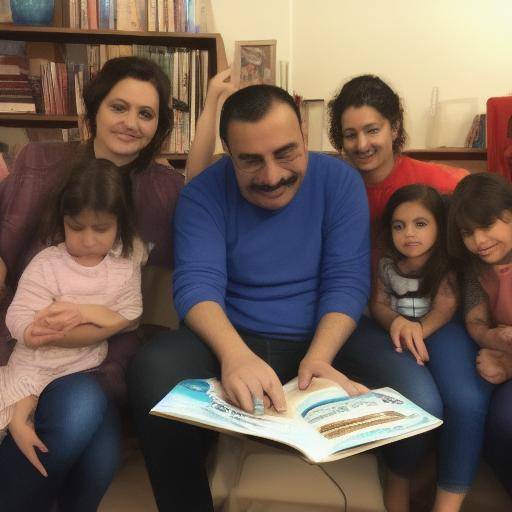
- Integrate reading as a family activity, strengthening the link between parents and children.
Industry Perspectives and Expert Reviews
The children ' s literature and early education industry has experienced significant growth in the diversification of proposals seeking to enhance the importance of early childhood reading. Experts in the field of child psychology, pedagogy and cognitive development have emphasized the need to promote reading as an enriching activity for the integral development of children, while recognizing the current challenges that demand the design and implementation of innovative strategies adapted to contemporary reality.
Analysis of Future Trends
The future of the importance of early childhood reading is geared towards strengthening inclusive practices, recognizing the cultural, linguistic diversity and specific needs of children at this stage of development. The integration of educational technologies, the promotion of emotional literacy and the expansion of collaborative initiatives between education, families and the community represent emerging trends that will mark the future of early childhood reading.
Conclusions and FAQs
Conclusions
The importance of early childhood reading becomes a fundamental pillar in the integral development of children, enhancing cognitive, emotional and linguistic skills that transcendental to their future. The historical evolution of childhood literature, current benefits and challenges, as well as best practices, demonstrate the incontestable relevance of fostering reading from the early years of life.
Frequently asked questions
1. What is the importance of early childhood reading?
Early childhood reading promotes the development of language, imagination, emotional understanding and critical thinking, laying the foundations for comprehensive learning.
2. How can I encourage reading in my child?
Provide access to a wide variety of books, engage in shared readings, and exemplify the taste for reading through the reader's own habit.
3. What are the current challenges in promoting early childhood reading?
Screen competition and digitalization represent contemporary challenges to foster traditional reading, requiring balanced and supervised strategies for healthy integration.
4. How can early childhood reading influence subsequent academic performance?
Early exposure to reading is associated with better academic performance, strengthening readership skills, critical analysis and imagination, fundamental for educational success.
5. What are future trends in promoting early childhood reading?
Strengthening inclusive practices, integrating educational technologies and promoting emotional literacy emerge as key trends for the future of the importance of early childhood reading.
6. Is it important to start reading children since they are babies?
Yes, early reading favors cognitive and emotional development, strengthening the affective bond and laying the basis for taste for reading in later stages.
Concluding, the importance of early childhood reading stands out as a determining factor in the integral development of children, generating significant impacts throughout their lives. The continued promotion of reading in this critical period of formation represents an invaluable investment in the human potential and enrichment of society as a whole.