Childhood is a crucial stage in the development of children, where friendly relationships play a significant role in their emotional and social well-being. Building and maintaining healthy childhood friendships is not only important for individual happiness, but also lays the foundation for healthy relationships in adult life. In this article, we will explore the importance of friendship relationships in childhood, the characteristics of healthy friendships and offer practical advice to foster these relationships from an early age.
Why are Child Friendship Relations Important?
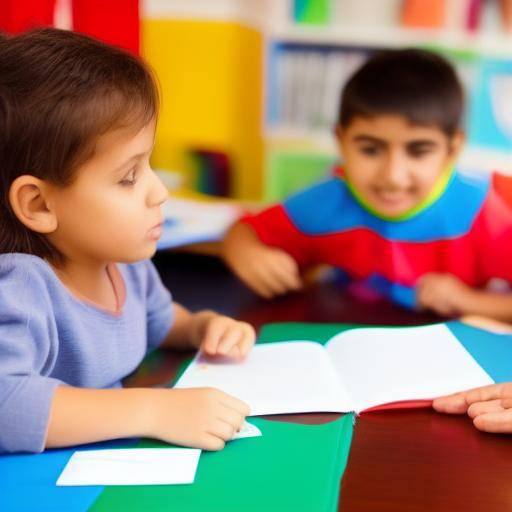
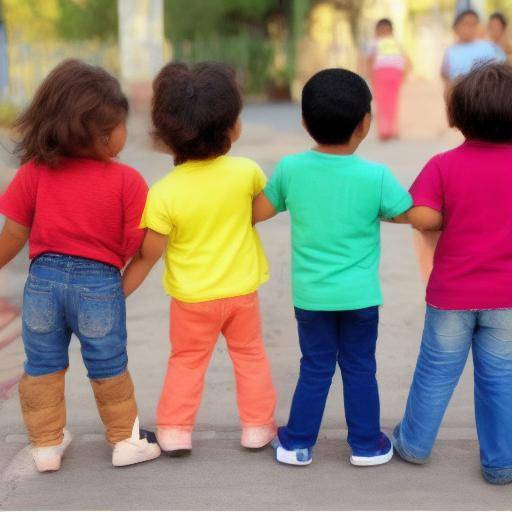
Friendly relationships in childhood not only provide fellowship and fun, but also have a significant impact on the emotional and social development of children. When children establish close friendships from an early age, they learn to communicate, collaborate, resolve conflicts and develop empathy. These skills are fundamental to building healthy relationships throughout life.
Characteristics of Healthy Friendships in Children
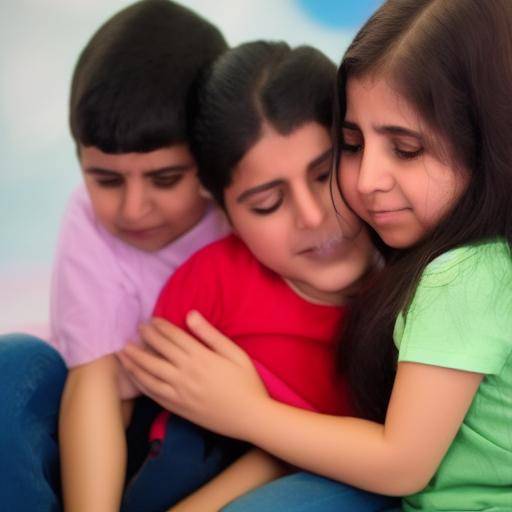
Healthy childhood friendships are characterized by trust, mutual support, open communication and constructive conflict resolution. When children experience friendships that foster a positive environment, they feel safe to express their emotions and to be themselves. These friendships promote emotional well-being and help children develop healthy self-esteem.
Fostering Healthy Friendships from Childhood
Home
- Fostering Empathy: Teach children to understand and share their friends' feelings.
- Modeling Positive Behaviors: Parents and caregivers can serve as models of healthy friendship behaviors.
At school
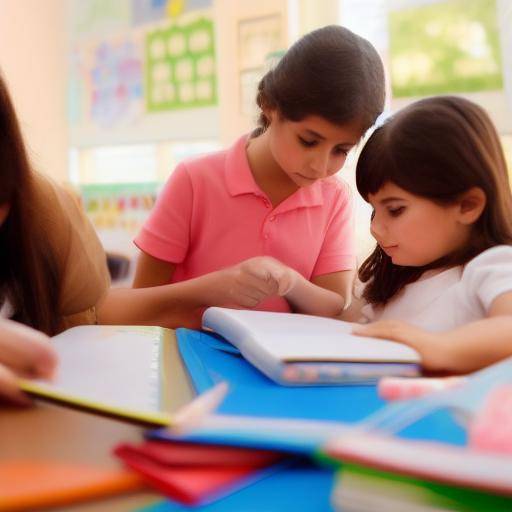
- Promote Inclusion: School programmes can encourage inclusion and diversity so that all children feel accepted.
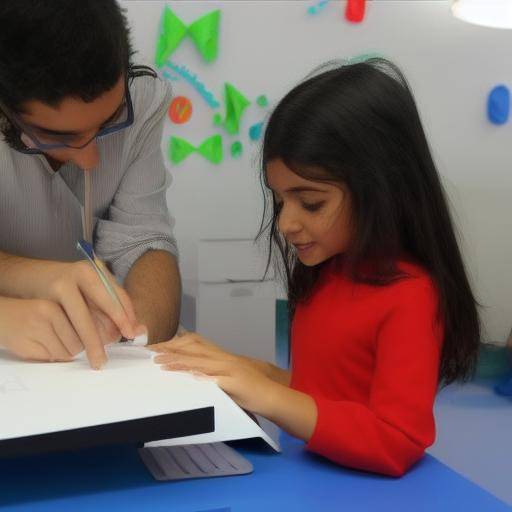
- Teaching Social Skills: Include teaching of social skills and conflict resolution in the school curriculum.
Through Recreational Activities
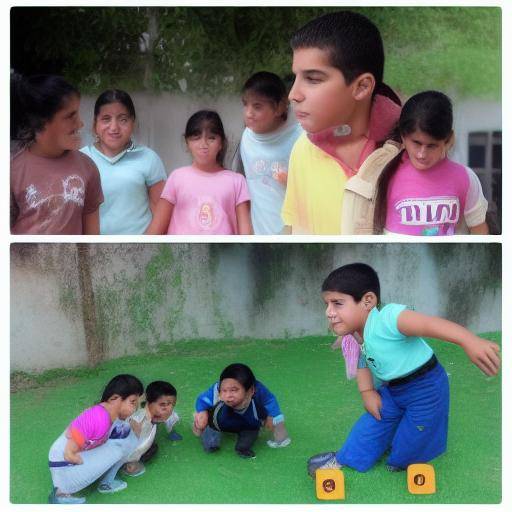
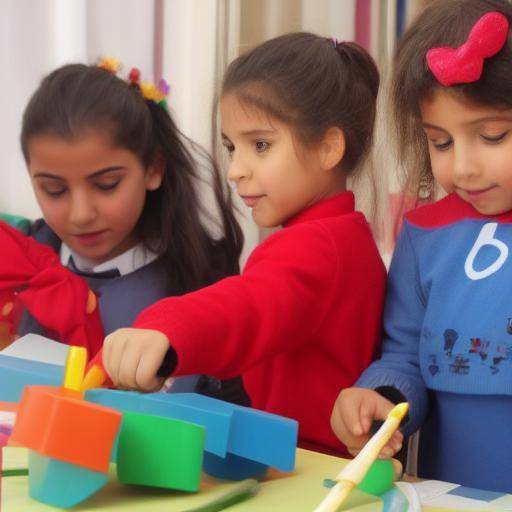
- Promote the Game in Group: Provide opportunities for children to interact and play in groups.
- Support Common Interests: Facilitate participation in activities that promote social interaction based on shared interests.
Tips for Parents and Caregivers
Promote Open Communication
- Listen with empathy: Be attentive to the emotions of children and provide a safe space for them to share their experiences.
- Teaching Conflicts: Helping children learn skills to deal with conflicts constructively.
Promote the Diversity of Friendships
- Support New Friendships: Encourage children to make new friendships and participate in activities that promote diversity of relationships.
Teaching Interpersonal Skills
- Promoting collaboration: Teach children to team up and support each other.
- Inculcate the Empathy: Show the importance of understanding the emotions and perspectives of others.
Conclusion
Building and maintaining healthy childhood friendships is essential for the comprehensive development of children. By fostering positive friendly relationships from an early age, the basis is for children to grow up as safe, compassionate and socially competent individuals. Let us recall that the role of parents, caregivers and educators is critical to promoting an environment conducive to the formation of healthy and lasting friendships in childhood.
Frequently asked questions
How can I teach my child to engage in group activities to foster healthy friendships?
Promoting children ' s participation in group activities is an excellent way of promoting the formation of healthy childhood friendships. Here are some strategies to teach children to engage in group activities in a positive way:
Model Positive Social Behaviors
Children learn by observing the behavior of adults around them. As a parent or caregiver, you can model how to interact positively in group environments. Showing empathy, courtesy and respect for others in social situations can positively influence children and teach them the importance of acting in a thoughtful and friendly way.
Provide Participation Opportunities
Providing children with opportunities to participate in group activities is essential. This may include enrolling them in extracurricular programs, such as team sports, art or music, or fostering their participation in community groups or social events. By participating in these activities, children have the opportunity to meet others with similar interests, which facilitates the development of friendships based on shared affinities.
Support the Development of Social Skills
Teaching children fundamental social skills, such as listening carefully, sharing, cooperating and effectively communicating, can prepare them to interact positively in group environments. Promoting the expression of emotions, conflict resolution constructively and understanding of individual differences also contributes to creating a solid basis for healthy group relationships.
Inclusion of Interest Exploration
Encourage children to explore different areas of interest and to participate in activities that encourage them. In doing so, they have the opportunity to interact with other children who share these passions, which gives them a common basis for connecting and developing meaningful friendships. By encouraging exploration for new interests, children are more likely to expand their social circle and establish diverse and enriching friendships.
Support and guidance
It is important to support children during the group engagement process. Listening to your experiences, providing guidance on how to establish healthy relationships and strengthen the importance of respecting others can be fundamental for you to feel safe and confident in interacting with your peers in group environments.
By fostering participation in group activities and providing the necessary support, children have the opportunity to develop valuable social skills and build meaningful childhood friendships. These healthy friendships not only contribute to the emotional well-being of children, but also provide them with a sense of belonging and connection with others.