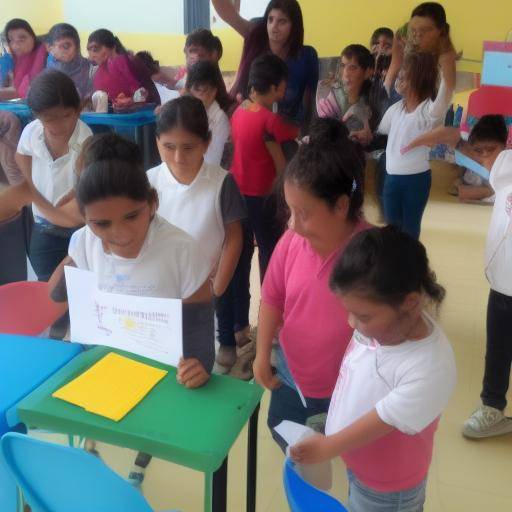
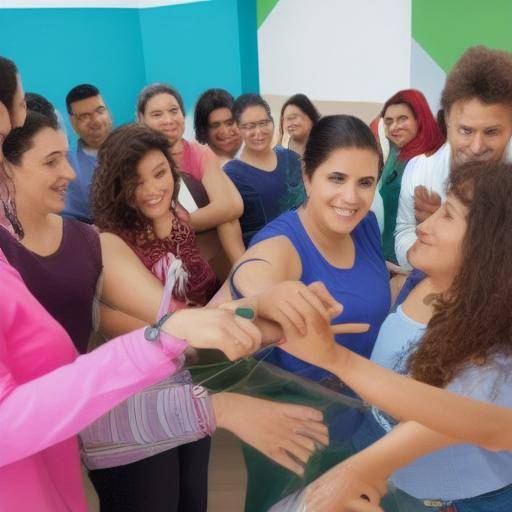
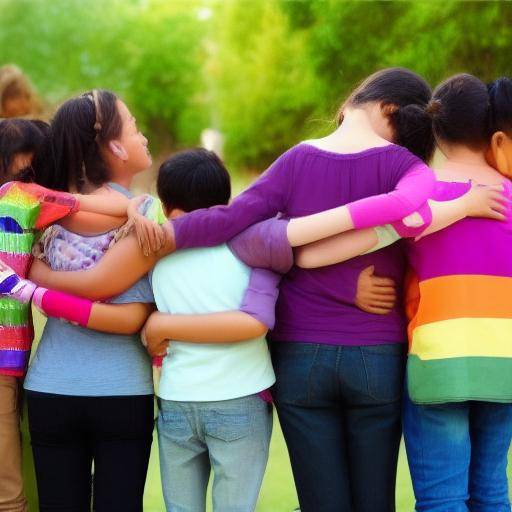
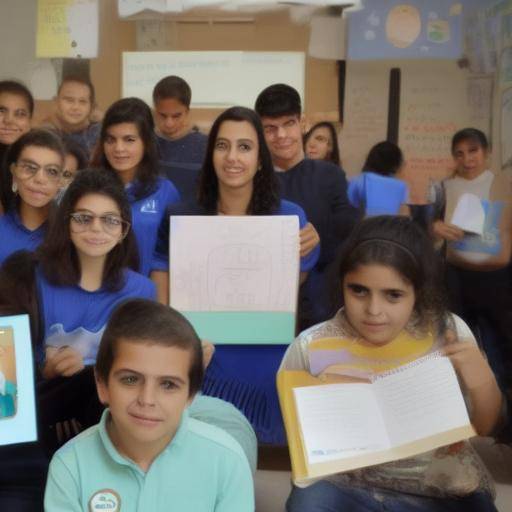
Promoting cultural inclusion in school activities is essential to creating an educational environment in which all students feel valued and represented. In this article, we will explore a variety of resources and strategies to promote cultural inclusion in the school environment. From history and background to practical advice and future forecasts, this article will provide an integral vision of how to enrich the educational experience through cultural diversity.
Introduction
To understand the importance of promoting cultural inclusion in school activities, it is essential to recognize diversity as an enriching asset for education. By encouraging cultural inclusion, schools can contribute to the formation of global citizens who respect and value differences. In this context, effective resources are crucial to facilitate the implementation of inclusive practices. This article will thoroughly explore the resources available to promote cultural inclusion in schools, providing valuable information for educators, parents and students.
History and Background
Cultural inclusion in school activities has deep roots in the history of education. From the enactment of integration laws to global movements for diversity, the path to cultural inclusion has experienced significant evolution.
Origins and Evolution
The concept of cultural inclusion in the educational field has its roots in social movements that seek equal rights and opportunities for all communities. The struggle for cultural inclusion has been marked by important milestones, such as the Universal Declaration of Human Rights in 1948, which laid the foundation for equality and respect for diversity. These historic events have influenced the evolution of inclusive educational practices over the years.
Key issues and developments
The emergence of civil rights and equality movements has been crucial in promoting cultural inclusion in education. In the school arena, the implementation of multicultural education programmes, the diversification of curricula and the promotion of intercultural awareness have been key milestones in the advancement of cultural inclusion. These developments have laid the foundation for the creation of resources and tools to promote diversity and mutual respect in classrooms.
Detailed Analysis
The detailed analysis of cultural inclusion in the educational context allows us to understand the current benefits, challenges and trends that influence this area. Cultural diversity in classrooms not only enriches the educational experience, but also prepares students to live and work in an increasingly interconnected world. However, there are challenges that need to be addressed, such as the identification and elimination of cultural prejudices, as well as the adaptation of teaching methods to reflect the diversity of students.
Full review
Cultural inclusion is not only limited to the diversification of curriculum content, but includes pedagogical practices, inclusive school environments and community collaboration. Effective implementation of cultural inclusion requires a holistic approach that addresses various aspects, from teacher training to the creation of welcoming educational environments for all. This comprehensive approach is critical to ensuring that resources for the promotion of cultural inclusion are effective and sustainable in the long term.
Comparative analysis
The comparison of different resources and strategies to promote cultural inclusion in school activities allows us to identify effective approaches that can be adapted to diverse contexts. By analyzing the diversity of available approaches and tools, a more comprehensive view of how to address cultural inclusion in educational settings is possible.
Similarities and Variances
By comparing resources to promote cultural inclusion, it is important to identify similarities and differences between them. While some resources can focus on incorporating diverse curriculum practices, others can focus on creating safe and welcoming spaces for all students. Understanding these similarities and differences provides a holistic vision that allows schools to select the most appropriate strategies for their individual needs.
Potential synergies
Exploring potential synergies between different resources and strategies for cultural inclusion can reveal opportunities to enrich and strengthen existing practices. By identifying areas of overlap and complementarity between different approaches, schools can develop comprehensive strategies that address various aspects of cultural inclusion simultaneously, thus maximizing the impact of their efforts.
Examples Detailed and Scenarios
The incorporation of detailed examples and real resource implementation scenarios to promote cultural inclusion in school activities provides clarity on how these resources can be implemented in practice. In presenting real cases of success and past challenges, a practical perspective is provided that helps educators to better understand the applicability and potential impact of each resource.
Practical Tips and Accessible Recommendations
In the implementation of resources to promote cultural inclusion in school activities, it is crucial to have practical advice and actionable recommendations that provide clear guidance on how to effectively implement these initiatives. These practical councils can guide educators, school managers and other relevant actors towards the adoption of sound inclusive practices.
Step by Step Guides
The provision of step-by-step guides for the implementation of specific resources facilitates understanding of the steps necessary to promote cultural inclusion in schools. These detailed guides can cover from the selection of diverse curriculum materials to the organization of intercultural events, providing educators with a clear framework for the implementation of inclusive strategies.
Details and Justifications
It is important to provide detailed explanations and justifications that support the adoption of resources for the promotion of cultural inclusion in school activities. By understanding the foundation behind these initiatives and their potential impact on the training of students, educators and other education professionals may feel more motivated and equipped to implement significant changes in their school environments.
Conclusions
In conclusion, resources to promote cultural inclusion in school activities play a key role in creating inclusive and enriching educational environments. From its historical origins to current challenges and opportunities, cultural inclusion in schools has evolved in response to the growing diversity of educational communities. By harnessing effective resources and well-designed strategies, schools can play a vital role in promoting intercultural understanding and mutual respect among their students.
FAQ - Frequently Asked Questions
What are the resources to promote cultural inclusion in school activities?
Resources to promote cultural inclusion in school activities are tools, educational materials and pedagogical strategies designed to promote respect for diversity, appreciation of different cultures and the creation of inclusive school environments.
Why is it important to promote cultural inclusion in school activities?
Promoting cultural inclusion in school activities is critical to ensuring that all students feel valued and represented in the educational environment. It also fosters intercultural understanding and prepares students to live in a diverse and globalized world.
What are some examples of resources to promote cultural inclusion in school activities?
Examples of resources to promote cultural inclusion in school activities include multicultural education programmes, curriculum materials that reflect cultural diversity, intercultural events and workshops on cultural awareness.
How can educators incorporate resources to promote cultural inclusion in their pedagogical practices?
Educators can incorporate resources to promote cultural inclusion in their pedagogical practices through the selection of diverse curriculum materials, the organization of intercultural activities and the adoption of pedagogical approaches that reflect the cultural diversity of their students.
What are the benefits of using resources to promote cultural inclusion in school activities?
The benefits of using resources to promote cultural inclusion in school activities include the creation of welcoming educational environments for all students, the promotion of empathy and intercultural understanding, and the preparation of students to participate in a diverse and globalized society.
What are some challenges associated with promoting cultural inclusion in school activities?
Some challenges associated with promoting cultural inclusion in school activities include the identification and elimination of cultural prejudices, the adaptation of teaching methods to reflect the diversity of students, and the creation of inclusive environments that respect all cultural identities.
How can parents collaborate in promoting cultural inclusion in school activities?
Parents can collaborate in promoting cultural inclusion in school activities by participating in intercultural events, sharing cultural traditions with the school community and supporting the selection of educational materials that reflect cultural diversity.
What is the role of technological resources in promoting cultural inclusion in school activities?
Technological resources can play an important role in promoting cultural inclusion in school activities by facilitating access to diverse educational materials, intercultural collaboration in virtual environments and sharing cultural experiences through digital platforms.
External references
- UNESCO - Cultural Diversity
- Edutopia - Promoting Cultural Diversity in the Classroom
- Paideia - Resources for Intercultural Education
Conclusion
Promoting cultural inclusion in school activities is a crucial element in the development of an educational environment that celebrates and values diversity. The effective implementation of resources and strategies to promote cultural inclusion in schools not only enriches educational experience, but also prepares students for active participation in a multicultural world.
In understanding the history and background of cultural inclusion, analyzing available resources, providing practical advice and projecting future trends, this article provides an integral insight into how to promote cultural inclusion in the educational field. Through the adoption of effective resources and collaboration between educators, parents and students, schools can become inclusive spaces that inspire mutual respect and appreciation of cultural diversity.