Introduction
Cultural diversity in secondary education is critical to helping students understand, respect and appreciate cultural differences in an increasingly globalized world. In this article, we will explore resources and strategies to promote cultural diversity in the educational environment. From history and background to practical advice and future trends, we will provide valuable information for educators, parents and all those interested in cultural enrichment in classrooms.
History and Background
The importance of fostering cultural diversity in secondary education has evolved over the years, reflecting changes in society and educational thinking. From civil rights movements to multiculturalist policies, cultural diversity has been at the centre of educational reflection.
Cultural diversity has deep roots in the history of humanity. In ancient times, civilizations exchanged knowledge, beliefs and customs, laying the foundations for cultural diversity. Throughout history, figures such as Mahatma Gandhi, Martin Luther King Jr. and Nelson Mandela have fought for equality and respect for diversity, significantly affecting the educational sphere.
Multicultural education has gone through various phases, from cultural assimilation to recognition and appreciation of differences. The inclusion of cultural diversity in the educational curriculum has been an important milestone in the struggle for equality and respect. Today, global interconnection and migration have reinforced the importance of diverse and multicultural education.
Deep analysis
Promoting cultural diversity in secondary education entails countless benefits, but also significant challenges. Exposure to diverse cultures enriches critical thinking, promotes empathy and prepares students for a globalized world. However, the effective implementation of cultural diversity in the classroom can face resistance or lack of resources.
According to research, cultural diversity in the classroom promotes an environment of mutual respect and enriches learning by offering multiple perspectives on a topic. Students can develop intercultural skills and life skills in a diverse society. However, addressing cultural diversity also poses challenges in terms of equity, access to resources and training for teachers.
The debate on cultural diversity in secondary education covers various areas, from the need to adapt teaching methods to the importance of promoting positive models of intercultural interaction. The inclusion of cultural diversity is not only a question of social justice, but also key to preparing future generations for the challenges of a diverse and globalized society.
Comprehensive review
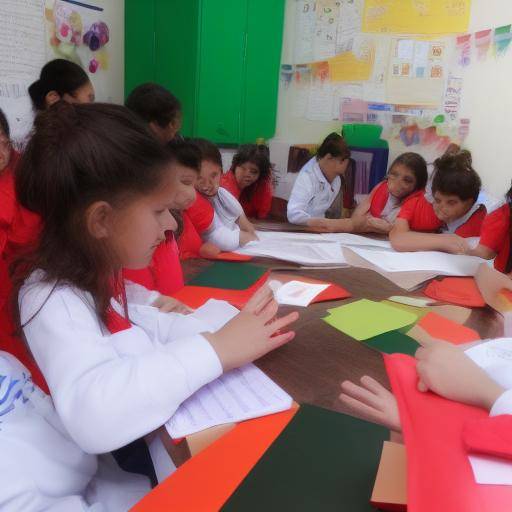
Promoting cultural diversity in secondary education is realized through specific educational resources. Tools such as updated textbooks, diverse audiovisual material and cultural exchange programs can enrich the educational experience. In addition, pedagogical strategies that encourage the active participation of students from different cultural backgrounds are critical to creating inclusive and enriching environments.
Education experts highlight the importance of teacher training in intercultural skills, in order to promote an educational approach sensitive to cultural diversity. The design of school programmes that include intercultural activities, collaboration with ethnic and cultural communities, and the promotion of tolerance and respect are key practices in fostering cultural diversity in secondary education.
Comparative analysis
It is essential to understand the relationship between resources, the promotion of cultural diversity and its impact on secondary education. Appropriate educational resources, together with a clear intention of fostering diversity, can significantly contribute to the creation of a multicultural environment in classrooms. For example, the incorporation of diverse literature representing different cultures and realities in the curriculum can promote empathy and intercultural understanding among students.
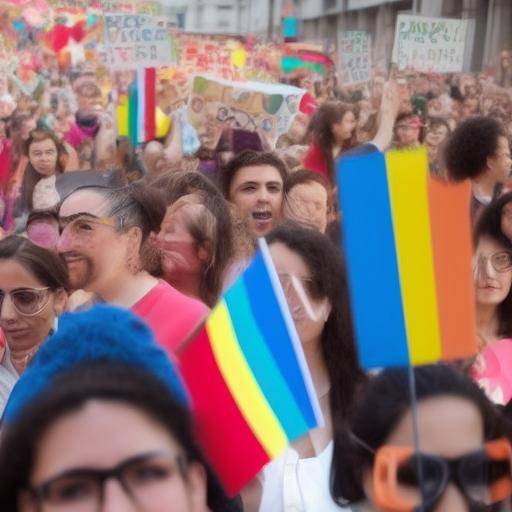
In addition, the implementation of extracurricular programs that celebrate cultural diversity, such as festivals, artistic presentations and community activities, can enrich educational experience and encourage inclusion. Similarly, the training of the teaching body in strategies to address cultural diversity and the development of an inclusive learning environment are key areas for strengthening the promotion of cultural diversity in secondary education.
Practical Tips and Recommendations
For educators interested in promoting cultural diversity in secondary education, it is recommended that:
- Include educational materials representing diverse cultures and perspectives in the curriculum.
- Promote the active participation of students from different cultural backgrounds in the educational process.
- Promote cultural exchange programmes and collaboration with ethnic and cultural communities.
- Provide teacher training in intercultural skills and strategies to address diversity in the classroom.
- Create an inclusive learning environment that celebrates and respects cultural diversity.
These practical councils can contribute to fostering cultural diversity in secondary education, promoting an enriching and equitable educational environment for all students.
Industrial Reflections and Expert Reviews
Education experts emphasize that the approach to cultural diversity in secondary education is critical to preparing students for a globalized and multicultural world. In addition, they highlight the importance of collaboration between educators, communities and educational authorities to ensure that resources and strategies to promote cultural diversity are effectively implemented.
In addition, educational leaders underscore the need for inclusive policies and sustainable programmes that promote cultural diversity in secondary education, which will contribute to the formation of informed, diversity-sensitive citizens and able to contribute positively to a multicultural society.
Case Studies and Practical Applications
A relevant case study on the promotion of cultural diversity in secondary education is seen in the program implemented by a school that, through collaborations with community organizations, incorporated cultural and linguistic activities that reflected the diversity present in the student community. As a result, there was an increase in participation and academic performance, as well as an improvement in the school climate and coexistence among students from various cultural backgrounds.
Another outstanding example is the initiative of a teaching body that implemented a cultural exchange program that allowed students to experience enriching experiences by interacting with peers from different cultures, which generated greater cultural openness and a more inclusive school environment.
These case studies show that the promotion of cultural diversity in secondary education not only enriches educational experience, but also promotes greater understanding and respect among students, preparing them to participate positively in a diverse society.
Future Trends and Predictions
In line with current trends, the promotion of cultural diversity in secondary education is expected to remain a priority in the educational field. Greater emphasis is expected on the inclusion of educational resources that reflect cultural diversity, as well as the strengthening of extracurricular programmes that celebrate different traditions, customs and cultural expressions.
In addition, there is a greater focus on teacher training in intercultural competencies and strategies to promote inclusive environments, which will contribute to creating educational environments that honor and value cultural diversity. Increased participation of educational communities, including parents and community organizations, is also expected in promoting cultural diversity in schools.
These trends reflect a continuing commitment to promoting cultural diversity in secondary education, recognizing its importance in preparing students as citizens of the world.
Conclusions
Promoting cultural diversity in secondary education is critical to promoting respect, understanding and appreciation of differences in the educational environment. Through the inclusion of diverse educational resources, inclusive pedagogical strategies and programmes that celebrate diversity, an enriching and equitable educational environment can be created for all students. This work requires continued commitment by educators, educational authorities and the community at large to ensure an inclusive and respectful approach to cultural diversity in classrooms.
Cultural diversity in secondary education not only enriches the learning of students, but also prepares them to be informed and sensitive citizens, able to contribute positively to increasingly diverse and global societies.
Frequently asked questions
1. What are the benefits of fostering cultural diversity in secondary education?
Promoting cultural diversity in secondary education promotes mental openness, intercultural respect, empathy and critical thinking. It also prepares students to live and contribute to a diverse and globalized world.
2. How can educators promote cultural diversity in the classroom?
Educators can promote cultural diversity in the classroom through the inclusion of diverse educational materials, promoting mutual respect and the active participation of students from different cultural backgrounds, and offering extracurricular programs that celebrate diversity.
3. What are the challenges associated with promoting cultural diversity in secondary education?
Some challenges include resistance to the inclusion of cultural diversity, lack of diverse educational resources and the need for teacher training in intercultural skills.
4. How can parents support the promotion of cultural diversity in secondary education?
Parents can support the promotion of cultural diversity by participating in school activities that celebrate diversity, promoting intercultural respect at home and showing interest in cultural diversity in the education of their children.
5. What impact does cultural diversity have in preparing students for the future?
Cultural diversity prepares students to be informed and sensitive citizens, able to interact and contribute positively in diverse and global societies, which is fundamental in an interconnected world.
6. What are some effective strategies to promote an inclusive and respectful educational environment?
Some effective strategies include the training of teachers in intercultural skills, the inclusion of diverse educational resources in the curriculum, and the promotion of extracurricular programmes that celebrate cultural diversity.
Conclusion:
Promoting cultural diversity in secondary education is vital for the integral development of students and the construction of inclusive societies. Enrichment through diverse educational resources, inclusive pedagogical strategies and programmes that celebrate diversity contributes to the formation of informed and sensitive global citizens. This commitment to cultural diversity enriches both learning and coexistence, preparing future generations for an increasingly diverse and globalized world.
With the implementation of the above practices and resources, a solid foundation can be established for the promotion of cultural diversity in secondary education, paving the way for a more inclusive and respectful future.