Introduction
Respect for cultural traditions is a fundamental pillar in building identity and family cohesion. Promoting this respect for the roots and customs of one's own, as well as others', is a value that enriches the family core and promotes cultural diversity. In this article, we will explore the importance of promoting respect for cultural traditions in the family, offering practical strategies to cultivate this aspect at home and strengthen family ties.
History and Background
Cultural traditions are expressions of the acquis of a human group, transmitted from generation to generation, the fruit of their history, beliefs, customs, and rituals. Its importance lies in preserving identity, promoting the sense of belonging and transmitting values to new generations. Since ancient times, cultural traditions have played a crucial role in social cohesion and the enrichment of cultural heritage.
In different cultures around the world, we can appreciate the diversity of traditions that reflect the way of life, beliefs and experiences of each community. From religious festivals to harvest celebrations, each tradition has its own history and meaning rooted in the identity of a people. These cultural practices have evolved over time, adapting to changing circumstances and keeping alive the roots of a society.
Cultural traditions have resisted time, conflict and socio-political changes, demonstrating their ability to be a lasting intergenerational link. Today, respect for these traditions has become a means of promoting cultural diversity, intercultural dialogue and tolerance, vital elements for the development of a globalized society.
Deep analysis
The promotion of respect for cultural traditions in the family brings many benefits. In promoting understanding and appreciation for different cultures, tolerance and respect for diversity are encouraged. In addition, the rooting of traditions strengthens family ties, providing a sense of belonging and generational continuity.
However, challenges arise when attempting to inculcate respect for cultural traditions in a family environment, especially in multiculturally fluid societies. The influence of globalization and the predominance of certain lifestyles can challenge the preservation of cultural traditions. It is essential to address these challenges with sensitivity and effective strategies that strengthen appreciation for cultural diversity.
In contemporary society, the multiplicity of cultural perspectives and practices demands a deep and respectful understanding, as well as intercultural skills that will enable us to live together in harmony and with mutual respect. This profound analysis leads us to reflect on the need to promote respect for cultural traditions in a family environment, as a fundamental pillar for the construction of inclusive and respectful societies.
Exhaustive examination
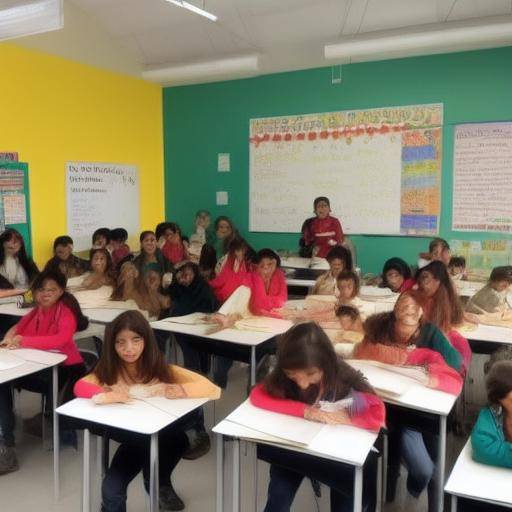
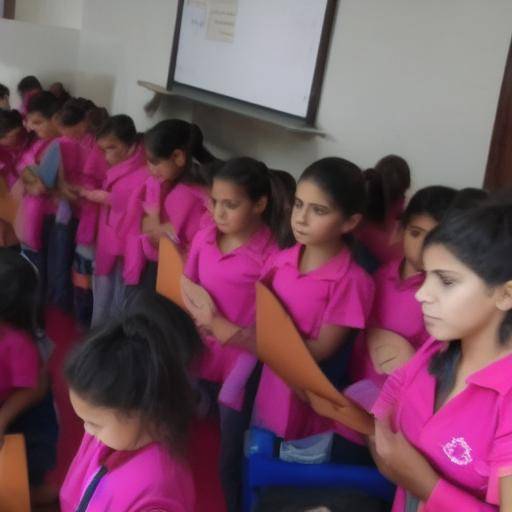
To promote respect for cultural traditions in the family, it is crucial to adopt inclusive approaches that promote openness, respect and understanding. Education plays a key role in providing appropriate contexts for intercultural dialogue and promoting respect for diversity. This can be achieved through enriching experiences, exposure to different cultural manifestations and sharing of traditions.
Arts, music, literature and cinema also play a significant role in promoting respect for cultural traditions. Through these cultural expressions, the riches of diverse cultures can be explored and appreciated, thus nourishing the sensitivity and the intercultural knowledge. Active participation in cultural events and interaction with people from different backgrounds foster mutual understanding and assessment of differences.
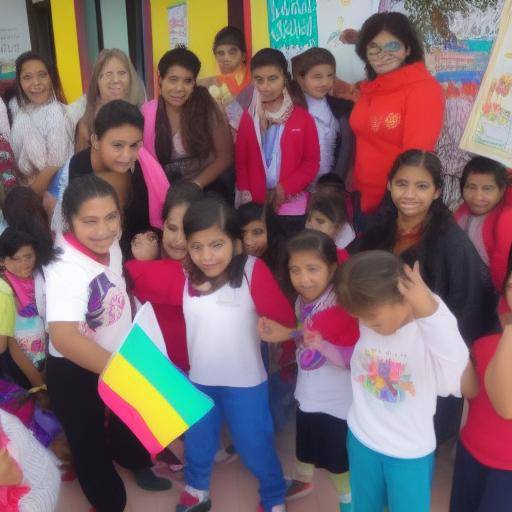
Traditional holidays and family rituals also offer opportunities to promote respect for cultural traditions. Engaging all family members in the preparation and celebration of cultural holidays strengthens the sense of identity and belonging. In addition, engaging in community projects focused on the preservation and promotion of cultural traditions can inspire greater appreciation for cultural diversity.
Comparative analysis
The promotion of respect for cultural traditions is similar to the promotion of mutual respect, the valuation of diversity and the construction of social cohesion. In essence, these practices are interconnected and reinforce the notion that all cultures deserve recognition and respect. At the same time, it is important to recognize that every cultural tradition is unique in its own essence, and its preservation contributes to the wealth of world heritage.
Strategies to promote respect for cultural traditions in the family resemble the tactics used to cultivate an environment of respect and empathy in general. The promotion of tolerance, understanding and openness to different forms of life is reflected in strategies to promote respect for cultural traditions. In adopting a comparative approach, the interconnection of these practices with the promotion of social harmony and mutual understanding is highlighted.
Tips and Suggested Actions
- Expose the family to a wide range of cultural expressions through events, festivals and exhibitions. - Promote active participation in traditional festivities, instilling the value of preserving cultural roots.
- Implement educational activities that promote cultural diversity, history and traditions of different peoples. - To engage in community projects focused on the preservation and promotion of cultural traditions. - Promote intercultural dialogue and openness to different perspectives through family discussions on cultural traditions.
Industry Visions and Expert Reviews
According to experts in the field of sociology and anthropology, fostering respect for cultural traditions in the family is essential for the development of an inclusive and respectful society. According to Dr. Juan Pérez, an anthropologist recognized for his work in cultural preservation, "Cultural traditions are fundamental pillars in building cohesive societies and enriching the social fabric."
On the other hand, organizations dedicated to the promotion of cultural diversity emphasize the importance of involving the family in initiatives that promote respect for cultural traditions. Ana Martínez, director of an NGO focused on intercultural integration, said: "The family plays a crucial role in transmitting respect for cultural traditions. It is at home where values and appreciation for cultural diversity are forged."
Case studies and practical applications
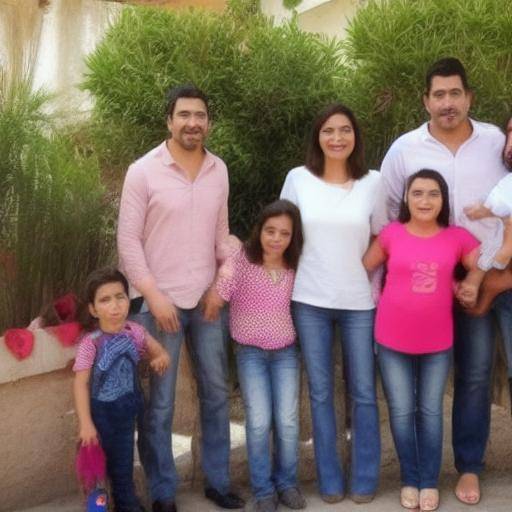
One outstanding case is that of the Ramirez family, which decided to inculcate their children the respect for the cultural traditions of their country of origin, Mexico. Through the celebration of traditional festivities, the preparation of typical dishes and participation in community events, they managed to strengthen the sense of cultural identity in their children and promote an environment of respect for family roots.
Future Trends and Predictions
In the future, the promotion of respect for cultural traditions in the family is expected to gain greater relevance in a globalized environment. As societies become more interconnected, promoting cultural diversity and respect for cultural traditions will be regarded as a crucial factor for harmonious coexistence and sustainable development. In addition, with the advancement of technology, families will have the opportunity to explore and learn about various cultural traditions through digital media, which will foster the global appreciation of cultural diversity.
Conclusion
Promoting respect for cultural traditions in the family is a crucial pillar for building inclusive societies and strengthening family ties. By cultivating appreciation for cultural diversity, mutual understanding is promoted and family life is enriched. The preservation of cultural traditions is a manifestation of respect for the roots, which in turn contributes to the wealth of world heritage.
Frequently asked questions
1. Why is it important to promote respect for cultural traditions in the family?
Promoting respect for cultural traditions in the family is important because it promotes cultural diversity, strengthens family ties and fosters tolerance and mutual understanding among different cultures.
2. How can parents foster respect for cultural traditions in their children?
Parents can promote respect for cultural traditions in their children through active participation in traditional holidays, exposure to different cultural manifestations, intercultural dialogue and education on the history and customs of different cultures.
3. What is the role of education in promoting respect for cultural traditions in the family?
Education plays a key role in providing appropriate contexts for intercultural dialogue, promoting respect for diversity and sharing traditions. Through enriching experiences, exposure to different cultural manifestations and teaching the history and traditions of different peoples, respect for cultural traditions in the family is promoted.
4. What are the benefits of fostering respect for cultural traditions in the family?
The benefits of fostering respect for cultural traditions in the family include promoting cultural diversity, strengthening family ties, transmitting values and enriching the sense of identity and belonging.
5. How can families promote respect for cultural traditions in a multicultural environment?
Families can promote respect for cultural traditions in a multicultural environment through participation in traditional holidays, shared customs, cultural diversity education and the promotion of intercultural dialogue.
6. What is the long-term impact of fostering respect for cultural traditions in the family?
The long-term impact of fostering respect for cultural traditions in the family includes the promotion of inclusive societies, the valuation of cultural diversity, the strengthening of family ties and the development of intercultural skills that enable us to live in harmony and with mutual respect.
In short, the promotion of respect for cultural traditions in the family is essential for building inclusive societies, promoting cultural diversity and strengthening family ties. By adopting inclusive approaches that promote openness, respect and understanding, families can contribute significantly to the preservation and promotion of cultural roots, thus enriching the world heritage.
Cultural traditions are links that connect the past with the present and the future, and cultivating respect for them within the family is a guarantee of preserving the wealth and diversity of humanity for generations to come.