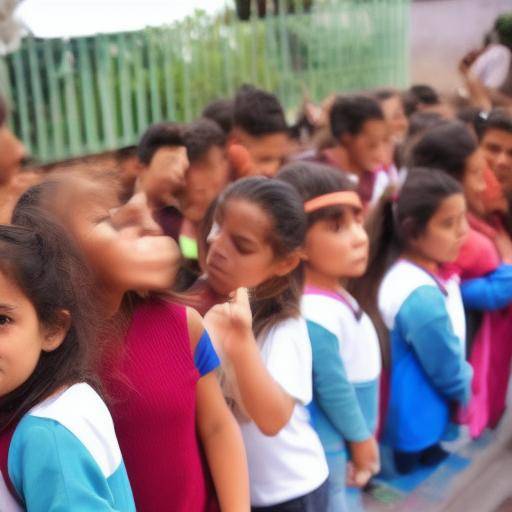
The school environment is the place where students spend most of their time during their development, so it is crucial to promote a culture of respect that promotes inclusion, empathy and tolerance. In this article, we will explore the importance of fostering a culture of respect in the school environment, how it has evolved throughout history, current challenges and future trends. We will also provide practical advice and expert perspectives to implement effective strategies. Join us on this journey towards building more respectful and understanding school environments!
History and Background
The need to foster a culture of respect in the school environment has profound historical roots. From the first educational systems, the idea of inculcating values of respect and tolerance has been a common goal. In ancient times, the philosophical schools in Greece and Rome sought to promote respect among their students, fostering dialogue and mutual understanding.
In the most recent context, civil rights and equality movements have influenced how school education and culture are addressed. The struggle for inclusion has led to greater emphasis on promoting respect for diversity and equity in educational settings.
Important Developments
Throughout history, there have been significant developments in promoting a culture of respect in the school environment. The ratification of international treaties protecting children ' s rights and the adoption of laws and policies that promote non-discrimination have been important milestones on this path.
Scenarios and Anecdotes
In this section, we will explore specific cases that highlight the importance of fostering a culture of respect in the school environment. These practical examples will help to understand how the strategies implemented have had a positive impact on the coexistence and development of students.
Deep analysis
Promoting a culture of respect in the school environment not only influences the well-being of students, but also entails long-term benefits both at the individual and social levels. Studies show that respectful school environments increase student satisfaction, reduce violence and improve academic performance. However, they face challenges such as school harassment, discrimination and intolerance, and it is crucial to address these problems effectively.
Statistics and Prácticos Examples
The analysis will be supported by relevant statistics and practical examples to illustrate the importance of fostering a culture of respect in the school environment. Data on the impact of school harassment, discrimination or lack of inclusion will help to underpin the importance of implementing effective strategies.
Perspectives and Views
Various perspectives and opinions of experts on pedagogy, psychology, sociology and other related fields will be presented to provide a broad overview of the challenges and opportunities associated with fostering a culture of respect in the school environment.
Comprehensive review
In this section, we will explore the practical applications of promoting a culture of respect in school environments, as well as best practices for their implementation. We will provide an in-depth analysis of effective strategies, available tools and lessons learned from successful cases.
Methodologies and Approaches
Different methods and approaches used to foster a culture of respect in the school environment will be compared. From mentoring programs to extracurricular activities, the most effective methods will be analysed to promote respectful and empathic coexistence among students.
Perspectives of Experts and Future
Predictions will be provided on the future of fostering a culture of respect in the school environment, based on current trends and expert views. This analysis will allow readers to anticipate and prepare for changes that may influence the construction of more respectful school environments.
Comparative analysis
In this section, the importance of fostering a culture of respect with other key factors in the school environment, such as academic performance, discipline or securities training, will be contrasted. The intersections and synergies between respect, culture and promotion will be highlighted.
Examples and Illustrations
Examples and specific situations highlighting the importance of integrating a culture of respect with other relevant aspects of the school environment will be included. These examples will illustrate how respect can influence areas such as school climate, academic performance and coexistence.
Practical Tips and Concrete Actions
This section will offer practical advice and concrete actions that educators, school administrators and parents can implement to promote a culture of respect in the school environment. Proven strategies will be presented, as well as available resources and tools to facilitate the implementation of these actions.
Lists and Guides Step by Step
Lists will be presented with concrete actions and step-by-step guides to facilitate the understanding and implementation of practical advice. These lists and guides will serve as practical tools for those seeking to improve the culture of respect in school settings.
Industry Perspectives and Expert Reviews
In this section, the perspectives of experts from the educational industry and related fields on promoting a culture of respect in the school environment will be compiled and presented. These views will provide an enriching and up-to-date view of the challenges and opportunities in this area.
Trend and Prognostic Analysis
Current trends will be analysed and forecasts will be provided on the development of a culture of respect in the school environment. This will allow readers to better understand the changing dynamics and be prepared for potential developments in the educational field.
Case Studies and Practical Applications
In this section, real cases and practical applications for fostering a culture of respect in school settings will be presented. These case studies will provide concrete examples of how respect-building strategies have been successfully implemented and have had a positive impact on the school environment.
Results and Lessons Learned
The results obtained from case studies will be reviewed and lessons learned that can serve as a reference for those seeking to implement similar strategies will be drawn. This analysis will make it possible to understand in depth the impact of promoting a culture of respect in the school environment.
Future Trends and Predictions
Finally, there will be emerging trends related to fostering a culture of respect in the school environment, along with predictions on how this field could evolve in the future. This analysis will provide a prospective vision that will help readers prepare for upcoming changes and challenges.
Conclusion and Frequently Asked Questions
Conclusion
In conclusion, the key points of the article will be summarized, reinforcing the importance of promoting a culture of respect in the school environment. A final reflection will be offered that invites readers to take concrete measures in their own educational environments to promote a respectful and enriching environment.
Frequently asked questions
- Why is it important to foster a culture of respect in the school environment?
- The fundamental importance of promoting a safe and respectful school environment for the well-being and comprehensive development of students will be addressed.
- What challenges are they facing in fostering a culture of respect in schools?
- Common challenges, such as school harassment, discrimination and lack of inclusion, will be explored and strategies will be offered to address them.
- How can parents contribute to fostering a culture of respect in the school environment?
- Recommendations and strategies will be provided for parents to support and promote a culture of respect at school and at home.
- Is there any evidence to support the benefits of fostering a culture of respect in the school environment?
- Studies and findings will be presented that support the academic, emotional and social benefits of promoting a culture of respect in school settings.
- What role do extracurricular programs play in promoting a culture of respect in the school environment?
- The impact of extracurricular programs on the promotion of values of respect, integration and tolerance among students will be discussed.
- What are some effective strategies to promote the peaceful resolution of conflicts in the school environment?
- Strategies and approaches will be presented to promote conflict resolution in a peaceful and constructive manner in the school environment.
Disclaimer: The answers provided are for informational and educational purposes. It is recommended to consult qualified professionals for specific advice.
In short, fostering a culture of respect in the school environment is essential for the comprehensive development of students and the well-being of the educational community as a whole. This article provides a comprehensive guide to understanding the importance, challenges, effective strategies and future trends related to fostering a culture of respect in the school environment. By promoting a culture of respect, school environments can become safe, enriching and sustainable spaces where each student can reach their full potential.