Introduction
In our daily lives, we face a constant bombing of obligations and responsibilities. Many times, these burdens can affect our physical and mental health, as well as that of our family. But what would happen if I told you that within those daily routines is a golden opportunity to transform our life into well-being? This is the promise of the "alchemy of domestic welfare".
When talking about transformation, routines and health, this article will take you through a journey that explores how small changes in our daily habits can have a significant impact on the quality of life. We will analyze the history and development of these notions, the benefits we can get when implementing them, practical applications in everyday life and expert perspectives on the subject. In the end, you will be equipped with valuable tools and ideas that you can incorporate into your home to promote a healthier and harmonious environment.
Throughout this article, we will explore how the transformation of our routines can not only improve our health, but also the family dynamic, creating a home where each member feels valued, cared for and above all healthy. We will also include case studies of families who have successfully applied these principles, which will provide a practical and effective view of what it really means to practice well-being alchemy.
History and Context
Origins of Transformation in Cotidian Ruins
The idea of transforming routines into beneficial practices is not a new concept. Throughout history, various cultures have understood the importance of daily rituals in the promotion of health. In ancient Greece, for example, health was considered a balance between body, mind and environment. Philosophers like Hippocrates promoted lifestyles that included balanced feeding, regular exercise and a clean and harmonious environment.
Over time, the approach to health has evolved. In the twentieth century, with the appearance of modern medicine, health began to be seen from a more scientific and less holistic perspective. However, in the twenty-first century, a more comprehensive approach has emerged, where the transformation of daily routines has become vital.
Travel to Health Consciousness
With the rise of technology and the frenetic rhythm of modern life, many have begun to realize that well-being is not only the absence of disease, but an active state of health that involves the mind, body and spirit. This rebirth has led to movements such as minimalism and conscious food, where people seek to simplify their lives and find meaning in their daily choices.
An example of this transformation process can be seen in households that have adopted sustainable life practices, choosing products that are good for health and the environment. In doing so, they are not only caring for their health, but also for their loved ones and the planet in general.
Milestones in the Promotion of Family Health
- 1986: The Ottawa Charter, a fundamental document that highlighted the importance of promoting a positive approach to health, including the importance of routines in daily life.
- 2001: The concept of "family health" is formed in several international policies, emphasizing that the health of each individual is intrinsically linked to family routines.
- 2010: The growing awareness of the impact of sedentary life and unhealthy food leads to global campaigns on health education.
Little success stories: Consider families who have integrated yoga and meditation in their day to day, transforming their physical and mental health. Many report a greater sense of connection and well-being thanks to these changes, demonstrating that with small modifications, family health can flourish.
Analysis in Deep
Benefits of Routine Transformation
Transforming our daily routines can generate remarkable benefits in our health. From a lower incidence of disease to increased productivity and emotional well-being, results are undeniable.
- Physical Health: Implementing a routine exercise can help prevent chronic diseases such as diabetes or hypertension.
- Mental well-being: Practices such as meditation can reduce stress, anxiety and improve sleep quality.
- Strengthening of the Family Union: By sharing healthy activities, such as cooking together or exercising in the family, a sense of community and support is encouraged.
Challenges in Implementation
However, the transformation of routines is not without challenges. These include resistance to change, lack of time and difficulty in finding activities that are attractive to all family members. It is crucial to understand that every family is unique and what works for one may not be effective for another. For this reason, it is essential to adopt a personalized and flexible approach.
Current Trends in Family Health
Family health is constantly evolving, and now there are several trends that are gaining popularity. These include:
- Sustainable Lifestyle: Families are adopting more ecological practices, from plant-based diets to reducing plastic consumption.
- Health Technology: Health monitoring applications and devices are helping families track their physical activity and eating habits.
- Conscious food: The growing awareness of food quality has led many families to opt for chemicals free organic products.
Comprehensive review
Practices and Best Practices
The transformation of routines for family health requires a plan. Below are some practical applications that can be considered when implementing changes in the home:
- Food Planning:
- Make a weekly menu that includes healthy options.
- It involves all members in the selection of recipes.
- Family Exercise:
- Sets one or two days a week dedicated to physical activities together, such as walks or sports.
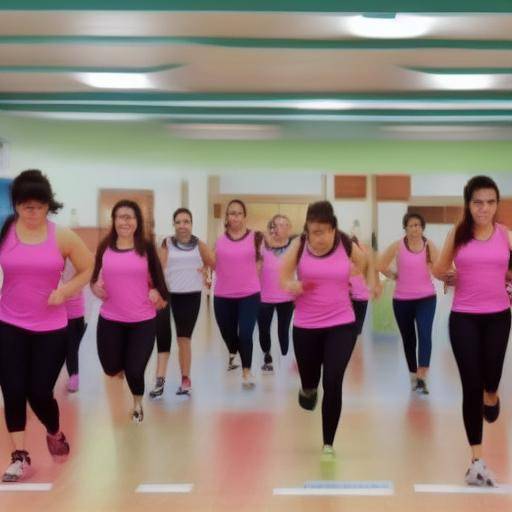
- Consider family yoga classes or dance.
- Welfare rituals:
- Try daily meditation or gratitude practices as a family.
- Designate a specific time for relaxing activities, such as reading out loud or playing table games.
Opinions of Experts
According to Dr. María Pérez, a nutritionist and family health specialist, "the transformation of daily routines is the key to a healthier life. Often, we underestimate the impact of the quality time we spend together doing healthy activities."
On the other hand, the psychologist and life coach, Juan López, emphasizes: "involving the entire family in this transformation not only improves individual health, but also the cohesion of the group. Everyone must feel part of the change."
Method Comparisons
While there are multiple approaches to transforming routines, some are more effective than others depending on family dynamics. For example, some families will find a rigidly structured approach useful, while others thrive with flexibility.
- Rigid method: Ideal for families that thrive with routine and organization. This may include fixed schedules for meals, exercise and rest.
- Flexible method: Perfect for families who need to adapt to changing commitments or who want to foster creativity in their activities.
Comparative analysis
The combination of transformation, routines and health may initially seem isolated, but there is surprisingly much interconnection between these concepts.
Similarities and Variances
- Similarities:
- Everyone seeks to improve the quality of life.
- Social and emotional well-being is a common factor.
- Variances:
- While "transformation" implies significant change, "ruins" can remain constant, and "health" can be a short-term or long-term goal.
Potential synergies
The impact of making changes in daily routines is what really allows the transformation to happen. Families who focus on both their health and their emotional well-being have more chances of experiencing a positive change in their quality of life.
Practical Tips and Accessible Tips
To facilitate the transition to a healthier home, here is a list of practical tips:
- Establish realistic goals: Starts with small changes and increases the complexity of routines gradually.
- Create a Family Register: Take a diary where everyone can score their health-related activities and achievements.
- Open communicating: Encourages an environment where everyone feels comfortable sharing their feelings and health concerns.
Step by Step Guide
- Family energy: Make a family meeting to talk about health and well-being.
- Development of a Common Plan: They create together a plan that includes physical activity and healthy eating.
- Evaluation: After a few weeks, re-evaluate what has worked and what needs adjustments.
Industry Perspectives and Expert Reviews
Inhealth and well-being experts continue to discuss how healthy routines can shape a sustainable lifestyle. According to Dr. Javier Morales, specialist in lifestyle medicine, "the implementation of significant changes in daily routines not only benefits physical health, but also creates a powerful sense of community and purpose in the home."
The welfare industry has evolved to include a variety of resources and tools that are available to families seeking to improve their quality of life. From health applications to family cooking programs, there are countless options available.
Emerging trends
Examining current trends, it is clear that technology plays a dynamous role in family health. With the boom of portable devices and mobile applications, families are more connected and committed to their healthy routines. This may include:
- Activity monitoring: Devices like smart watches allow family members to track their physical activity and health progress.
- Food Planning Applications: Tools to organize meals, plan food and share healthy recipes.
- Online Communities: Social media groups that encourage motivation and exchange of ideas about healthy family habits.
This type of interconnection highlights how family well-being can be improved not only through changing habits, but also through mutual support and collective education.
Case Studies and Real World Applications
To illustrate the effectiveness of routine transformation, let's consider some family stories that have successfully implemented these changes.
Case 1: La Familia Rodríguez
Following a series of health problems that affected several family members, the Rodriguez decided to adopt a well-being-centred routine. They started practicing yoga together every morning and preparing healthy family meals. Open communication on your needs and wishes was crucial to maintaining your commitment, which eventually led to the improvement of your overall health and your emotional connection.
Case 2: La Familia Pérez
The Perez, who used to depend on fast food and had no time for physical activity, implemented a weekday dedicated to "family cook." On this day, each member chooses a healthy recipe and engages in preparation. This decision not only led to a healthier diet, but also allowed them to enjoy valuable moments together.
Lessons Learned
Both families demonstrate that real transformation is possible through collaboration, commitment and the creation of a family support environment. Changes in routines can lead to greater happiness and improved health in a short period.
Future Trends and Predictions
In a rapidly advancing world, it is essential to look into the future and anticipate how current trends can evolve. Here are some predictions about how family health and routines will continue to develop:
- Increased Mental Health Awareness: Mental health will become a fundamental component of family health. Families will adopt routines that not only focus on the physical, but also on emotional well-being.
- Personalized Life Style Planning: With increasingly sophisticated tools, families can customize their health and well-being practices according to their individual and collective needs.
- Continuous education: The integration of health and well-being education programmes into schools and communities will become a standard. This will help future generations to value the importance of maintaining healthy routines.
Conclusion
The alchemy of domestic welfare is a continuous process that requires commitment, dedication and adaptability. Transforming daily routines into practices that promote family health is not only possible, but essential. Evidence suggests that the benefits are invaluable, from strengthening family ties to improving physical and mental well-being.
By implementing changes in our daily routines, we not only promote a healthier home, but also create an environment where all members feel supported and motivated. The key is in small steps towards a greater goal: health and well-being for the whole family.
We encourage you to start this transformation today. Remember, every little change counts on finding a lasting health gold.
Frequently asked questions
1. What initial steps can I take to start transforming my family's routines?
A good strategy is to identify which areas need more attention, such as food or physical activity. From there, it plans small changes that everyone can adopt. It begins by designating a "Being Day" in which the whole family is involved in a healthy activity, such as cooking together or taking a walk.
2. How can I motivate my family to adopt healthier lifestyles?
The key is to make healthy activities fun and attractive. You can involve each family member in choosing activities, from healthy recipes to exercises. It is also vital to celebrate achievements, however small, to maintain enthusiasm.
3. What types of healthy routines can be implemented at home?
There are many healthy routines you can incorporate, such as:
- Healthy cuisine in the familywhere everyone participates in the preparation of meals.
- Days of exercise where you choose a sport or physical activity to do together.
- Relaxation practiceslike meditation or yoga.
4. Do I need to be a health expert to implement changes in family routines?
No, it's not necessary. Most changes can be implemented through basic information on healthy habits. You can search for online resources, attend workshops or consult with a specialist for initial guidance.
5. How can healthy routines influence the mental health of the family?
Healthy routines encourage connection and mutual support among family members, which is essential to mental health. In addition, activities such as exercise and meditation have proven to reduce stress and anxiety, improving emotional well-being.
6. How to maintain commitment to new family routines?
The key is open communication and mutual support. It considers establishing a system of rewards when achieving health and well-being goals. It is also essential to review and adjust routines regularly to keep them interesting and attractive for everyone.
With these tips and strategies, you will be well equipped to start and maintain a positive transformation in the health of your family. Ultimately, the alchemy of domestic welfare will not only change your routines, but will enrich the quality of life in your home, creating a legacy of health and happiness that will last for generations.