IntroductionEmotional well-being in children is essential for their comprehensive development. Activities that promote mental and emotional health from an early age have a significant impact on their well-being throughout life. In this article, we will explore a variety of activities designed to promote emotional well-being in children, as well as their importance in education and mental health. We will find out how these activities can help children develop emotional skills and face challenges positively.
History and BackgroundActivities aimed at promoting emotional well-being in children have their roots in various philosophical and psychological currents that have evolved over time. From the first theories on child development to contemporary research in positive psychology, it has been shown that emotional experiences in childhood influence mental health throughout life. Over the years, significant progress has been made in understanding the importance of emotional well-being and its impact on the overall development of children.
Analysis in DeepWe will analyze the benefits of activities to promote emotional well-being in children, as well as the challenges faced by educators and parents in implementing these practices. We will examine statistical data, case studies and concrete examples that support the effectiveness of such activities. In addition, we will explore different perspectives and opinions of experts in the field of education and mental health related to these practices.
Exhaustive examinationWe will explore the practical applications of activities aimed at promoting emotional well-being in children, highlighting best practices and more effective approaches. We will incorporate expert opinions and future projections to better understand the long-term impact of these activities on the emotional development of children. We will compare different methods and approaches, providing a detailed analysis of their advantages and disadvantages.
Comparative analysisWe will compare and contrast different activities designed to promote emotional well-being in children, as well as their relationship with education and mental health. By showing concrete examples and relevant situations, we will identify similarities, differences and possible synergies between these concepts, which will allow us to better understand how they interrelated in the integral formation of children.
Practical Tips and Accessible RecommendationsTo offer added value to educators and parents, we will provide practical advice and actionable recommendations to implement activities that promote emotional well-being in children. We will use numbered lists and vineyards to provide clarity in the steps to follow, focusing on detailed explanations and justifications for each recommendation.
Industry Perspectives and Expert ReviewsWe will compile and present perceptions of experts in the field of education and mental health, exploring future implications and trends for the promotion of emotional well-being in children. Through interviews and relevant quotations, we will analyze current trends and forecasts based on expert knowledge, thus enriching the understanding of these topics.
Case Studies and Practical ApplicationsWe will include detailed studies that demonstrate practical applications of activities aimed at promoting emotional well-being in children. We will analyse the results and lessons learned from these cases, providing examples of different contexts and industries to highlight the versatility and effectiveness of these practices.
Future Trends and PredictionsWe will explore emerging trends related to the promotion of emotional well-being in children, based on current data and expert opinions to offer future predictions. We will address potential challenges and opportunities in this area, providing an integral vision of what involves the future of these activities for the emotional wellbeing of children and their impact on society in general.
Conclusions and FAQs
ConclusionIn short, activities aimed at promoting emotional well-being in children play a crucial role in their comprehensive development. From its historical evolution to practical applications and future trends, these activities offer significant benefits for the emotional well-being of children. It is essential that educators and parents recognize the importance of these practices and integrate them into the education and care of children.
Frequently asked questions
**1. What are the long-term benefits of promoting emotional well-being in children?**Promoting emotional well-being in children allows them to develop greater capacity to manage stress, establish healthy relationships and have better academic performance.
**2. How can parents incorporate emotional welfare activities into their children's daily lives?**Parents can incorporate emotional welfare activities through open communication, promoting self-expression and promoting resilience in their children.
**3. How does the emotional well-being of children affect their mental health in adulthood?**Emotional well-being in childhood is strongly related to mental health in adulthood, as emotional abilities developed in childhood tend to endure throughout life.
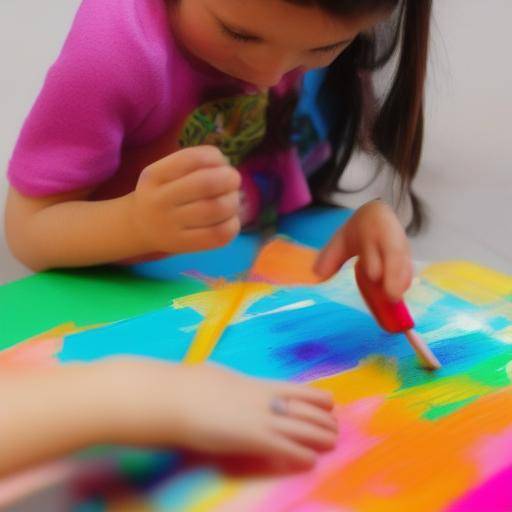
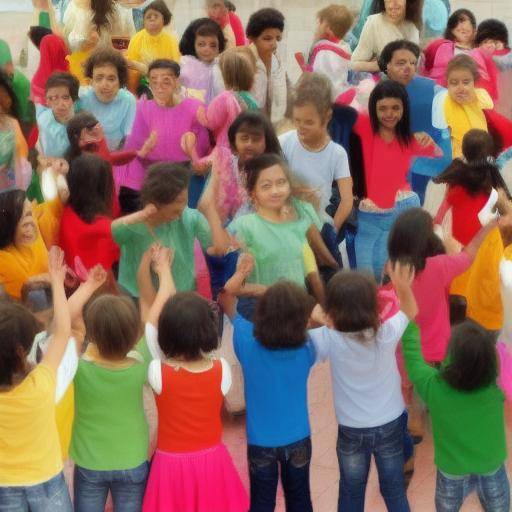
**4. What are some simple activities that can foster emotional well-being in children?**Activities such as free play, the practice of gratitude, drawing and guided meditation are examples of activities that can foster emotional well-being in children.
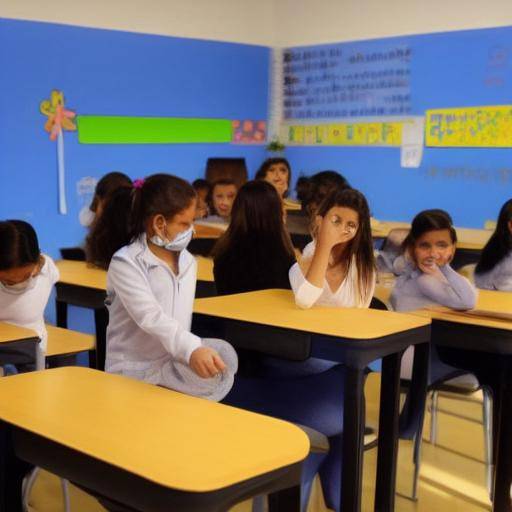
**5. What is the role of schools in promoting the emotional well-being of children?**Schools play a key role in promoting the emotional well-being of children by providing an environment of support, emotional education and school bullying prevention programmes.
**6. What is the importance of emotional authenticity in the development of children?**Emotional authenticity allows children to express their emotions in a genuine way, which helps them develop greater self-consciousness and establish more meaningful connections with others.
In conclusion, activities to promote emotional well-being in children have a significant impact on their comprehensive development. From its historical evolution to its practical applications and future trends, these activities offer significant benefits for the emotional well-being of children. It is essential that educators and parents recognize the importance of these practices and integrate them into the education and care of children.