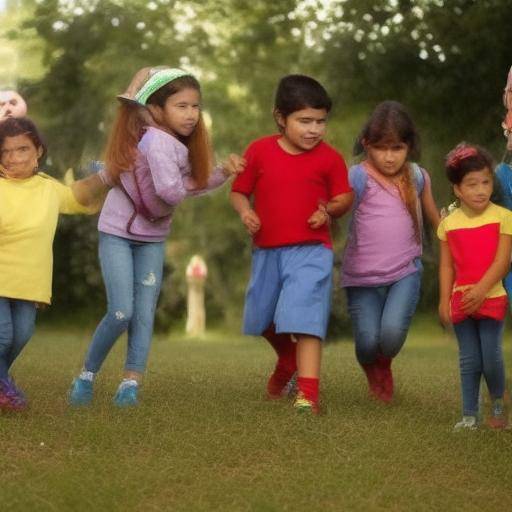
The importance of respect in our daily interactions is undeniable, and its teaching begins from an early age. Physical education, as a fundamental component of the integral development of students, offers a unique platform to inculcate values of respect, teamwork and empathy. In this article, we will explore how the teaching of respect through physical education can positively impact the personal growth of children. From the understanding of its origins to the exploration of effective strategies and methodologies, this document will provide a profound insight into the importance of this approach to the formation of respectful and socially conscious individuals.
Introduction
Physical education is not limited to movement and physical health, but also plays a crucial role in the formation of a deeper understanding of others and the development of important interpersonal skills. Teaching respect through physical education not only promotes the emotional and mental well-being of students, but also lays the foundation for a more cohesive, empathetic and respectful society. From the understanding of its origins to the exploration of effective strategies and methodologies, this document will provide a profound insight into the importance of this approach to the formation of respectful and socially conscious individuals.
History and Background
The teaching of respect through physical education has an important historical background that has evolved over time. From ancient civilizations that recognized the importance of the body and mind as a whole, to the emergence of the first organized forms of physical education in ancient Greece, respect has been a central value in the integral formation of individuals. During the Illustration and the Industrial Revolution, physical education experienced a significant resurgence, and with it, the need to incorporate social and ethical values into its teaching.
Analysis in Deep
The integration of respect into physical education entails many benefits, but it also poses significant challenges. Studies have shown that positive experiences in physical education can positively influence the perception that students have about themselves and others, fostering mutual respect and empathy. However, the effective implementation of these principles requires a refined understanding of group dynamics, cultural differences and individual challenges.
Comprehensive review
Various practical applications and case studies demonstrate the effectiveness of specific strategies to teach respect through physical education. These include promoting collaboration in sporting activities, peaceful conflict resolution and the value of diversity and inclusion. The active participation of teachers and the incorporation of concrete examples in the curriculum are essential to fostering an environment that promotes respect and mutual understanding.
Comparative analysis
The focus on teaching respect through physical education shares notable similarities with other values education programs, but its emphasis on movement, play and social interaction distinguishes it as a unique tool for the integral development of students. By comparing this strategy to other forms of values teaching, a complete picture arises of how physical education can contribute significantly to the formation of full and respectful individuals.
Practical Tips and Accessible Tips
Integrating concrete strategies to promote respect through physical education is critical to its effectiveness. Some best practices include the establishment of clear rules on respectful behavior in the classroom and in the playing field, as well as the implementation of activities that encourage reflection on the impact of individual actions on the well-being of the entire group. In addition, collaboration with other teachers and the community to strengthen these values outside the school environment amplifies their scope and relevance.
Industry ideas and Expert Reviews
Collecting and presenting opinions of experts in education, psychology and sports provides an enriching perspective on the teaching of respect through physical education. These ideas based on expertise and expertise add significant value to the practical and theoretical approach presented in this article, enriching the understanding of the importance and impact of these strategies.
Case Studies and Real Life Applications
Detailed case studies showing the practical application of strategies to teach respect through physical education include inspiring examples of communities, schools and programmes that have achieved significant results. These cases illustrate the viability and transformative impact of the effective implementation of physical education as a vehicle to promote respect and peaceful coexistence.
Future Trends and Predictions
The constant evolution of physical education and the growing awareness of the importance of comprehensive student development make this approach increasingly relevant. Technological innovations, new pedagogical strategies and the deepest understanding of learning psychology augur a promising future for the teaching of respect through physical education. However, as social and cultural dynamics evolve, it is also crucial to anticipate and address emerging challenges in this area.
Conclusion
The teaching of respect through physical education represents a fundamental contribution to the integral development of individuals. This approach not only prepares students for a healthy and active life, but also inculcates the essential values of respect, collaboration and empathy. Effective implementation of strategies to teach respect through physical education lays the foundation for a more harmonious and respectful society in the future.
Frequently asked questions
1. Why is it important to teach respect through physical education?
Physical education provides an optimal environment for teaching respect, as it involves social interactions, collaboration and teamwork. It also promotes understanding of diversity and fosters the development of emotional and social skills.
2. How can teachers integrate the teaching of respect into their physical education classes?
Teachers can integrate the teaching of respect through physical education by establishing clear standards, promoting inclusive activities and instilling values such as empathy and cooperation.
3. What impact does the teaching of respect on physical education have on the emotional well-being of students?
Teaching respect in physical education contributes significantly to the emotional well-being of students by fostering an environment of acceptance, trust and mutual support.
4. What are some practical examples of activities that promote respect in physical education?
Activities such as team games, collaborative exercises, discussions on the importance of mutual respect and peaceful conflict resolution are practical examples that promote respect for physical education.
5. How can parents support the teaching of respect through physical education at home?
Parents can support the teaching of respect through physical education by fostering the practice of respect and empathy at home, promoting active participation in physical activities and showing interest in their children's experiences during physical education classes.
6. Are there specific strategies to address respect in the context of competition and sports performance?
Yes, strategies such as promoting deportivity, recognizing teamwork and effort, promoting solidarity and managing competition in a constructive manner are critical to addressing respect in the context of sports competition.
Conclusion: Physical education is a crucial component in the integral formation of students, and its potential to teach respect is fundamental to the development of respectful and socially conscious individuals. In understanding the importance of this integration, both teachers and parents can work in harmony to foster an environment that promotes respect, collaboration and empathy. The extended benefits of this teaching transcend the school sphere, contributing to the formation of more inclusive and respectful societies in the future.