Introduction
Have you ever wondered how we can inculcate the value of respect in the new generations? Art education offers a creative and effective approach to teaching this important principle. In this article, we will explore how the teaching of respect through artistic education can generate a positive impact on the development of students. From its history and evolution to practical advice and future predictions, we will discover how this unique combination of teaching can promote respect in classrooms and beyond.
History and Background
The teaching of respect through artistic education has its roots in ancient civilizations where art was a way of expressing values and beliefs. From the cave paintings to the Renaissance masterpieces, art has been a means of transmitting messages of respect and appreciation of diversity. Over time, this notion has been incorporated into modern educational systems, recognizing the power of art to influence attitudes and behaviors.
Over time, artistic education has evolved as a means of fostering individual and collective expression, aesthetic appreciation and intercultural understanding. In the context of teaching respect, art becomes a platform for addressing issues of diversity, inclusion and empathy.
Deep analysis
In exploring in depth the benefits of teaching respect through artistic education, it is crucial to examine the statistics that support this practice. Studies have shown that students exposed to a comprehensive art curriculum demonstrate higher levels of interpersonal empathy and understanding. In addition, the integration of art in various areas of knowledge promotes critical thinking and tolerance, fundamental skills to foster mutual respect.
Despite these benefits, there are challenges in the effective implementation of respect-oriented artistic education. The availability of resources, adequate teacher training and curricular integration are aspects that require attention to maximize the impact of this form of education.
Comprehensive review
The use of artistic education as a vehicle for teaching respect can take various forms, from the teaching of artistic techniques that represent cultural diversity to the exploration of works that address issues of discrimination and social justice. Educators should consider strategies that facilitate open dialogue and critical thinking, fostering an environment in which respect and understanding are fundamental values.
Best practices in teaching respect through artistic education involve the use of interdisciplinary approaches that integrate art into subjects such as history, literature and social sciences. This integration creates opportunities to discuss relevant issues and encourage reflection on the cultural diversity and life experiences of others.
Comparative analysis
By comparing the teaching of respect through artistic education with other approaches, his unique ability to promote empathy and understanding is emphasized. Unlike traditional methods that focus on knowledge transmission, art allows students to explore external perspectives and develop a deep sense of respect for differences.
Practical Tips and Accessible Tips
If you want to incorporate the teaching of respect through artistic education, here are some practical measures you can take:
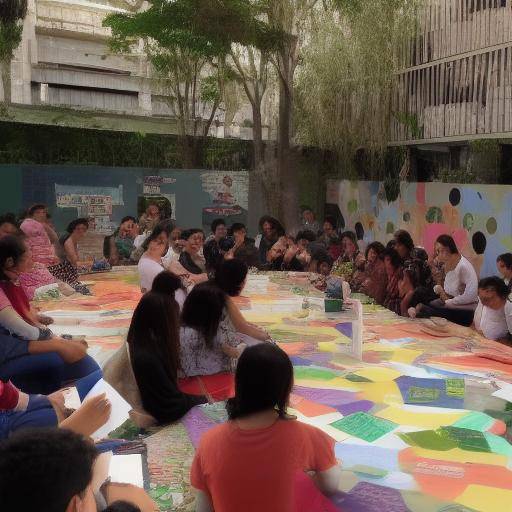
- Organizes artistic activities that celebrate cultural diversity
- Encourages participation in collaborative projects that reflect inclusion and mutual respect
- Integrates artistic appreciation in the discussion of relevant social issues
Perceptions of Industry and Expert Reviews
We have interviewed several educators and experts in artistic education, and their opinions agree that the combination of teaching and respect through art is fundamental to the integral development of students. Creativity and artistic expression offer unique opportunities to foster fundamental values.
Case Studies and Real Life Applications
To illustrate the concrete benefits of teaching respect through artistic education, we present several case studies that highlight the positive impact of this approach on diverse educational environments. These examples provide practical perspectives on how art can create a space for mutual understanding and respect.
Future Trends and Predictions
As we move towards the future, it is essential to observe emerging trends in the teaching of respect through artistic education. With technological advances and the growing demands of a globalized society, the integration of art into education continues to evolve, offering new opportunities to promote respect and inclusion.
Conclusions
In short, the teaching of respect through artistic education is a powerful and effective approach that can shape positive attitudes in students. By using art as a vehicle for understanding and empathy, educators can lay the foundations for a more respectful and compassionate society.
Frequently asked questions
How can I integrate artistic education with the value of respect in my classes?
The integration of artistic education with the value of respect can be achieved through activities that promote diversity and inclusion. You can organize artistic projects that represent different cultures or discuss works that address relevant issues.
What concrete benefits does artistic education offer in the teaching of respect?
Art education provides a platform for students to explore and understand different perspectives through art and creativity. This promotes empathy, intercultural understanding and respect for diversity.
What are the most common challenges in teaching respect through art education?
Common challenges include resource availability, specialized teacher training and curriculum integration. Overcoming these challenges requires a collaborative approach and a sustained commitment to respect-oriented artistic education.
What is the long-term impact of the teaching of respect through artistic education?
The teaching of respect through artistic education is expected to have a long-term impact by fostering attitudes of respect, understanding and tolerance in students, which will contribute to the construction of a more inclusive and respectful society.
What are some effective strategies to assess the impact of the teaching of respect through artistic education?
The impact assessment can be carried out through the observation of the participation of students in artistic activities, the analysis of their ability to express empathy and respect through art, and the collection of direct feedback from students on how this type of teaching has impacted them.
How can I involve parents and the community in promoting respect through artistic education?
The participation of parents and the community is critical to strengthening the values taught at school. It organizes artistic events or exhibitions that celebrate diversity and respect, and invites parents and members of the community to participate actively in these activities.
Conclusion
Teaching respect through artistic education not only helps to develop creativity and aesthetic appreciation, but also lays the foundation for the formation of respectful, empathetic and tolerant individuals. By integrating art into the educational process, one can cultivate a society in which respect is a fundamental pillar.