Introduction
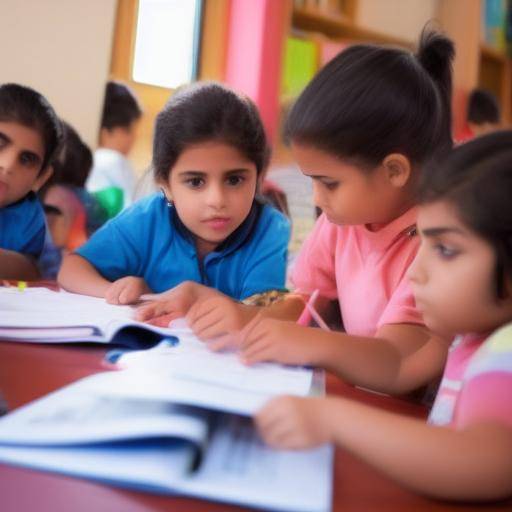
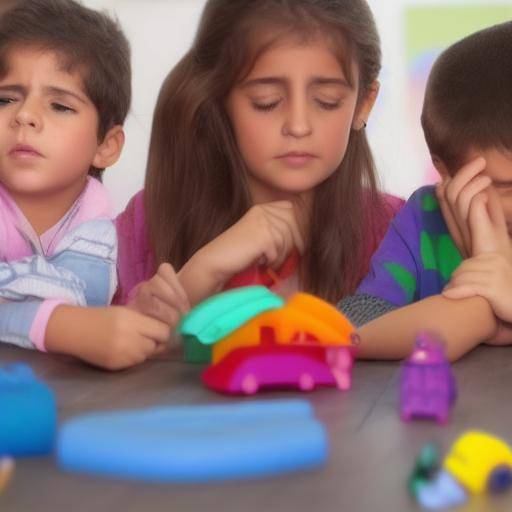
Conflict resolution is a crucial skill in life, and teaching children to handle these challenges is fundamental to their personal and social development. This article will take you to an informative journey on how to teach conflict resolution to children, highlighting the importance of healthy relationships and effective handling of disputes from an early age. Discover practical advice, current trends, and the perspectives of experts on this vital theme for the growth of the youngest.
History and Background
The teaching of conflict resolution to children has profound historical roots dating from ancient civilizations. From Egypt to Greece, passing through great philosophers like Socrates, the importance of managing constructive disagreements has been recognized and encouraged over time. Advancing modern times, child psychology and pedagogy have revolutionized the way we understand and address the development of social skills in children.
Analysis in Deep
The benefits of teaching conflict resolution to children are undeniable. According to studies, children who acquire these skills are more empathic, have better interpersonal relationships and have higher academic performance. On the other hand, there are challenges such as resistance to change and the need for models to follow. It is vital to analyze and implement strategies that address these challenges.
Comprehensive review
The practical implementation of pedagogical strategies that promote conflict resolution in children is an area of intense development. The traditional methodology can be effective in some circumstances, but the introduction of innovative approaches, such as game-based learning or collaborative problem solving, offers fresh and effective perspectives.
Comparative analysis
The teaching of conflict resolution skills in children can vary significantly according to age, cultural context and individual dynamics. It is crucial to understand these differences in order to adapt educational strategies significantly and effectively.
Practical Tips and Accessible Tips
In teaching conflict resolution to children, it was vital to adopt a practical and concrete approach. Providing concrete examples, effective communication techniques and strategies to manage conflicting emotions can be fundamental to your understanding and application.
Industry Perspectives and Expert Reviews
In the educational field, there are multiple approaches and views on how best to teach conflict resolution to children. Collecting the ideas and advice of experts in pedagogy, child psychology and related fields can significantly enrich teaching strategies.
Case Studies and Real Life Applications
Case studies that demonstrate the successful implementation of conflict resolution programmes in school and family settings are powerful testimonies of the positive impact that this can have on the lives of children and their environment. These real cases provide valuable lessons and practical examples that can inspire similar initiatives.
Future Trends and Predictions
Considering the changing social and technological landscape, it is essential to anticipate how the teaching of conflict resolution to children will evolve in the future. What challenges and opportunities do we face in the morning in this crucial area for the development of socio-emotional skills in childhood?
Conclusion
In short, teaching conflict resolution to children is a vital enterprise that requires understanding, patience and commitment. By adopting effective and adaptive strategies, it is possible to prepare future generations to face interpersonal challenges with confidence and empathy.
Frequently asked questions
How old can you start teaching conflict resolution to children?
The teaching of conflict resolution can begin as soon as children begin to interact with others, which usually occurs in early childhood. However, the way this skill is approached and taught will vary according to the stage of the child's cognitive and emotional development.
What are some effective strategies to teach conflict resolution to children?
Some effective strategies include modeling of positive behaviors, promoting empathy, using role-playing to practice conflict resolution and setting an environment that fosters open communication and mutual understanding.
How can parents and teachers get involved in teaching conflict resolution to children?
Parents and teachers may be involved in modeling positive behaviors, providing opportunities for conflict resolution skills, fostering empathy and providing guidance and support when disputes arise.
What is the importance of teaching conflict resolution to children in the digital age?
In the digital era, where language and social interaction have evolved, it is crucial to teach children to navigate and resolve conflicts in virtual environments. This includes understanding issues of cyberbullying, managing online gaming disputes and using technology as a tool for constructive conflict resolution.
How can the teaching of conflict resolution to children have a positive impact on society?
By equipping children with effective conflict-management skills, building more harmonious and empathic communities is encouraged. This can have a cumulative effect, contributing to more peaceful and cooperative societies in the future.
What is the role of formal education in teaching conflict resolution to children?
Formal education plays a critical role in providing a structured framework to teach conflict resolution skills, integrating specific programmes, training educators and fostering an environment that promotes understanding and mutual respect.
He recalled that the teaching of conflict resolution to children was a continuous journey that required constant attention and adaptation. Consider these strategies and tips while working to equip children with skills that will serve them throughout their lives. Good luck!