Introduction
The teaching of ethics and morals in the classroom is essential to inculcate fundamental values in students, preparing them to face the challenges of the real world. In effectively addressing these issues, educators play a crucial role in the formation of full and responsible individuals. In this article, we will explore various strategies to teach ethics and morals in the educational environment, along with their benefits, challenges and practical applications.
History and Background
The connection between education, ethics and morals dates back to ancient times, where philosophers like Plato and Aristotle discussed the importance of virtue and character in education. Throughout history, there have been several significant milestones in the evolution of the teaching of ethics and morals, from the inclusion of these topics in educational systems to the development of ethical and moral theories that have influenced modern pedagogy.
In the twentieth century, education in values became more relevant in the wake of global conflicts, promoting international initiatives to promote peace, equity and justice through the promotion of ethical values. The recognition of the importance of ethical and moral education was reflected in various international declarations and agreements, consolidating its place on the global educational agenda.
Detailed Analysis
Benefits of Teaching Ethics and Moral
The integration of ethics and morals in teaching has many benefits, including strengthening the character of students, promoting ethical decision-making, and developing a sense of social responsibility. These benefits contribute to the integral formation of individuals and their ability to contribute positively to society.
Current Challenges and Trends
Despite its importance, the teaching of ethics and morals also faces challenges, such as adaptation to diverse educational environments and the incorporation of ethical teachings into a digital context. The evolution of society and technology poses new challenges and opportunities for ethical education, which requires an innovative and adaptable response by educators.
Practical Experiences
The successful implementation of the teaching of ethics and morals is based on practical experiences that link abstract concepts with real situations. Through case studies and concrete examples, students can understand how to apply ethical principles in their daily lives, which helps them internalize the values taught.
Comprehensive review
Teaching Approaches
Various pedagogical approaches have emerged to teach ethics and morals in the classroom, from the use of moral dilemmas to the promotion of empathy and respect. Each approach has its own advantages and challenges, allowing educators to select strategies that adapt to the needs and characteristics of their students.
Multidisciplinary education
Ethical and moral education is not limited to a single discipline. Interaction between different areas of knowledge can enrich students' understanding of ethical and moral dilemmas, allowing them to be addressed from multidisciplinary perspectives.
Evaluation and monitoring
The evaluation of ethical and moral learning is not limited to written evidence, but involves the observation of students' ethical behavior and constructive feedback. Continuous and personalized follow-up is essential to fostering the development of ethical values and attitudes.
Comparative analysis
The teaching of ethics, education and morals share the common goal of forming whole and responsible individuals. While ethics focus on the principles governing human behaviour, education encompasses the transmission of knowledge, skills and values, and morality refers to rules and rules that guide behavior in a given society. Although they have different approaches, these concepts are interrelated, as ethical education contributes to the development of the morality of individuals, thereby strengthening social cohesion.
Practical Tips and Executable Recommendations
Curricular integration
The integration of the teaching of ethics and morals in the school curriculum allows for meaningful connections between academic content and the ethical training of students. This promotes a holistic understanding of values and their application in different contexts.
Participatory approach
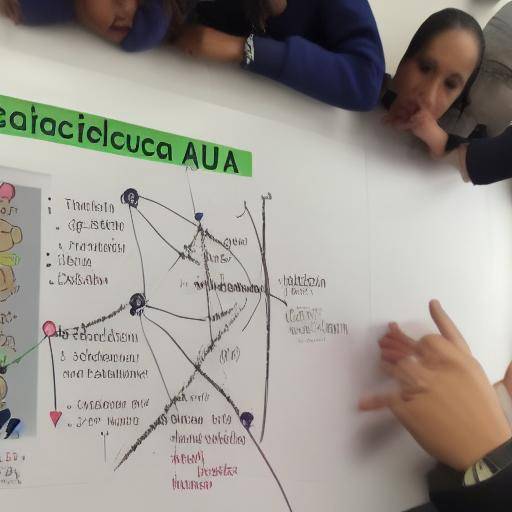
Promoting the active participation of students in ethical discussions and reasoned decision-making allows them to develop critical and reflective skills. Providing a safe space to express opinions and question established values contributes to the construction of an ethical educational community.
Behavior modeling
Educators play a key role as models to follow in the teaching of ethics and morals. Its ethical and moral behavior directly impacts on the perception and assimilation of values on the part of the students, so it is crucial that they coherently reflect the principles they promote.
Industry Perspectives and Expert Reviews
Current Considerations
As society evolves, ethical and moral education faces new challenges, such as cultural diversity, globalization and digital revolution. These changes require continuous reflection on how to adapt educational approaches to address emerging ethical and moral needs.
Impact on Long Term
The impact of sound ethical and moral education is manifested in the quality of citizenship and in the construction of just and equitable societies. In the long term, the ethical and moral formation of individuals contributes to the construction of a more sustainable and conscious world.
Case Studies and Practical Applications
Case 1: Ethics Literacy Programme
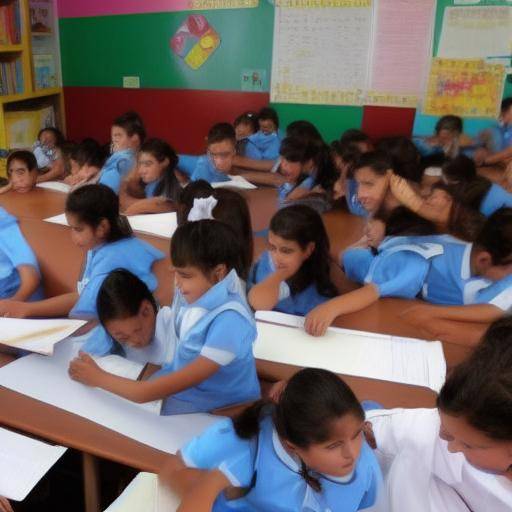
In a primary school, an ethical literacy programme was implemented that included stories and activities focused on values such as honesty, solidarity and respect. Significant improvements were observed in student behaviour, as well as an increase in empathy and ethical decision-making.
Case 2: Moral Mention Programme
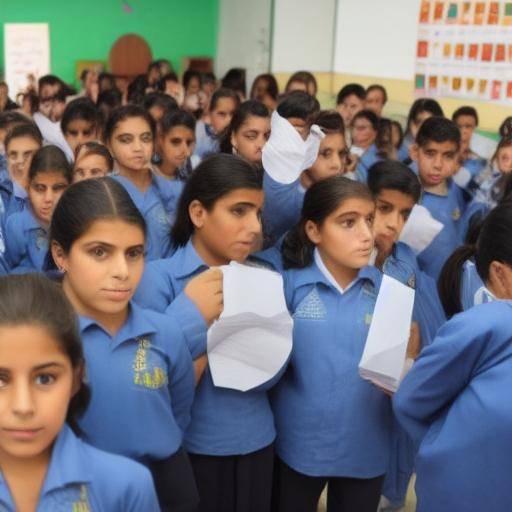
In a secondary institution, a programme of moral mentoring was established in which senior students advised and guided their peers in complex ethical and moral situations. This initiative strengthened the sense of responsibility and solidarity among students, promoting a more inclusive and ethical school environment.
Future Trends and Predictions
Ethical Skills Ethology
Increased emphasis is placed on the development of ethical skills such as conflict resolution, critical thinking and ethical decision-making in the curricula, preparing students to face ethical dilemmas in a constantly changing world.
Integration of Digital Ethics
In the face of the growing influence of technology in everyday life, we anticipate the integration of digital ethics in education, addressing issues such as responsible use of information, cyber-harassment and online privacy.
Conclusion
The teaching of ethics and morals in the classroom is a fundamental aspect of education, which influences the integral development of students and the construction of ethical and responsible societies. By integrating effective pedagogical strategies, educational institutions can contribute significantly to the formation of ethical individuals, capable of facing contemporary challenges with integrity and empathy.
Frequently asked questions
How can I integrate ethics teaching into traditionally non-related subjects?
You can integrate the teaching of ethics by analyzing ethical practical cases, encouraging reflection on relevant moral dilemmas.
What is the importance of ethics in education in the digital age?
Ethics in digital education is crucial to promoting responsible use of technology, addressing issues such as cyberbullying and raising awareness about privacy and online security.
What is the role of the teacher in teaching ethics and morals?
The teacher plays a fundamental role as a model to follow, encouraging critical thinking, promoting ethical dialogue and providing guidance in ethical decision-making.
How to evaluate students' ethical and moral learning effectively?
The evaluation of ethical and moral learning goes beyond written evidence and involves observation of behavior, participation in ethical discussions and constructive feedback.
How to address cultural diversity in the teaching of ethics and morals?
It is important to adopt an inclusive approach that recognizes and values different cultural perspectives, promoting tolerance and respect for diversity.
How to promote the practical application of the ethical values taught in the classroom?
Promoting the practical application of ethical values involves the integration of case studies, activities that promote empathy and participation in community projects that reflect such values.
In short, the teaching of ethics and morals in the classroom not only provides students with a framework for ethical decision-making, but also prepares them to be responsible and compassionate citizens in a diverse and constantly changing world. The effective integration of ethical and moral education in the educational environment promotes the integral development of individuals and contributes to the construction of ethical and just societies.
By providing a solid basis for ethical and moral education, educators play a fundamental role in the formation of future citizens, able to face ethical challenges with understanding, empathy and resilience.
He recalled that the commitment to teaching ethics and morals in the classroom not only impacted individual students, but also contributed to the creation of more ethical and conscious school environments and communities. With innovative pedagogical strategies and an integrated approach, teaching ethics and morals can positively transform educational experience and prepare future generations to be agents of ethical change in society.