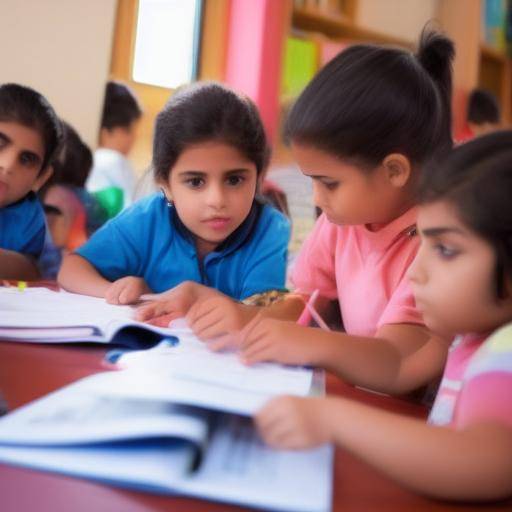
School is a crucial place to teach children not only academic knowledge, but also fundamental values such as respect for others. Inculcating respect for children from an early age is essential for promoting healthy relationships, harmonious coexistence and a more just society in the future. In this article, we will explore effective strategies to teach children to respect others at school, as well as their importance and impact on the integral development of minors.
Introduction
Respect is an essential value that forms the basis of interpersonal relationships in any environment, especially in school, where children spend a significant part of their day. Teaching children to respect others not only fosters harmony and empathy, but also contributes to their emotional, social and moral development. Through this article, you will discover practical advice and effective strategies to inculcate respect for children, promoting a healthy and enriching school environment.
History and Background
The concept of respect has been a fundamental pillar in different cultures and societies throughout history. From ancient civilizations to today, respect has been regarded as a transcendental value in human coexistence.
Origins of respect at school
The focus on teaching children to respect others at school has evolved over time. In the past, discipline was more rigid and authoritarian, with an emphasis on compliance with blind norms. However, in recent decades, the importance of fostering mutual respect as a basis for meaningful learning and the development of social skills has been recognized.
Important subjects in the teaching of respect
Throughout history, there have been significant milestones in promoting respect in the school environment. From the adoption of education programmes in values to the inclusion of respect as an integral part of the curriculum, each progress has helped to strengthen the importance of respect for the training of children.
Current development and future challenges
Today, teaching respect at school faces unique challenges, such as the impact of technology on social interactions, increasing cultural diversity and addressing school harassment. These challenges require innovative approaches and strategies that adapt to the changing demands of society.
Deep analysis
Benefits of teaching respect to children at school
Promoting respect in the school environment entails a wide range of benefits for children. From improving self-esteem to strengthening social skills, respect lays the foundation for positive relationships and harmonious coexistence.
Challenges and obstacles in the teaching of respect
While teaching respect at school is essential, it faces significant challenges. The influence of the media, cultural differences and lack of resources are just some of the obstacles that need to be addressed to ensure effective implementation.
Current trends and their impact
The inclusion of specific programmes to promote respect, the promotion of an inclusive school environment and collaboration with families are some of the current trends that are positively affecting the teaching of respect at school. These trends have a direct impact on the development of children and the construction of a more equitable society.
Comprehensive review
Practical applications in the classroom
Specific strategies to promote respect in the school environment include activities that promote empathy, open dialogue and the promotion of diversity. The integration of these approaches into the classroom is essential for the creation of an environment of mutual respect.
Best practices and effective approaches
Various methodologies and approaches have proved effective in teaching respect at school. From the modeling of positive behaviour by teachers to the implementation of mentoring programmes, there are numerous strategies that can enhance the development of respect for children.
Comparative analysis
Show vs. Fostering
There is an important distinction between teaching respect and fostering respect organically. While teaching involves imparting knowledge and regulations, fostering respect involves creating an environment in which respect flourishes naturally through authentic interactions and models to follow.
Child Perspective vs. Perspective Adult
Perception of respect can vary according to the stage of development and life experience. Understanding differences in the interpretation of respect by children and adults is crucial to foster mutual understanding and respectful relationships in the school environment.
Respect at school vs. Respect in society
Respect at school is a reflection of respect in society at large. Interactions in the school environment play a key role in the formation of respectful citizens who contribute to the well-being of the community in the future.
Practical Tips and Actions
Conflict resolution strategies
The teaching of conflict resolution skills in a respectful manner is essential in the development of respect for children. Mediation, dialogue and emotional management are crucial tools to foster an environment of respect at school.
Creation of an inclusive code of conduct
Involving students in creating a code of conduct that reflects their values and promotes mutual respect is an effective way of empowering children to assume responsibility for maintaining a respectful environment at school.
Integration of diversity in the curriculum
Incorporating gender, cultural and social diversity in the school curriculum is essential to promoting respect and understanding among students. Knowledge and appreciation of diversity are fundamental components of value education.
Industry Visions and Expert Reviews
Perspectives of educational leaders
Renowned educational leaders offer their perspectives on the importance of respect at school and share experiences on effective approaches to fostering a respectful and enriching environment for children.
Impact on the integral development of children
Child development experts discuss the fundamental role of respect in the formation of safe, empathic and socially competent children. Their views offer a holistic view of the impact of respect on the integral development of children.
Case Studies and Practical Applications
Value Education Programs: Case Study
The detailed analysis of education programmes in values that have been successful in promoting respect at school provides a practical view of their impact and effectiveness.
Inclusive practices in educational centres
Examining concrete examples of inclusive practices in educational institutions helps to understand how respect is reflected in the daily policies and actions of schools, generating a positive impact on the educational community.
Future Trends and Predictions
Integration of education in curriculum values
An increase in the integration of education in values, including respect, as a central part of the school curriculum, is expected to lead to a significant change in the way values are addressed in the school and respect among students is promoted.
Focus on Emotional Management and Healthy Relationships
The teaching of emotional skills and the promotion of healthy relationships are seen as key aspects in the formation of respect at school, anticipating a renewed emphasis on the integral development of students.
Conclusions and FAQs
Conclusions
Teaching children to respect others at school is a fundamental commitment that entails significant implications for their future development and the well-being of society as a whole. The promotion of respect in the school environment represents a fundamental pillar in the integral formation of children, generating a positive impact throughout their lives.
Frequently asked questions
1. Why is it important to teach children to respect others at school?
Respect is an essential value that contributes to harmonious relations, strengthens self-esteem and promotes empathy, fundamental aspects for the coexistence and integral development of children.
2. What are the effective strategies to inculcate respect for children at school?
The integration of educational programmes in values, the promotion of diversity, conflict resolution and the modeling of positive behaviours are effective strategies to promote respect at school.
3. How can parents and the community collaborate in promoting respect at school?
The active participation of parents and collaboration with the community in school initiatives are key aspects of strengthening the teaching of respect and promoting an environment of cooperation and understanding.
4. What impact does respect have on the emotional and social development of children?
Respect contributes to the development of social skills, strengthens self-esteem, promotes empathy and lays the foundation for healthy relationships, positively affecting the emotional and social well-being of children.
5. What are the current challenges in promoting respect at school?
The impact of technology on social interactions, cultural diversity and school harassment are some of the current challenges that require innovative approaches to promote respect in the school environment.
6. What is the role of teachers in teaching respect at school?
Teachers play a key role as models to follow, facilitators of conflict resolution and promoters of an inclusive environment that promotes mutual respect among students.
In short, the teaching of respect at school is a vital work that transcends the educational sphere. By promoting respect in the school environment, they lay the foundation for a more just, equitable and compassionate society, where children can develop healthy relationships and contribute positively to the world around them.