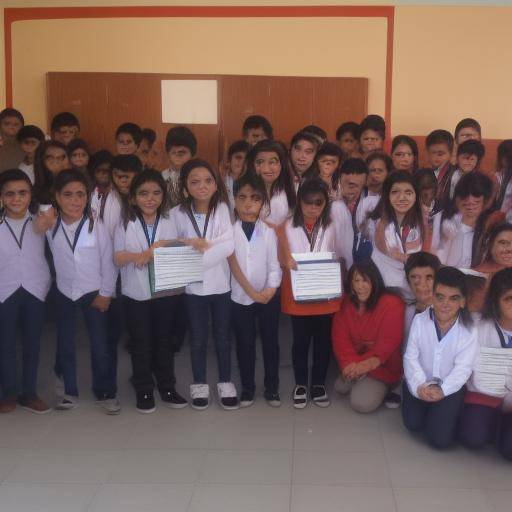
Adaptability is a crucial skill in the current world, characterized by constant change and evolution. In the educational environment, it is essential to teach strategies to develop this skill in students, preparing them to meet the challenges of the future effectively. In this article, we will thoroughly explore various strategies to teach classroom adaptability skills, providing detailed analysis, practical advice, and future predictions.
Introduction
Adaptability has become an essential attribute in the educational field. The ability to adapt to changing situations and to learn continuously is essential for personal and professional success. In the classroom, teachers play a crucial role in developing these skills in students, preparing them to face a constantly changing world.
In this article, we will explore effective strategies that educators can implement to teach adaptability skills in the classroom. From the understanding of the history and background of adaptability, to the in-depth analysis of its benefits, challenges, current trends, comparatives, practical advice, expert opinions, case studies and future predictions, this article will provide a comprehensive understanding of how to address the teaching of adaptability.
History and Background
Adaptability has been a relevant issue throughout history, but its importance has gained greater relevance in the modern era due to the accelerated transformation of the working and social environments. From the first records of the need to adapt to evolutionary changes to contemporary theories on resilience and flexibility, adaptability has been a constantly evolving concept.
Explore the historical background of adaptability provides a deeper understanding of its importance and can serve as a basis for developing effective classroom strategies. The history of adaptability opens the door to a detailed analysis of the different perspectives on its development and application.
Detailed Analysis
The in-depth analysis of adaptability in the educational context involves exploring the clear benefits of its development, the challenges that can arise in teaching it, and the current trends that influence its relevance. Investigating the impact of adaptability on the academic performance, employability and emotional well-being of students is crucial to understanding their importance and how to design effective strategies.
Comprehensive review
The comprehensive review of strategies to teach adaptability skills in the classroom involves exploring practical applications, case studies that demonstrate their effectiveness, best practices supported by experts, as well as a thorough evaluation of pros and cons. This approach provides educators and decision makers with an overview of the different methodologies and approaches available to achieve the successful development of classroom adaptability.
Comparative analysis
To compare and contrast different approaches and strategies to teach adaptability offers a clearer view of possible synergies among them, as well as their fundamental differences. Specific examples and specific scenarios will illustrate how these strategies can be applied in real educational situations.
Practical Tips and Accessible Advice
Practical advice and actionable advice provide educators with clear guidelines and specific examples of how to effectively implement strategies to teach adaptability in the classroom. The use of numbered lists and vineyards will provide a clear and easy-to-follow structure for successful implementation.
Industry Information and Expert Reviews
Gathering and presenting industry information and expert opinions on classroom adaptability teaching provides a valuable perspective on current trends and predictions for futility. Interviews with outstanding educators, leaders in educational psychology, and curriculum development professionals will offer a holistic view of adaptability in the classroom and its long-term implications.
Case Studies and Practical Applications
Detailed case studies showing practical applications of strategies to teach adaptability in the classroom allow the analysis of results and lessons learned. These examples from various industries and educational contexts will illustrate how strategies can be adapted and successful in different environments.
Future Trends and Predictions
Finally, discussing emerging trends related to adaptability in the classroom provides an advanced view of the directions that the teaching of this skill could take. Providing predictions based on current data and expert opinions gives educators a vital understanding to prepare for future challenges and opportunities in adaptive education.
Conclusions
In short, adaptability is a fundamental skill that must be cultivated in the classroom to prepare students for future challenges. Throughout this article, we have explored various strategies to teach adaptive skills, from their history and background to practical advice, expert opinions, and future predictions. By implementing these strategies, educators can play a vital role in developing adaptive skills in their students, providing them with the tools necessary to confront a changing world.
Frequently asked questions
What are the main strategies to teach adaptability in the classroom?
A: Effective strategies can include exposure to new situations, building resilience, developing creative thinking, and making decisions in changing environments.
How can educators evaluate the development of adaptability in their students?
A: The evaluation may include observation of the management of unexpected situations, analysis of the ability to adapt to new challenges, and feedback on flexibility in the approach of students.
What are the most common challenges in teaching adaptive skills?
A: Some common challenges include resistance to change, lack of exposure to challenging experiences, and difficulty measuring or evaluating adaptability objectively.
Are there differences in strategies to teach adaptability at different educational levels?
A: Although fundamental principles are similar, strategies can be adapted according to age, level of cognitive development, and specific demands of each educational stage.
How can adaptability in the classroom prepare students for future labor challenges?
A: Adaptability in the classroom provides students with the skills necessary to face changing working environments, the ability to learn continuously, and the willingness to assume new responsibilities and roles.
What is the role of parents and the community in developing adaptability in students?
A: The support of parents and the community is essential to consolidate the development of adaptability, as it provides opportunities for exposure to different experiences and coping models.
Conclusion
The teaching of strategies to develop adaptive skills in the classroom is a vital aspect of contemporary education. By understanding the history and background of adaptability, thoroughly analyzing their benefits and challenges, and exploring applicable strategies, educators can prepare students to face the world in constant change with confidence and resilience. We hope that this article will provide a clear and practical view of how to address the teaching of adaptability in the classroom, and creates a positive impact on educational practice.